Hormuz closure and US strikes on Iran threaten energy supplies
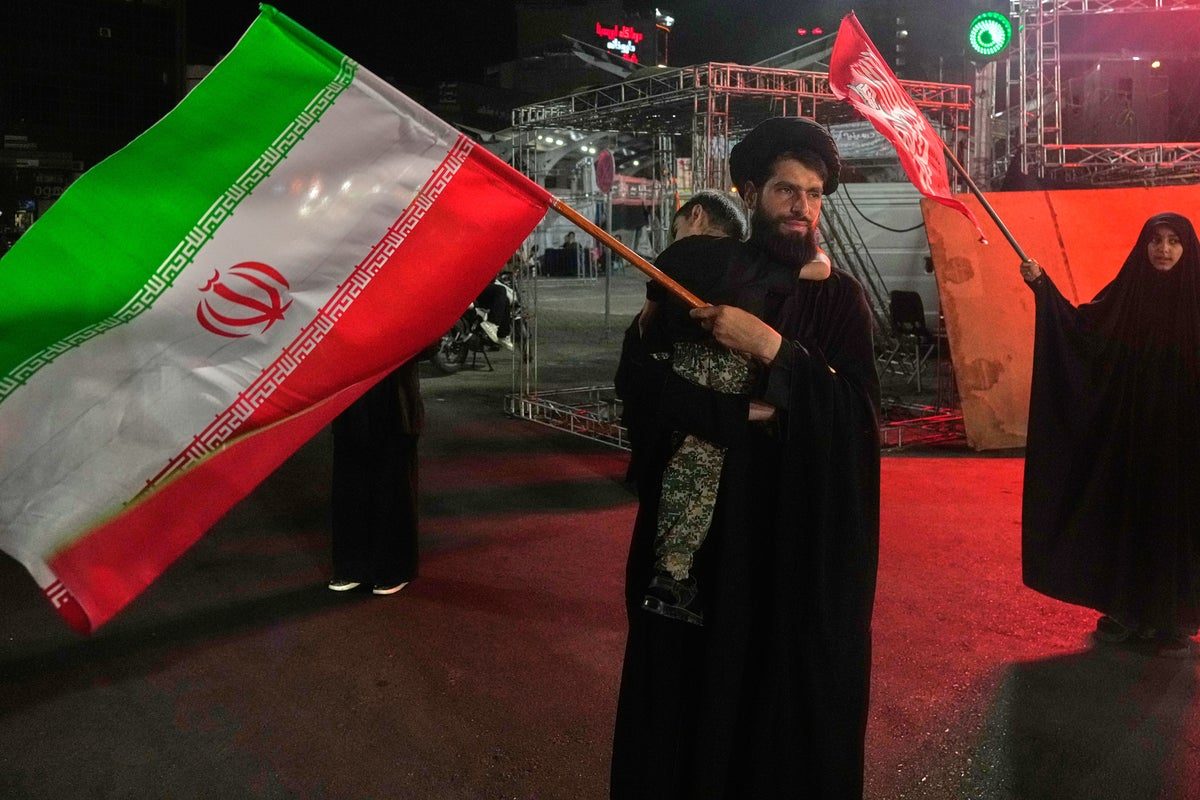
The United States has launched a third round of strikes against Iran after Tehran declared the Strait of Hormuz closed, threatening to reignite a global energy crisis that would severely disrupt European fuel supplies and commercial shipping.
U.S. forces have conducted a third round of military strikes against Iran. The escalation follows an Iranian attack on a civilian vessel in the Strait of Hormuz, a critical chokepoint for global energy. Iran’s Revolutionary Guards Corps claimed they fired warning shots at a ship using an “unauthorized route” and subsequently announced the waterway would remain closed until further notice.
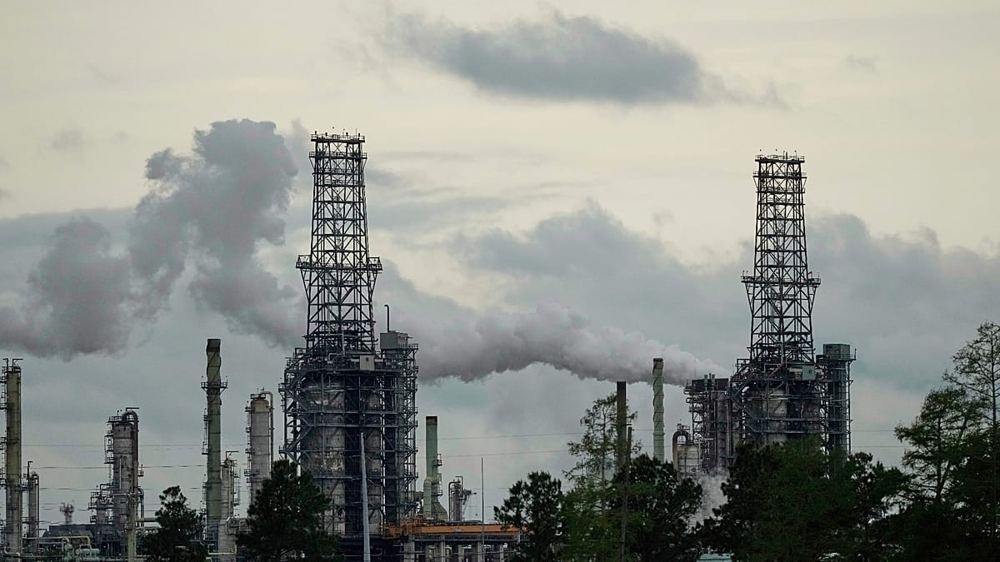
For European markets, the closure represents a direct threat to energy security. Before the war, roughly a fifth of all globally traded oil and natural gas passed through the strait. Iran’s previous control of the passage triggered a global energy crisis. While prices have fallen sharply from wartime peaks of $120 a barrel, renewed military conflict and the targeting of commercial vessels risk another sudden supply shock.
The immediate trigger for the latest U.S. strikes was significant damage to a Cyprus-flagged container ship, which left a civilian crew member missing. U.S. Central Command stated the strikes aim to degrade Iran’s ability to target commercial ships freely transiting the area. Washington has urged mariners to use a southern route through Omani territorial waters to avoid Iranian aggression.
The violence effectively derails the interim ceasefire agreement reached last month. Senior U.S. officials had stated that further negotiations to end the war required the strait to be secure, and they had expected Tehran to publicly affirm its openness. Instead, Iranian Foreign Minister Abbas Araghchi accused Washington of violating the deal by revoking waivers that allowed Iran to sell crude oil in U.S. dollars. “Reality check: There can only be mutual compliance,” Araghchi wrote on X.
The conflict is expanding regionally. Iran retaliated for previous U.S. strikes by targeting Bahrain, Jordan, Kuwait, and Qatar, while unclaimed strikes inside Iran suggest Gulf Arab states may be joining the fray. Iranian health officials reported at least 17 dead and 115 wounded over two days of strikes. Meanwhile, Iran’s new supreme leader, Mojtaba Khamenei, used his first public statement since his father's funeral to vow revenge, stating it “is the will of our nation and must certainly be carried out.”
President Donald Trump has declared the ceasefire over but said negotiations would continue. He threatened further military action on social media, claiming 1,000 missiles are “Locked and Loaded and aimed at the Islamic Republic of Iran” in response to alleged assassination threats against him. U.S. officials have attributed the recent breakdown to a rogue faction of Iranian hard-liners, though Tehran insists its government remains unified.