France closes major Paris attractions early as severe heatwave disrupts summer tourism
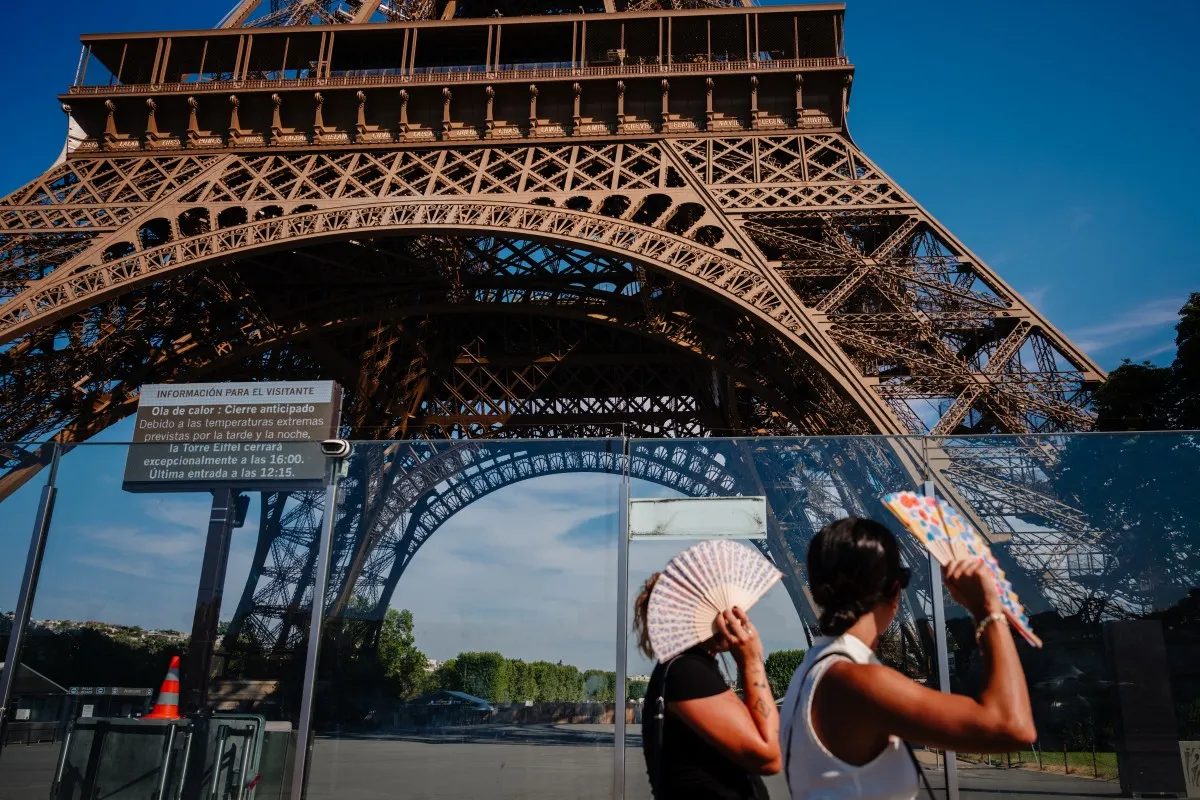
Record-breaking temperatures have forced the early closure of Paris’s most visited cultural sites and disrupted major sporting events, highlighting the escalating economic and public health toll of recurrent extreme weather on Europe’s largest tourist destination.
France has been forced to shutter its most iconic cultural institutions early and alter major sporting events as a severe heatwave grips the country. The Eiffel Tower, the Louvre, and the Musee d'Orsay are all implementing unprecedented early closures to protect visitors and staff from extreme temperatures.
These disruptions strike a significant blow to the summer tourism season, a vital component of the French economy. The 324-metre Eiffel Tower, which normally operates past midnight during the high season and draws seven million visitors annually, will close at 4 pm this weekend. Similarly, the world’s most visited museum, the Louvre, will shut its doors at 4 pm from Friday through Monday, while the Musee d'Orsay will close at 5 pm from Saturday until Wednesday.
The extreme weather has forced historic changes to major national events, with organisers of the Tour de France shortening Sunday’s 185.5-kilometre stage by 30 kilometres due to the intense heat. Belgian sprinter Tim Merlier, who won Saturday's stage, welcomed the decision to cut the hilly loop, noting that "it was always above 35C degrees" and describing the race as "definitely a fight to have water, ice and drinks between the (support) cars."
Escalating public health and safety risks
Beyond the immediate economic disruptions, the heatwave is inflicting a heavy toll on public health and national safety across the country. Meteo-France placed 24 departments, home to 22.2 million people, under its maximum alert level on Saturday, with another 59 of the 96 mainland departments on orange warning. This marks the third heatwave since May, following a record-shattering event in June that resulted in more than 2,000 excess deaths.
Dry conditions have also triggered a surge in wildfires, which have already scorched twice as much land in France this year compared to the same period last year. Consequently, numerous towns have cancelled their traditional Bastille Day fireworks displays to prevent further fire risks ahead of the July 14 public holiday. Highlighting that nine out of ten fires stem from human activity, President Emmanuel Macron urged the public to remain vigilant.
Writing on X, Macron warned that "a single second of inattention can put families at risk, endanger those who protect us and destroy our countryside." The recurring extreme weather, which scientists link to man-made climate change, has drawn sharp criticism toward the government for being unprepared. With high temperatures forecast to persist until Bastille Day, the strain on infrastructure underscores the mounting long-term costs of climate adaptation for European economies.