England reach World Cup semi-finals after Bellingham defeats Norway
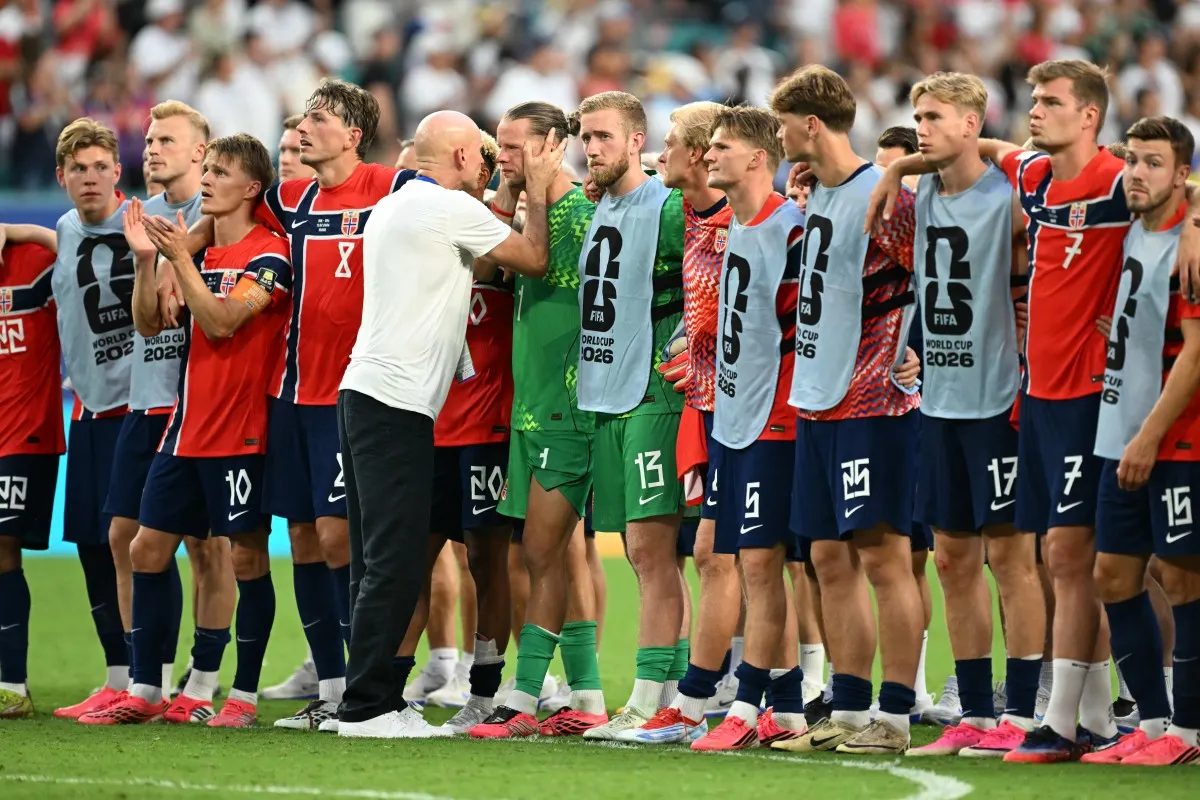
Jude Bellingham scored twice to secure an extra-time victory over Norway in Miami, sending England into the World Cup semi-finals and setting up a clash with Argentina or Switzerland.
England advanced to the World Cup semi-finals after Jude Bellingham scored twice to secure an extra-time victory against Norway in Miami. They will face either Argentina or Switzerland on Wednesday, with a place in their first final in six decades on the line.
The match, played in sweltering conditions exceeding 30 degrees Celsius, began with Norway taking a surprise lead through Andreas Schjelderup. It marked the first time Norway had reached this stage of the competition, and they nearly doubled their advantage before Bellingham equalised just before half-time with a left-footed finish.
Norway continued to press in the second half, but a Torbjorn Heggem goal was disallowed after VAR ruled that Erling Haaland fouled his Manchester City teammate Elliott Anderson. Kristoffer Ajer also struck the crossbar as both squads battled intense humidity and physical exhaustion.
The deadlock was finally broken in extra-time when Sevilla goalkeeper Orjan Nyland spilled a long-range shot from substitute Morgan Rogers. Bellingham capitalized on the error to net his sixth tournament goal, completing his double and securing the win.
While the result is a major sporting milestone for England, manager Thomas Tuchel was highly critical of his squad's execution. Tuchel described the performance as sloppy and technically flawed, admitting his side was fortunate to progress despite making numerous mistakes.
The defeat marks a significant downturn for Norway, ending Haaland’s remarkable streak of scoring in 14 consecutive competitive matches for his national team. The exhausted striker was substituted during the second half of extra-time, leaving his side unable to find an equalizer.
Tuchel had introduced Bukayo Saka and Eberechi Eze at half-time for Noni Madueke and an ailing Declan Rice, a move that temporarily left England vulnerable in midfield. However, England successfully reversed their historical inability to win elimination matches after conceding the opening goal, a streak that had persisted since the 1966 final.