Tusk links Volhynia history to Ukraine's EU accession
Poland’s political leaders have united to demand Ukraine confront its WWII history before joining the EU, deepening a diplomatic rift over the Volhynia massacres.
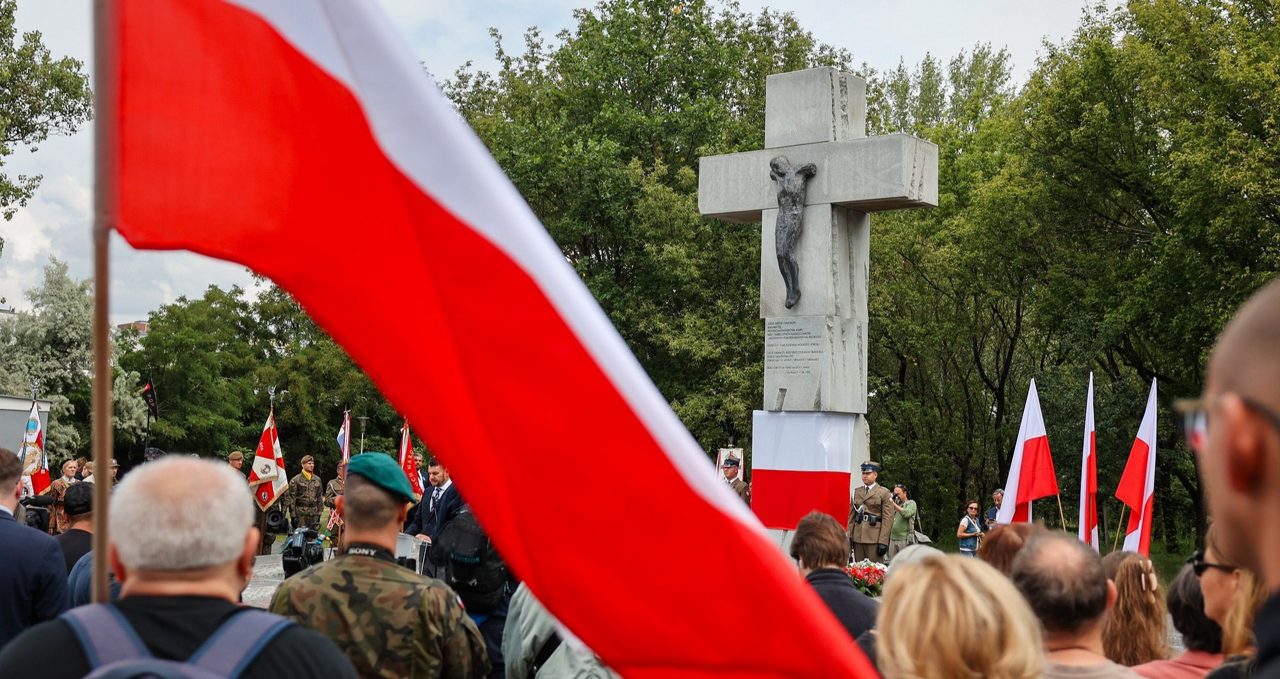
Poland marked its annual day of remembrance for the Volhynia massacres with a stark warning from Prime Minister Donald Tusk that Ukraine must confront the truth about the atrocities if it hopes to join the European Union. Commemorating the 1943 "Bloody Sunday" killings, Tusk announced plans for a Wall of Remembrance in Warsaw to bear the names of identified victims.
The ceremonies carried acute diplomatic weight this year following President Volodymyr Zelensky’s decision to name a military unit after the "heroes of the Ukrainian Insurgent Army (UPA)". The UPA led the wartime massacres, in which around 100,000 Poles were slaughtered. In retaliation, Polish President Karol Nawrocki stripped Zelensky of the Order of the White Eagle, Poland’s highest honour.
Speaking in the border village of Radruż, Nawrocki condemned the "evil ideology" of Ukrainian nationalist leader Stepan Bandera. However, he stressed that Poland is "not condemning the entire Ukrainian nation" and paid tribute to the "righteous Ukrainians" who saved Polish lives. "We refuse to allow the 120,000 Poles, civilians, women and children, brutally murdered by Ukrainian nationalists to be forgotten," Nawrocki declared.
Despite their usual political rivalries, Nawrocki and Tusk delivered aligned messages on Saturday, signalling a unified national stance. Tusk emphasised that Kyiv must continue to permit the exhumation of victims on Ukrainian territory. "Anyone who wishes to join this community must be ready for this truth," the prime minister said, directly linking historical accountability to EU accession.
The national-conservative opposition Law and Justice (PiS) party went further by submitting a parliamentary resolution to formally block Ukraine’s EU bid. PiS deputy leader Przemysław Czarnek declared that the bloc "cannot have among its members a country that openly invokes the worst possible legacy" as long as Kyiv continues to "glorify criminals".
Kyiv has previously rejected Poland’s classification of the massacres as genocide, arguing the label "flies in the face of the spirit of good neighbourly relations". While Polish and Ukrainian media recently circulated a fabricated quote from Deputy Prime Minister Władysław Kosiniak-Kamysz stating "With Bandera, Ukraine will not enter the EU," he never actually spoke those words.