EU debates legal path for Israeli settlement trade curbs
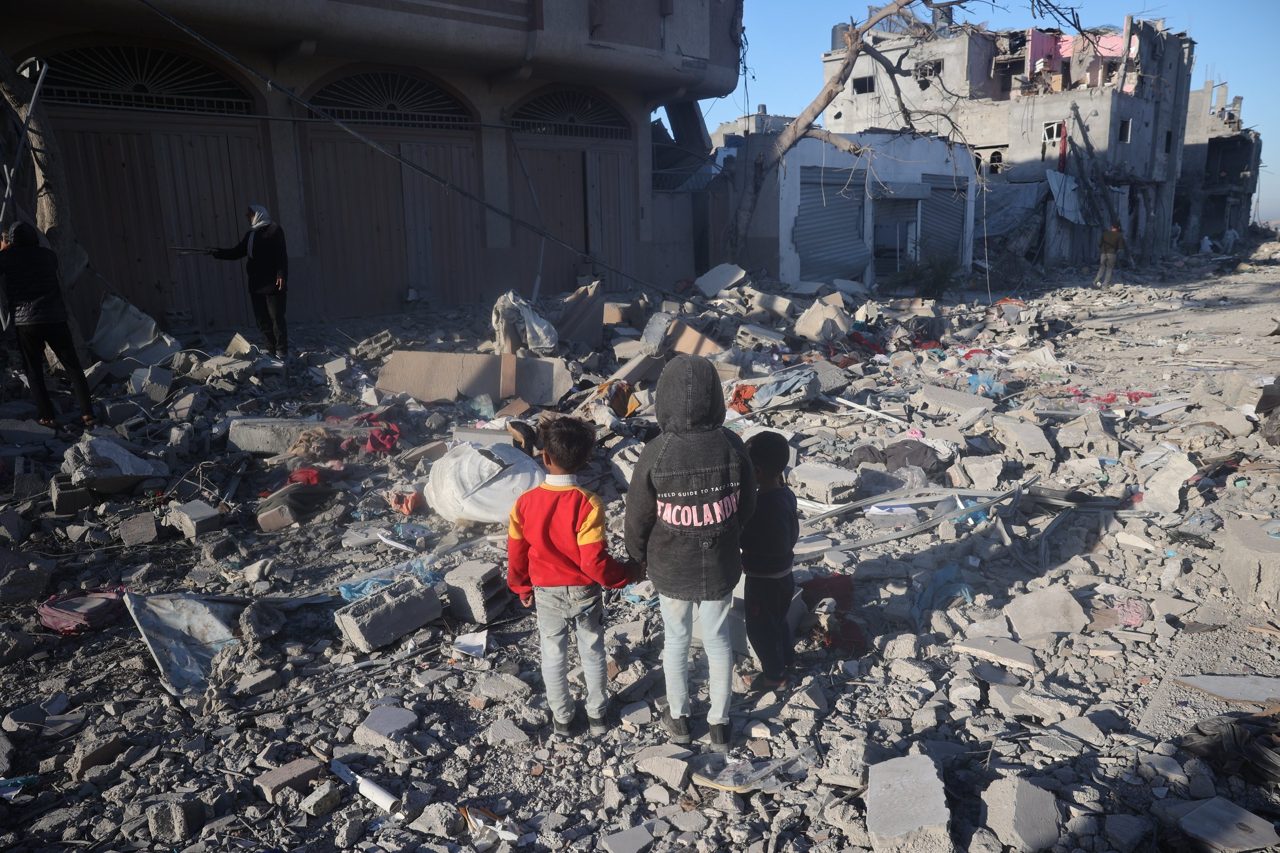
EU foreign ministers will debate restricting trade with Israeli settlements on Monday, but a dispute over voting rules threatens to stall economic measures that could reshape the bloc's Middle East policy.
EU foreign affairs ministers will meet on Monday to discuss options for restricting trade with illegal Israeli settlements in the West Bank. The European Commission has outlined three main proposals for consideration: implementing an import-licensing regime, imposing higher tariffs, or enacting a complete ban on settlement imports.
At the center of the debate is the legal mechanism the bloc will use to implement any restrictions. Under normal circumstances, trade measures can be passed by a qualified majority vote, allowing them to move forward even if a few member states object. This route would give the European Commission a practical path to penalize settlement goods.
Instead, the Commission intends to pursue these curbs through foreign policy channels, a route that requires unanimous backing from all 27 member states. This approach aligns with the preferences of countries such as Germany. However, relying on unanimity for Middle East policy has repeatedly proven impossible in the past.
The procedural choice effectively delays action. “Everyone knows nothing will happen, and we are running out of time,” an EU diplomat said. No decisions are expected at Monday's meeting. The next realistic window for a proposal to be discussed or voted on is 12 October, placing any potential EU action just two weeks before Israel’s elections on 27 October.
For businesses, the lack of clarity creates an extended period of uncertainty regarding supply chains linked to the West Bank. Monday's broader agenda reflects these ongoing risks, covering the fragile ceasefire in Lebanon and the humanitarian situation in Gaza. EU and Gulf country officials will also hold a separate lunchtime meeting to discuss regional security and cooperation.
The EU’s financial role in the region is also under scrutiny. Palestinian Authority Prime Minister Mohammad Mustafa is in Brussels this week, and the Commission is expected to announce additional financial pledges for the reconstruction of Gaza. The EU is the largest donor to Palestine, but there has been limited transparency about how this funding is spent and where it ends up.
The week's trade agenda extends beyond the Middle East. On Wednesday, Indian ministers and Commission officials will gather in Brussels for the EU-India Trade and Technology Council. That meeting will focus on deepening bilateral trade and advancing World Trade Organization reform, highlighting a strategic pivot toward Asian markets while Middle East trade policy remains gridlocked.