Burnham prepares cost-of-living package as next UK PM
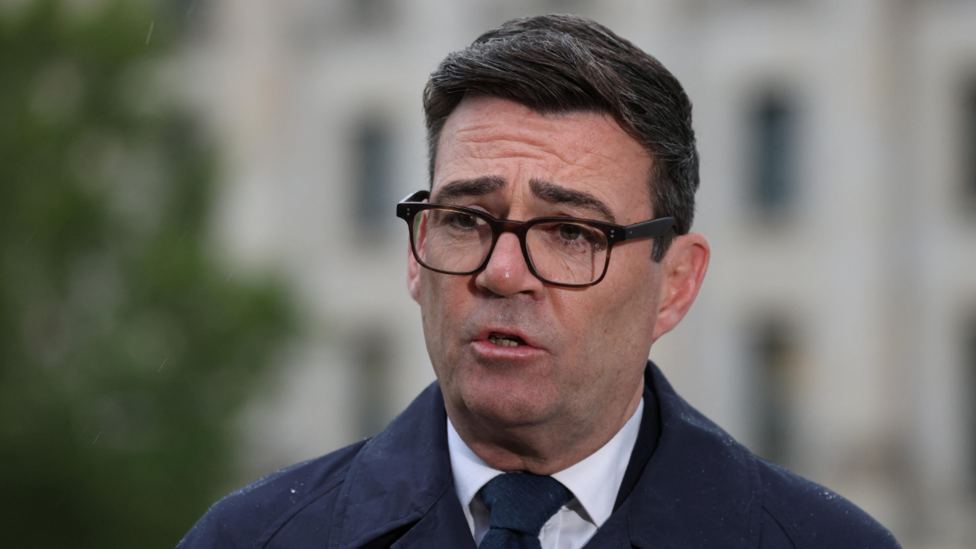
Andy Burnham is preparing immediate cost-of-living relief and greater state control of utilities as he becomes UK prime minister, a shift drawing market warnings from the opposition.
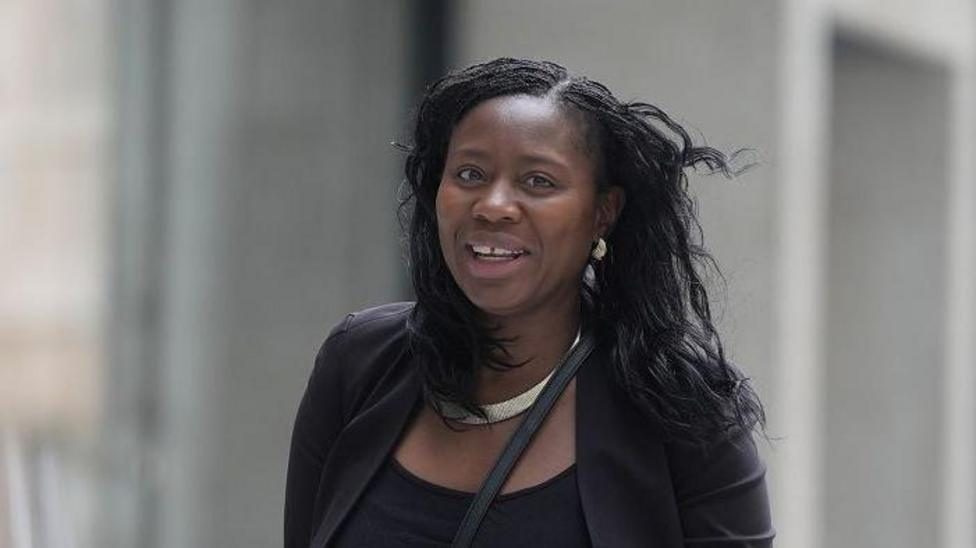
Andy Burnham is set to be declared Labour leader next week and will take office as UK prime minister on 20 July, replacing Sir Keir Starmer after the vast majority of Labour MPs nominated him. His immediate priority will be "dealing with the cost of living in the short term," according to key adviser Miatta Fahnbulleh.
Fahnbulleh, a former civil servant and think tank boss who resigned as a junior communities minister following Labour's poor local election results in May, has been drawing up policy plans for the transition. She signalled that an early support package could be unveiled within the first few weeks, specifically targeting energy bills and transport. The explicit goal, she said, is to ensure people "at the bottom" have "more money in their pockets."
For businesses, Burnham has indicated there is "some room" to cut business rates for certain high street shops. However, his broader approach to essential services points toward greater state involvement. He has stated a desire for "greater public control" of the water and energy sectors. This would emulate the franchise model he implemented for buses in Greater Manchester, where private operators bid to run services under strict public terms.
Fahnbulleh argued that essentials like housing and energy remain too expensive and must be made more affordable "through public control." For investors and European utility companies with British operations, this signals a potential regulatory shift away from pure private market models toward state-directed pricing and service requirements.
The Conservative opposition has moved to frame this economic approach as a risk to financial stability. Shadow chancellor Sir Mel Stride argued that the outgoing prime minister damaged the economy, adding that "the markets feel things could get even worse under Andy Burnham." Stride characterised the incoming prime minister as a leader "who's clearly going to lean more into tax."
Stride also suggested Burnham will be constrained by his own party, claiming he will inherit Labour backbenchers "who are not capable of taking the tough decisions to get, for example, on top of the welfare bill." Fahnbulleh declined to detail specific tax or spending measures, noting that final policy decisions will rest with Burnham and his chancellor.