UK eyes donation caps to block US-style billionaire political influence
British lawmakers are pushing to cap political donations and ban crypto funding to prevent tech billionaires from buying the deregulation and low-tax agenda already seen in the United States.
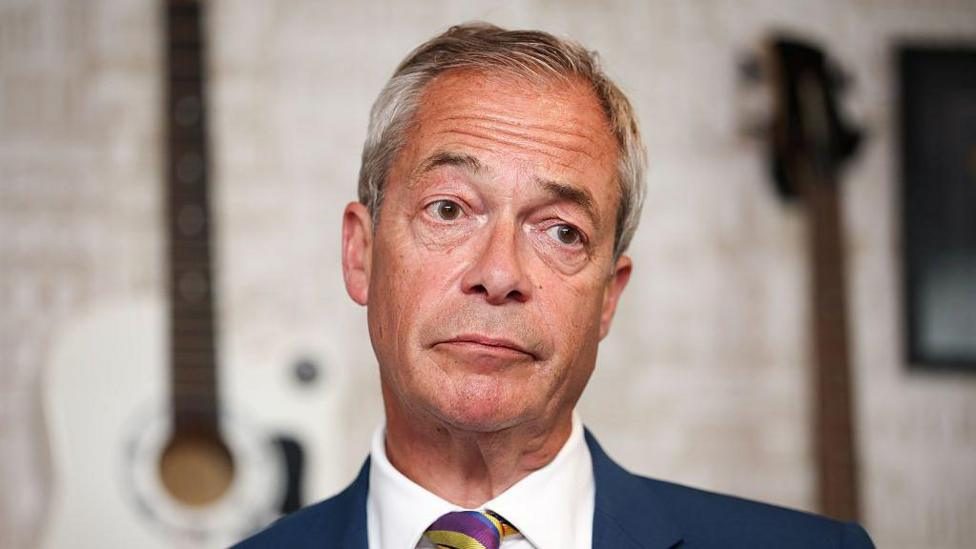
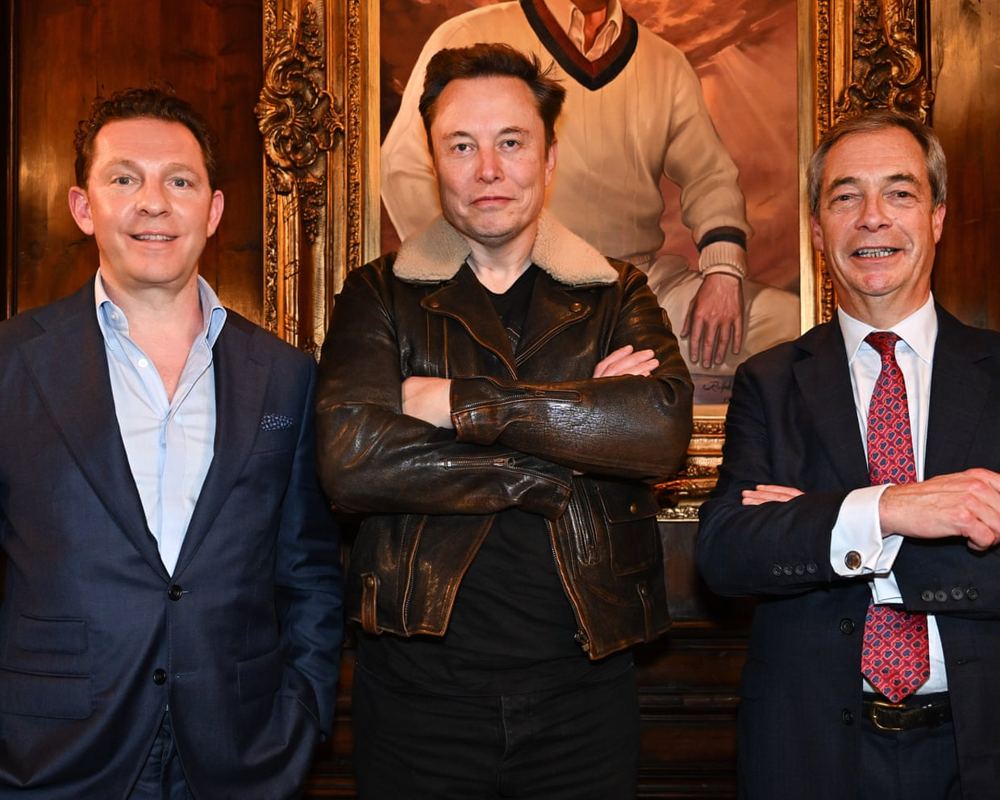
Labour’s representation of the people bill returns to the House of Commons this week, facing amendments designed to strictly limit the financial power of mega-donors. The proposed changes arrive as intense scrutiny falls on the financing of Reform UK and the overt backing of its politicians by foreign tech billionaires like Elon Musk.
For European neighbours and investors, the underlying debate centres on whether Britain will pivot toward a "Singapore-on-Thames" model of minimal taxation and deregulation. A new class of global billionaires, emboldened by the deregulatory wins secured during Donald Trump’s presidency, views the UK as a favourable environment to sweep away regulatory impediments. The Labour government has already raised capital gains tax, but mega-donors are actively seeking to reverse such business constraints.
The sheer scale of this financial shift is quantified in recent research. Transparency International found that donations of £1m or more made up just 1% of private political funding in 2015. By 2024, these super-donor contributions accounted for more than a third of all private money, making parties dangerously reliant on a handful of individuals.
To counter this, Labour backbenchers are urging Keir Starmer to strengthen his bill before handing power to Andy Burnham. Liam Byrne, chair of the business and trade select committee, is pushing to make a temporary ban on crypto donations permanent. Given cryptocurrency's utility for shifting large sums anonymously and its frequent proximity to financial irregularities, a permanent ban would close a major funding loophole.
Other amendments target the mechanics of political spending. Anneliese Dodds wants to cut overall campaign spending limits by about a third. Meanwhile, Yuan Yang is calling for stricter scrutiny of how newly formed parties raise their initial funds, directly targeting entities like Reform UK.
The most consequential economic proposal is a £100,000 annual ceiling on individual donations, put forward by Stella Creasy and supported by the Institute for Public Policy Research (IPPR). The thinktank highlights a growing nexus between Silicon Valley wealth and nativist politics, warning of "new alliances between new, extractive forms of capital and a paradoxically global network of ethnonationalists, hostile to the norms of democratic politics."
Despite polling showing that 84% of the public believe that wealthy individuals use donations to further their personal interests, the £100,000 cap faces resistance. MPs fear it would collapse party funding structures and necessitate unpopular state funding, though systems in France and Germany prove this model is workable. If Starmer does not act, the incoming prime minister will inherit a political finance system highly vulnerable to foreign economic capture.