Chinese AI lab Zhipu clashes with Beijing over open model access
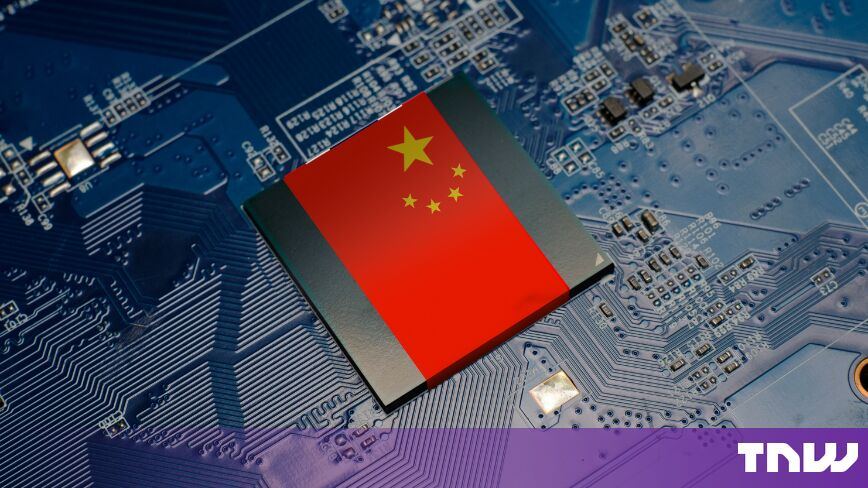
Zhipu’s founder is lobbying against potential Beijing curbs on open-source AI exports, a debate that will determine whether European firms retain access to affordable frontier models.
Zhipu founder Tang Jie has argued against restricting frontier AI, pushing back against his own government just after reports emerged that Beijing is weighing limits on overseas access to advanced open-source models.
In an internal memo, Tang made the case that real safety comes from broad participation and oversight rather than technological barriers. Zhipu backed this stance by releasing its GLM-5.2 model under an open-source licence, allowing anyone to download and commercialise it for free.
The timing is awkward for the company. Reuters reported that Chinese officials are considering whether the country gave away too much of a strategic advantage by keeping its top models open. Tang is now arguing against the very restrictions his capital is most likely to implement.
For European businesses and researchers, this debate has direct consequences. The continent lacks its own frontier AI laboratories and faces tight export controls from Washington. Cheap, capable Chinese models have become a critical workaround. Zhipu itself has raised billions of dollars, listed in Hong Kong, and drawn heavy demand from investors betting Chinese AI will fill the gap left by restricted US technology.
Tang’s defence of open-source AI mirrors arguments made by Western cybersecurity experts. When Washington restricted a frontier model, 100 experts signed an open letter arguing the ban hurt defenders more than attackers. Their logic is that malicious actors will obtain capable models regardless, while security researchers are locked out.
Critics of the open-source approach counter that an open-weight model cannot be recalled or patched once downloaded. Publishing frontier capabilities gives immediate access to bad actors who can strip out safety guardrails with a modest budget to build bioweapons or industrial-scale cyberattacks.
Both sides describe real risks, and there is no clean empirical answer yet. But the commercial stakes for Europe are immediate. If Beijing restricts its open models, the world’s main source of free frontier-class AI will close at the exact same time as America’s. European firms would be left relying solely on expensive, closed commercial APIs from a shrinking pool of providers.