Pink Floyd name dispute puts EMI and CBS record deals in spotlight
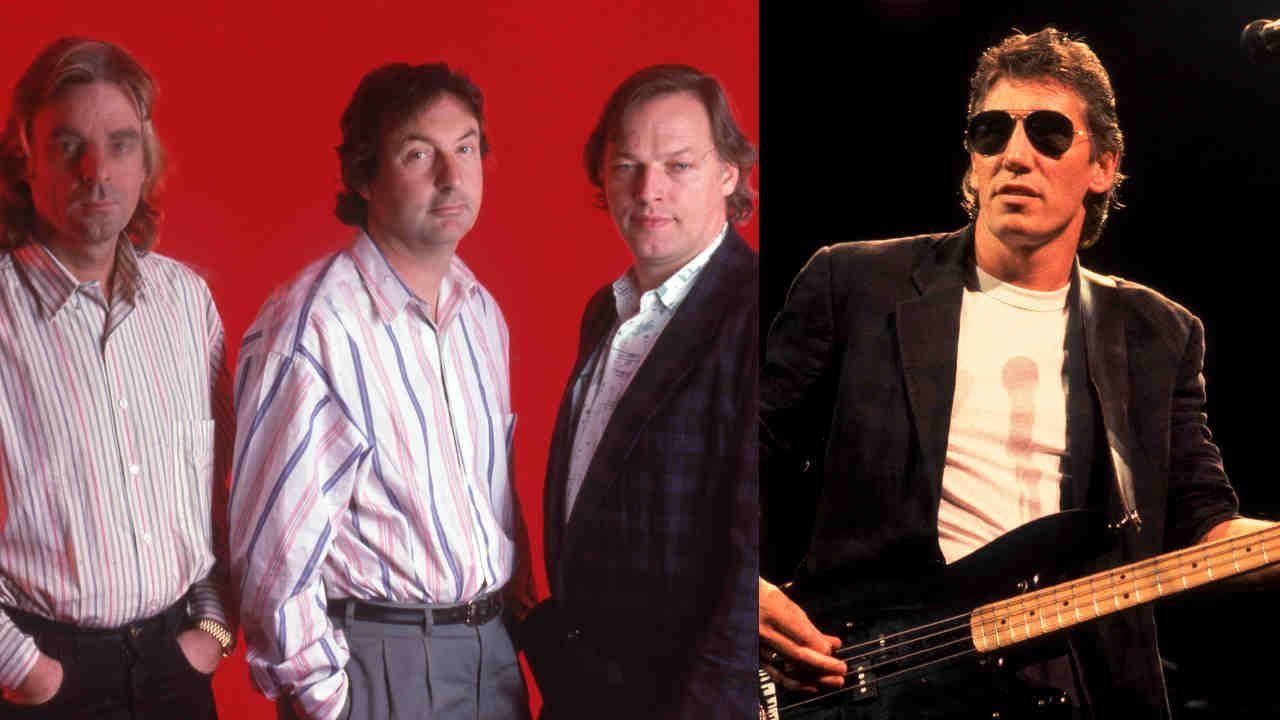
Roger Waters has launched a High Court action to dissolve Pink Floyd, exposing the complex financial mechanisms record labels use to protect investments in valuable band trademarks.
Roger Waters has initiated High Court proceedings to officially dissolve Pink Floyd, declaring the group a "spent force, creatively," following his departure in December 1985. The legal action, commenced in late October, marks the first public confirmation of the internal rift and Waters's exit from the band.
David Gilmour and Nick Mason are refusing to disband, arguing that no single member can unilaterally end the partnership. They are currently recording a new album with keyboardist Rick Wright and producer Bob Ezrin, setting the stage for a major confrontation over a brand that generates millions of pounds.
The dispute has significant implications for the record industry, directly involving EMI in London and CBS in New York. When the band signed a new contract with the labels in 1982, they included a "group artist rider," a mechanism designed to adjust advance payments based on which combinations of band members were recording.
Waters disclosed that this contractual clause was originally drafted as a workaround to hide the fact that Wright had been fired before the release of 1979's The Wall. The document outlined various financial scenarios for different lineups, a practice labels use to shield themselves from risk when a group's composition changes.
Waters, who had effectively become the band's sole creative director by the time of The Final Cut in 1983, assumed the group would end when he left. He recalled telling Gilmour and Mason: "You’ll never get it together, you wankers."
Instead, Waters's efforts to force a dissolution had the opposite effect. "I’ve spent 20 years of my life building a career. I don’t see why I should have to give that up just because one guy says he doesn’t want to do it any more," Gilmour said.
Mason noted that Waters could have easily killed the band without litigation. "By remaining in it and never doing another stroke of work, nothing would ever have happened," Mason said. With 18 million fans having purchased The Wall, the forthcoming album will test whether the Pink Floyd trademark retains its commercial power without its primary songwriter.