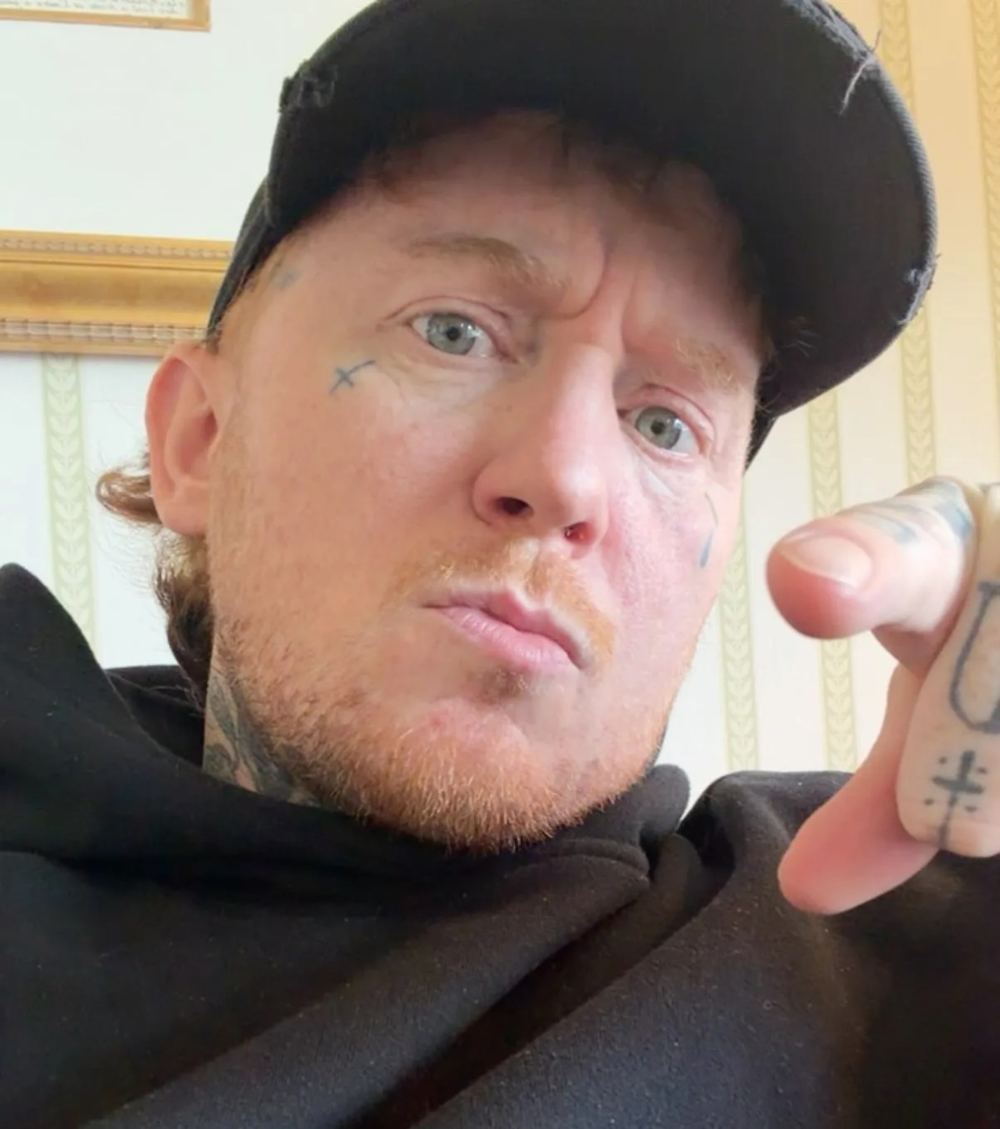
It Bites frontman Francis Dunnery details his shift from major labels to independence
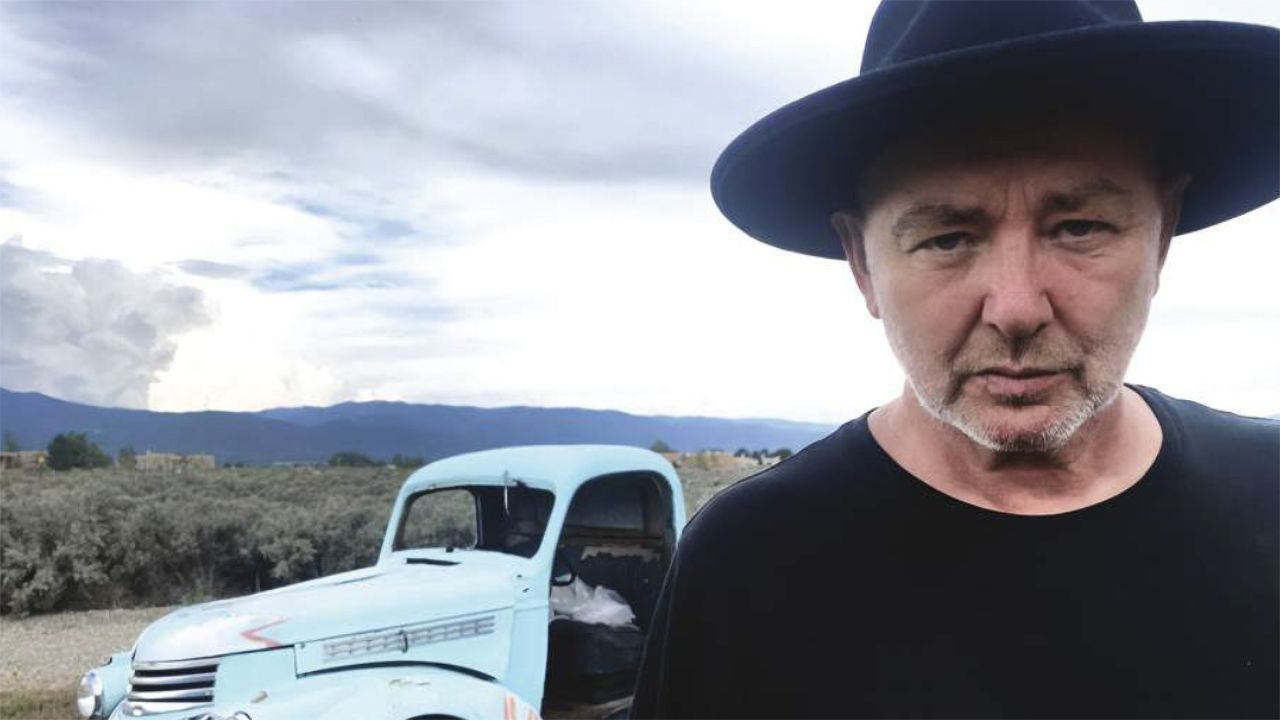
As the live music and recorded audio sectors adapt to shifting consumer habits, veteran guitarist Francis Dunnery’s transition from major label constraints to independent ownership offers a blueprint for modern artist economics.
Francis Dunnery is releasing a new live multimedia set and reflecting on his career trajectory from major record labels to independent ownership. The former It Bites frontman emphasizes that navigating the modern music economy requires artists to control their commercial destinies rather than relying on traditional corporate structures.
During the 1980s, Dunnery co-founded It Bites with schoolmates, eventually securing a contract with the European powerhouse Virgin Records after an impromptu showcase caught the attention of Modern Media founder Martyn Mayhead. The band achieved Top 10 chart success in 1986 with Calling All The Heroes, but Dunnery notes that corporate pressure to manufacture commercial hits ultimately fractured the group. To steady the ship during their second album, Virgin brought in producer Steve Hillage to help the band write shorter, three-minute singles instead of nearly 16-minute progressive tracks.
Walking away from that major label environment in Los Angeles proved liberating and established a blueprint for his subsequent decades as an independent artist and record label owner. This shift highlights a broader economic trend in the European and global music sectors, where creators increasingly bypass traditional gatekeepers to retain intellectual property and maximize direct revenue streams.
Dunnery has since diversified his commercial portfolio by fronting his own incarnation of It Bites and operating a pure blues side-band called Tombstone Dunnery. His recent output includes a 42-song triple-disc solo album and a Blu-ray and CD set recorded in Wolverhampton, demonstrating how legacy acts can monetize physical media and live performance assets in a fragmented market.
His independent approach contrasts sharply with his stint in 1993 playing guitar for Robert Plant, a role he describes as the biggest guitar job in the world. Dunnery admits he never applied for the position, noting that his lack of strategic planning often leads him to unexpected professional opportunities rather than calculated corporate climbs.
Reflecting on that era, the Cumbria native observes that thousands of musicians wanted the stadium tour, but he simply accepted the call when it arrived. His overarching philosophy for navigating both the creative and commercial sides of the industry remains straightforward: "When things come into your life, embrace them; when they leave, let them go."