Oatly pioneer targets pea milk as Europe seeks sustainable protein
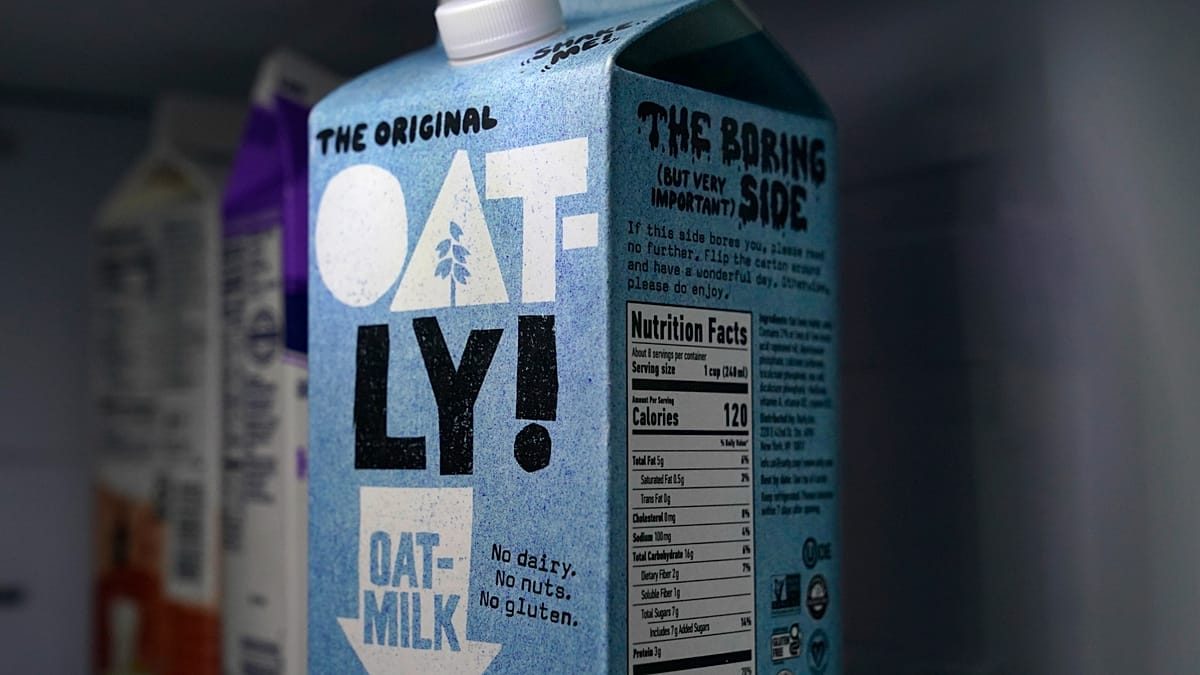
The scientist who commercialised oat milk is now applying a new enzymatic process to peas, signalling a potential shift in Europe’s alternative protein sector toward nutritionally dense, resource-efficient foods.
Angeliki Triantafyllou, the Greek biotechnologist who co-founded Oatly and led its research for two decades, has turned her attention to pea milk. As president of Cerealiq AB and the winner of the 2026 European Inventor Award in the "Industry" category, she is developing technology that could reshape the continent's alternative protein market.
Her current focus moves away from oats to yellow peas. While most existing plant-based applications rely on isolated protein, her team is building an enzymatic process that utilises the entire legume. “Our method, with our enzymatic technology, preserves all the properties and the full nutritional value of the pea. And of course it is an environmentally friendly method,” Triantafyllou said.
For Europe's food sector, this development carries significant commercial implications. Her earlier work included a patented enzymatic process that upgraded the taste, colour, texture and foaming ability of oat drinks. That specific innovation was decisive in transforming oat milk from a niche product into a global market, demonstrating her capacity to scale novel food technologies.
The transition to peas also addresses a growing frustration within the industry regarding products that achieve commercial success without offering comparable nutritional value. Triantafyllou has criticised the rise of highly marketed products like almond milk as dietary fads. She argues that future plant-based raw materials must instead be selected strictly for their nutritional profile and their contribution to sustainable food production.
This pivot is driven by the hard macroeconomic limits of traditional agriculture. Dairy farming remains highly resource-intensive, consuming vast amounts of land, water and feed while producing significant greenhouse gas emissions. “Animal production cannot increase indefinitely to meet the needs of a constantly growing population,” Triantafyllou said.
From an economic perspective, peas offer high-quality protein, while oats provide beta-glucans and dietary fibre, nutrients that most consumers already ingest in quantities far below recommended levels. Furthermore, plant-based crops generally require fewer natural resources than animal agriculture. This makes them a viable supply chain solution for a European economy increasingly grappling with water scarcity, soil degradation and the broader impacts of climate change.