Infantino’s World Cup interventions risk FIFA’s commercial model
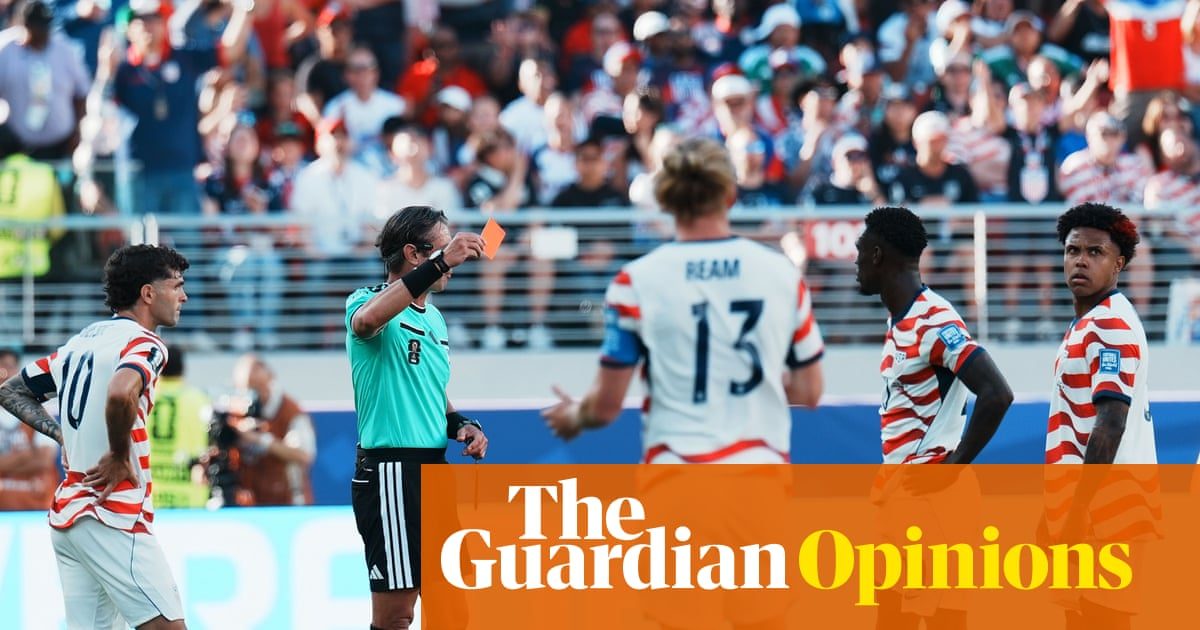
Gianni Infantino’s arbitrary suspension of Folarin Balogun’s red card at the behest of the US president threatens to undermine the World Cup’s commercial foundation by replacing sporting integrity with marketing concerns.
FIFA president Gianni Infantino has risked the commercial foundation of global football by arbitrarily intervening to suspend Folarin Balogun’s red card at the ongoing World Cup. The decision, made under article 27, bypassed any formal appeals process after the president of the United States publicly boasted about pressuring Infantino to intervene. By making justice appear arbitrary, FIFA has handed sceptics a compelling narrative that the tournament is being managed for television markets rather than sporting merit.
Seeding the four favourites yielded quarter-finalists made up almost entirely of big names and Switzerland. The tournament has undeniably been a "marketeers' dream", as major sides like England and Argentina have been pushed to the brink before advancing to maximise broadcasting engagement. Smaller nations like the Democratic Republic of the Congo, Cape Verde or Egypt simply do not pull in comparable TV audiences. However, when commercial imperatives begin to overshadow strict adherence to the rules, the underlying asset is devalued.
This is not an isolated incident but part of a broader pattern of FIFA manipulating regulations to keep famous players on the pitch. The governing body previously gerrymandered the Club World Cup qualifying process specifically to ensure the inclusion of Inter Miami and Lionel Messi. Earlier in this World Cup, Cristiano Ronaldo had a three-game ban for a red card against Ireland reduced to one match so he could play every group-stage game, forcing FIFA to declare an amnesty for three other suspended players.
On the pitch, a string of marginal decisions has fuelled suspicions of favouritism towards Argentina. Messi avoided a red card for planting his studs into Aissa Mandi’s calf against Algeria. Against Austria, Argentina benefited from a controversial VAR penalty and an ignored foul in the buildup to a Messi goal, while Egypt had a goal ruled out for a foul when Argentina’s winner in another match was not. Egypt manager Hossam Hassan’s complaints about keeping Messi in the tournament gained traction given Infantino’s "weird reaction" to Cape Verde’s equaliser against Argentina.
For a business built on the unpredictability of live sport, this perceived loss of neutrality is an existential threat. As history shows in markets like Romania, where decades of match-fixing under the Ceaușescu era bred permanent cynicism, once the perception of integrity vanishes, the audience collapses. Football without faith is nothing, and prioritising the "grubby lust for growth" over transparent governance ultimately destroys the very product FIFA is trying to sell.