Hormuz shipping halted as US launches fresh strikes on Iran
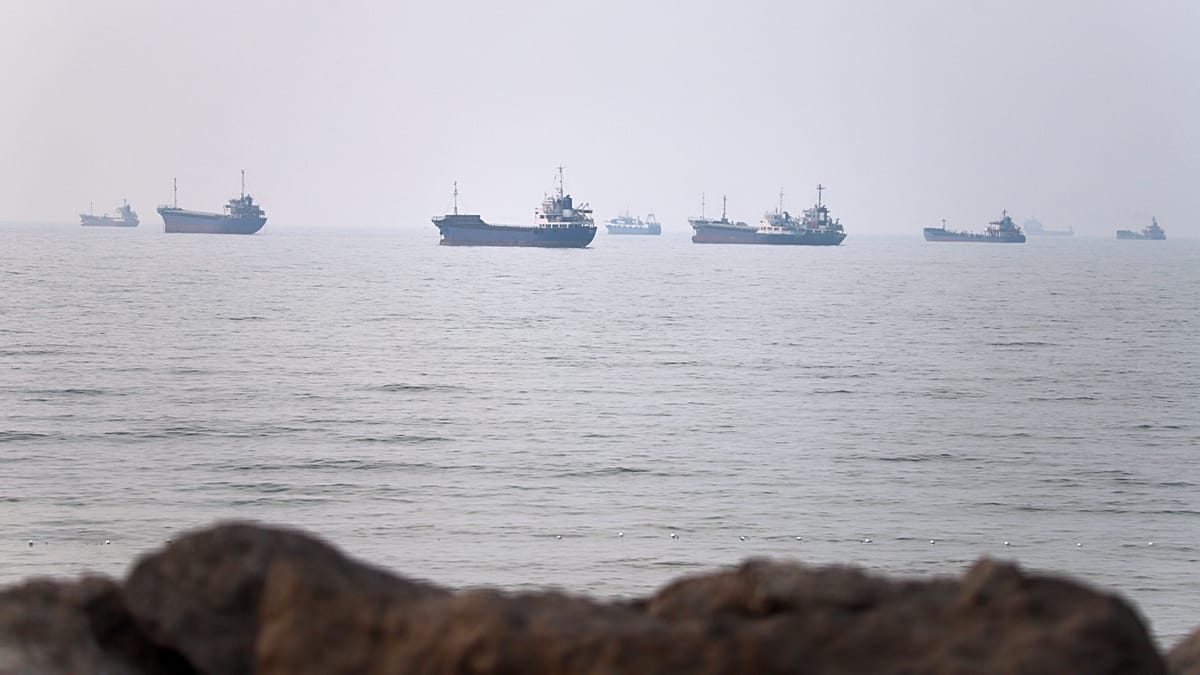
A new wave of US military strikes on Iran has forced commercial ships to abandon a critical oil transit chokepoint, threatening severe disruptions to European energy supplies and global trade.
US forces launched a second night of strikes against Iran, targeting dozens of military sites as a conflict over the Strait of Hormuz escalates dramatically. The US Central Command said the barrage, which began at 2100 GMT on Sunday, hit air-defense systems, coastal radar, and drone capabilities across southern and western Iran.
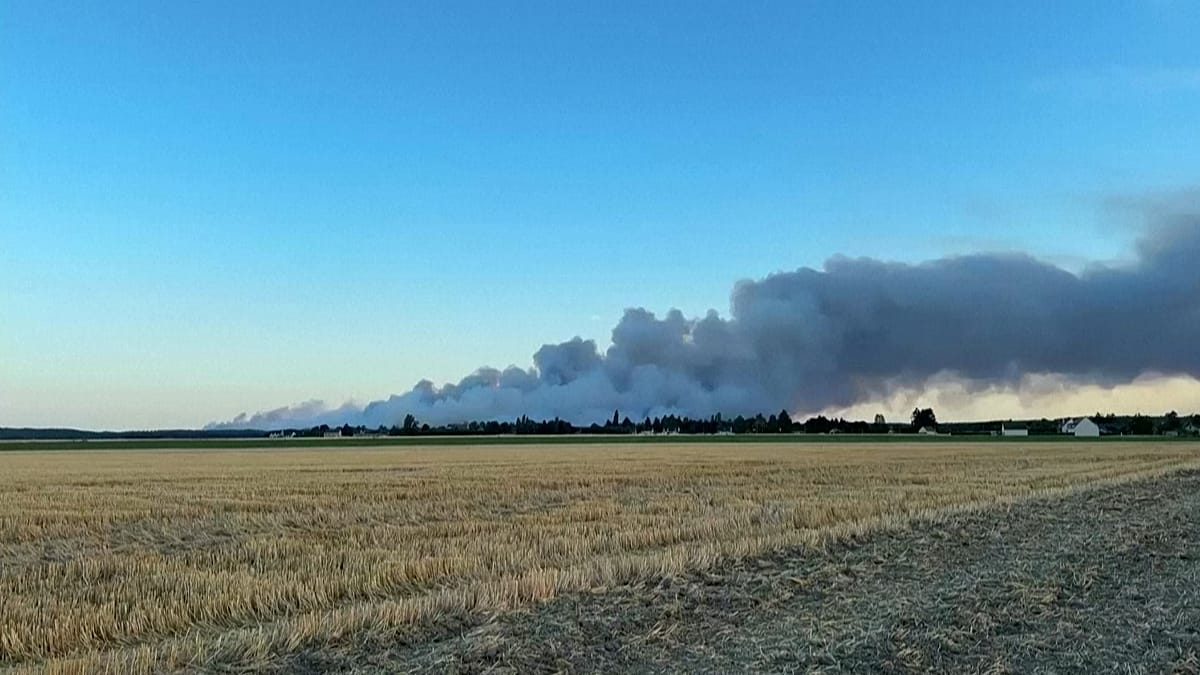
The military action follows an Iranian attack early Sunday on a commercial vessel in the strait. The ship caught fire and its crew was forced to abandon it. Iran's Revolutionary Guards subsequently announced that the Strait of Hormuz "will be closed until further notice and until the end of American interventions in this region."
For Europe, the sudden closure of the strait represents a critical economic threat. The narrow waterway is a primary artery for Middle Eastern oil and liquefied natural gas reaching European refineries and power grids. Any sustained halt to maritime traffic risks immediate spikes in energy prices, threatening to derail inflation targets and strain corporate supply chains.
Washington has rejected Tehran's closure declaration. CENTCOM stated the strait remains "open to all vessels seeking to lawfully transit," adding that "Iran does not control the strait. Traffic is flowing." US forces said they are positioned to ensure freedom of navigation, having conducted approximately 140 strikes the previous night.
The exchange of fire is rapidly drawing in neighboring Gulf states. Iranian state media reported strikes near the strait on Qeshm island, Bandar Abbas, and the island of Farur, where official news agency IRNA reported that "one person was martyred and four others were injured." The Revolutionary Guards then launched strikes on Jordan, Bahrain, and Kuwait.
Kuwait reported damage to three northern land border posts and an offshore drilling platform hit by a hostile drone, leaving one person injured. In Bahrain, home to the US Navy's 5th Fleet, missile alert sirens sounded at dawn on Monday, with the interior ministry urging residents to head to the nearest safe place.
The US campaign explicitly aims to degrade Iran's ability to threaten international shipping. However, the targeting of a commercial vessel has already disrupted maritime operations. European companies with freight or energy interests in the region now face the immediate prospect of rerouting cargoes around the Arabian Peninsula at significant cost.