New Arctic footage complicates Norway's critical minerals push
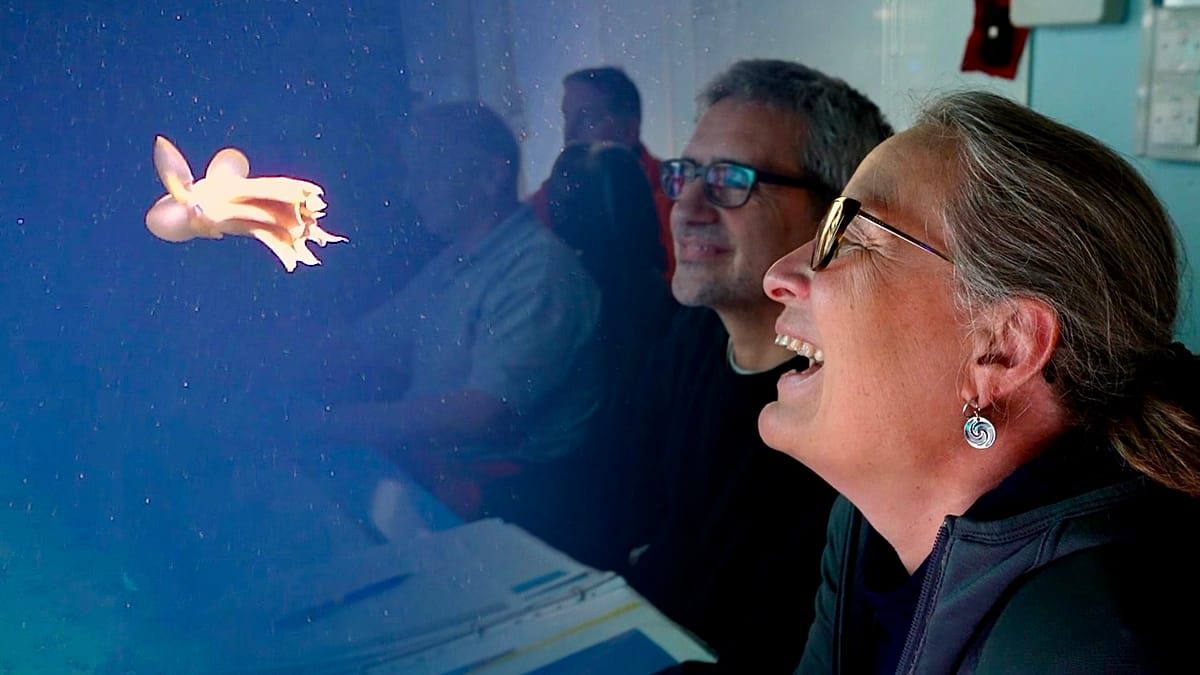
Fresh evidence of fragile marine life on the Arctic seabed has emerged just as Norway weighs the economic promise of deep-sea mining for critical battery metals against severe environmental risks.
A month-long scientific expedition has documented rare marine species on the Arctic seabed, directly challenging the ecological viability of Norway's plans to extract critical minerals from the deep ocean.
Using remotely operated vehicles plunging to 3,000 metres, an international team of researchers explored seamounts and hydrothermal vents off the Norwegian coast. The mission, organised by Greenpeace and livestreamed to over 450,000 viewers, filmed a rare Dumbo octopus and collected more than 400 sponge samples, including several species potentially new to science.
The findings land at the centre of a fierce debate over Europe's supply chain security. Norway opened this specific seabed area for deep-sea mining in 2024, arguing that accessing underwater reserves of cobalt, nickel and rare earth elements is vital for manufacturing electric vehicle batteries and other green technologies.
However, marine scientists warn that the economic benefits could come at an irreversible ecological cost. Anne Helene Tandberg, a researcher at the University in Bergen who participated in the expedition, noted that deep-sea ecosystems recover exceptionally slowly from physical disturbances. "Very many of the species are long-lived and don't produce very many offspring, so if something happens, they have very little [capacity for] restitution," she said.
The broader economic viability of seabed mining is also threatened by climate change. Deep-sea invertebrates depend on cold, stable waters and calcium-based skeletons, both of which are vulnerable to warming and ocean acidification. "The deep sea, even though it's far away from us, is already now suffering a lot of problems," Tandberg added.
For mining companies and investors, the regulatory landscape remains highly uncertain. While the Norwegian government moved to open the seabed, a coalition of environmental groups, scientists, fishing communities and opposition parties successfully forced a pause on exploration until at least 2029.
The standoff in Norway mirrors a global deadlock over how to source the materials needed for the energy transition. Negotiations over international deep-sea mining rules are currently stalled at the UN's International Seabed Authority. Critics maintain that terrestrial mineral reserves remain sufficient to meet demand, rendering deep-sea extraction an unnecessary gamble.
The research team will analyse the collected samples and footage over the coming months. Their data is expected to directly inform proposals for new marine protected areas in Norwegian waters, potentially further restricting access to the very mineral reserves the government hopes to exploit.