Poland threatens to block Ukraine's EU path over historical dispute
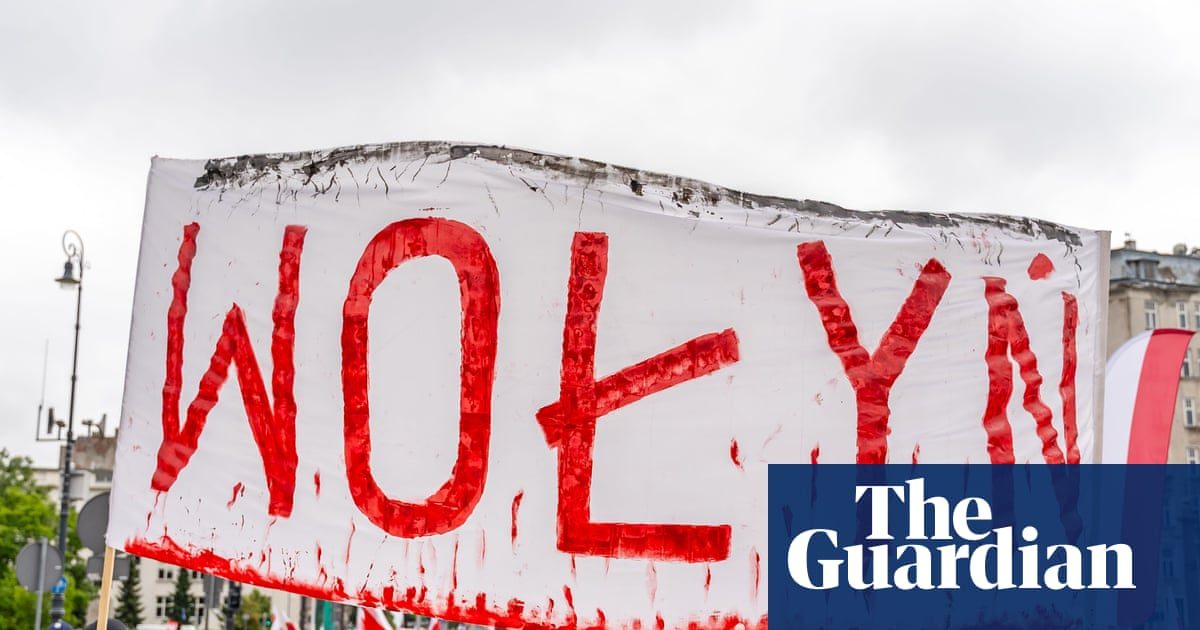
Poland's prime minister has warned that Ukraine cannot join the EU until it confronts its history, threatening Kyiv's economic integration as a dispute over a Second World War massacre escalates into a political crisis for both governments.
Poland has threatened to block Ukraine’s EU accession unless Kyiv reckons with the legacy of the Ukrainian Insurgent Army (UPA), a group responsible for the massacre of about 100,000 Poles in 1943. The ultimatum from Polish Prime Minister Donald Tusk follows a decision by Ukrainian President Volodymyr Zelenskyy to name a military unit after the "heroes of the UPA" despite repeated warnings from Warsaw. The crisis marks a dramatic collapse in relations between two states that were closely allied following Russia's invasion in 2022.
In June, Polish President Karol Nawrocki stripped Zelenskyy of a Polish state award, triggering Ukrainian officials to return their own decorations. Kyrylo Budanov, Zelenskyy’s chief of staff, wrote on X that "no one will ever again dictate to Ukrainians which heroes to honour, which holidays to celebrate, or which history to study." Nawrocki, speaking on the anniversary of the massacres, framed the issue in stark terms: "Praising genocide or turning a blind eye is an invitation to commit further genocide."
Beyond the historical rhetoric, the dispute is fraying the practical ties that bind the two economies. More than 1 million Ukrainians now live in Poland, where they are net contributors to the economy, yet resentment is growing among Poles. At border crossings—the primary exit route for Ukrainians since flights were grounded in 2022—citizens report aggressive treatment and hours-long queues in harsh weather. Olha, a graphic designer from Kyiv, said: "Every time I am entering Poland I feel my whole body shaking with rage at the way they look at us, the way they treat us."
Both leaders are leveraging the row for domestic gain ahead of elections. In Poland, Nawrocki has seen his trust ratings jump to an all-time high of 55%, up more than 8% in a month according to an Onet poll, after running on anti-Ukrainian sentiment. Tusk, whose coalition faces parliamentary elections next year, has adopted a hard line to avoid appearing soft on Ukraine. Bartosz Cichocki, Poland’s ambassador to Ukraine until 2023, noted Zelenskyy was playing with nationalism to consolidate society: "He’s gaining domestic legitimacy but he’s losing something much bigger … I think they’ve been surprised by how strong our reaction has been."
Tusk announced a "wall of memory" for the Volhynia victims and made the EU link explicit. "Reconciliation in Europe after the second world war was possible because of truth and the ability to speak honestly about the past," Tusk said. "Those who want to join this community have to be ready for that truth." EU accession requires unanimous approval from member states, giving Poland an effective veto over Ukraine's main long-term economic and political strategy.
The divide reflects fundamentally different views of the Second World War. In Ukraine, the UPA is widely celebrated for fighting Soviet rule, a consensus that solidified after 2022, according to Ukrainian historian Yaroslav Hrytsak. He noted that Kyiv and Warsaw are led by men with opposing approaches: "On the one side we have a president who cares too much about history and on the other side a president who cares too little about history."