French football's talent surplus spotlights untapped human capital
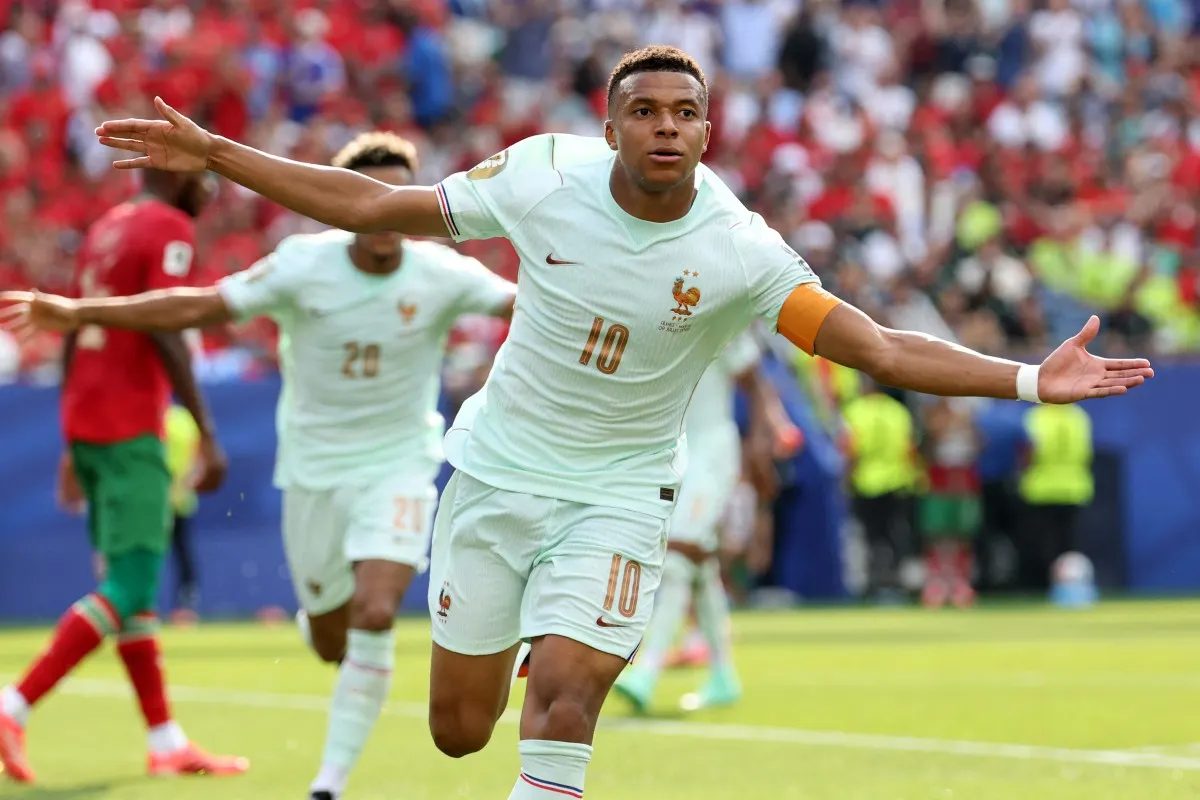
As France reaches its third straight World Cup semi-final, the national team's reliance on home-grown talent from marginalized suburbs highlights a rare integration success that the broader French economy has failed to replicate.
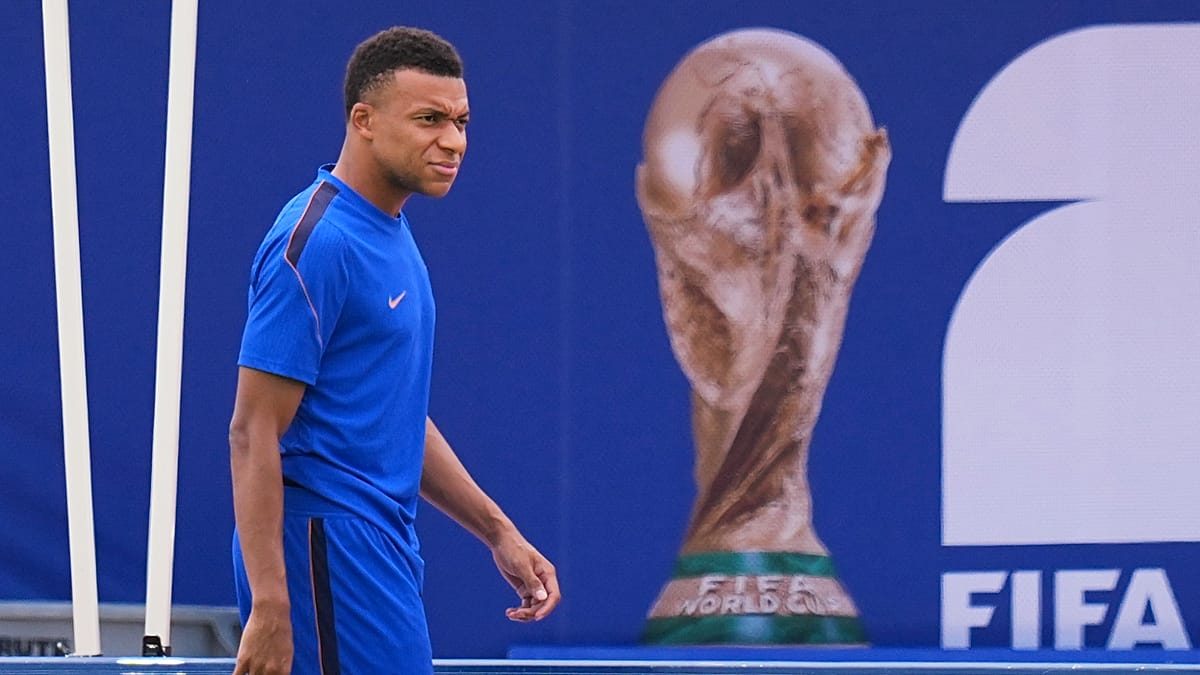
France will play Spain in Dallas tonight for a place in the World Cup final, marking the country's third consecutive semi-final appearance. The squad of 26 players, all French nationals and all but three born in the country, continues to be drawn heavily from the multi-racial inner suburbs of Paris and other cities.
The scale of this talent pipeline has turned football into one of France's most prolific exports. There are 99 French-born players at this World Cup, including 23 in the French squad. Last year, 242 French players featured in the English Premier League, second only to England itself.
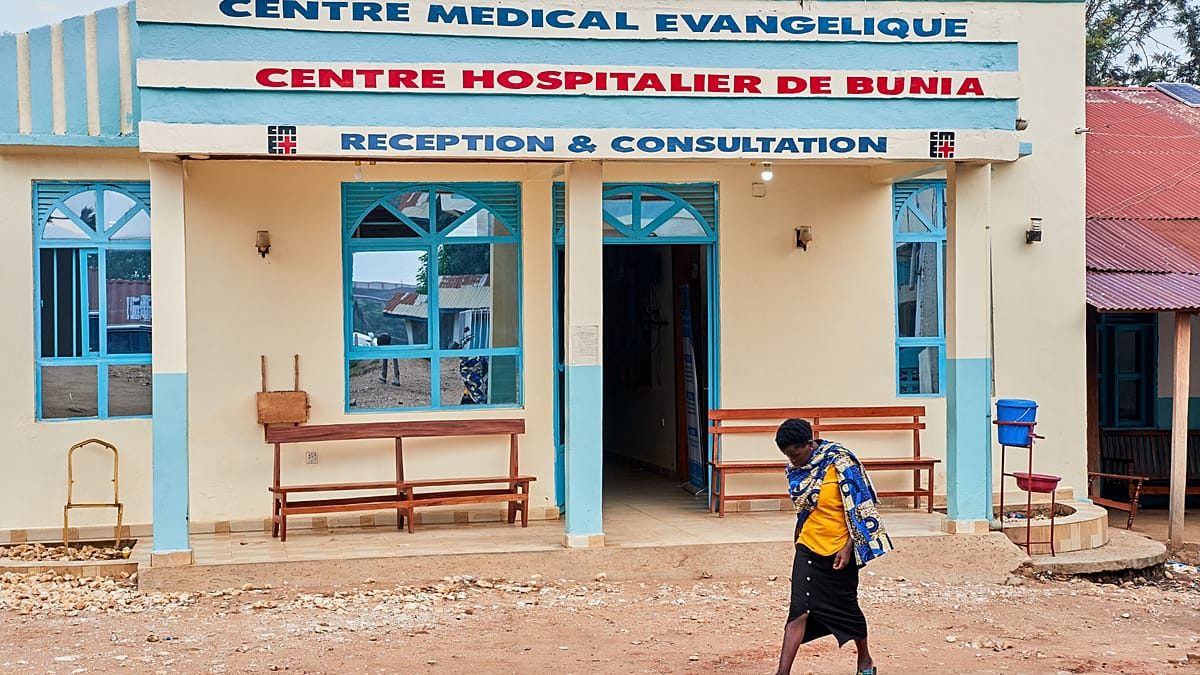
For European policymakers and economists, this output raises a pressing question: what is French football doing right that the rest of the country is not? The national team's success is built on cheap, accessible sports facilities and the dedication of amateur coaches in areas often defined by poverty, poor housing and drug-trafficking.
While the banlieues are frequently portrayed as economic liabilities and sources of social unrest, they are simultaneously generating immense human capital. The French football federation has harnessed the energy of the children of migrants, producing a surplus of talent so deep that 76 French-born players at this tournament represent the countries of their family origins, such as Morocco, Algeria and Senegal.
This dynamic comes at a critical juncture in French public life. Over the next nine months, far-right leader Marine Le Pen is expected to heavily emphasise the problems of the suburbs to advance her political agenda. The persistent racial framing of the national team underscores this tension.
Former Spanish Prime Minister Mariano Rajoy recently claimed the squad was “of a very high level…without French players”. A Paraguayan senator, Celeste Amarilla, called striker Kylian Mbappé—a Paris-born private school graduate—a “colonised Cameroonian” who was “pretending to be French” but was brought up “around chimpanzees and coconuts”.
Senegal's parliament speaker Ousmane Sonku echoed this before a June 16th match, stating: “If you want to look at the match politically, then whoever wins, Africa will have beaten Africa.” Such rhetoric is not new. Before the 1998 World Cup victory, Jean-Marie Le Pen complained the team had been “imported” and did not know the words to La Marseillaise.
Yet that earlier triumph did not prevent Le Pen from reaching the second round of the presidential election four years later. Within seven years, the multi-racial suburbs erupted into riots that have recurred roughly every five years since.
The current generation of players proves that integrating diverse populations yields world-class results when paired with local investment and encouragement. Sport alone cannot solve the structural problems of the banlieues. However, the football system provides a blueprint for extracting value from marginalized communities that the wider French economy has largely ignored.