EU sanctions VK over surveillance of Putin critics

The European Union has frozen the assets of Russian tech giant VK for building state surveillance tools, marking a new front in Brussels' campaign to sever digital ties with Moscow.
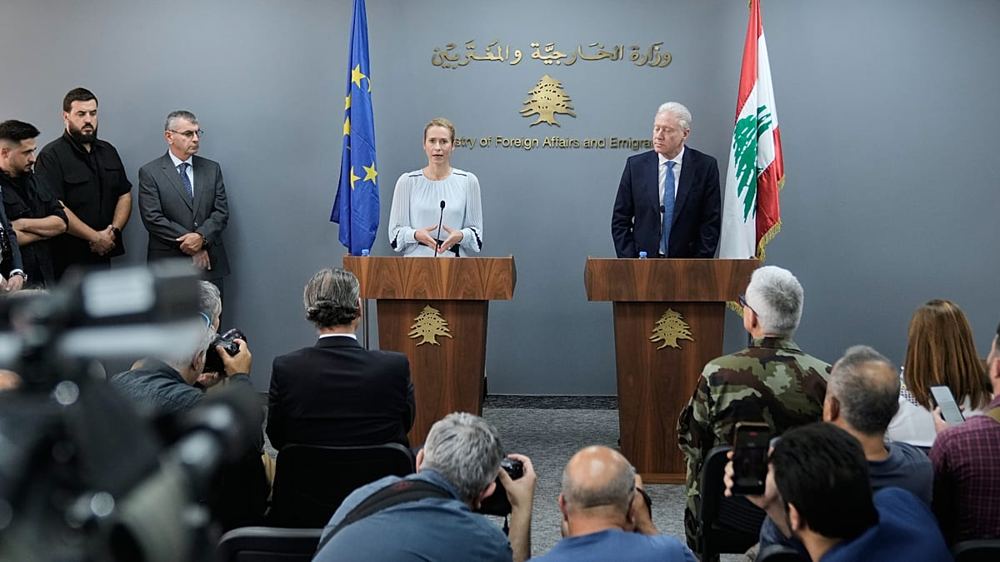
EU foreign ministers approved an asset freeze against VK Company on Monday, barring European businesses from providing funds to the operator of Russia’s largest social network. The sanctions target the firm for colluding with the Kremlin to identify and suppress critics of the invasion of Ukraine. Brussels acted under a special regime dedicated to punishing human rights violations.
At the centre of the penalty is Max App, a state-backed application developed by VK and an associated firm. Pre-installed on all phones and tablets sold in Russia, the software contains extensive surveillance capabilities. According to the EU's legal text, authorities use it to track communications, harvest address books, pinpoint user locations and install autonomous updates.
For European businesses, the measures signal a definitive closure of any remaining avenues into Russia's domestic digital economy. By sanctioning VK, which boasts roughly 70 million users on its VKontakte platform, Brussels is penalising a company that actively helped Moscow sideline Western competitors. The regime used Max App to squeeze out WhatsApp, Instagram, Telegram and the virtual private networks that Russians previously relied upon to access independent content.
Targeting the surveillance supply chain
The package extends beyond the social media giant to the hardware and software providers propping up Moscow's digital repression. Citadel, VAS Experts and Norsi-Trans were hit with asset freezes for equipping the System of Operative Investigative Measures, a framework used to monitor and target journalists, opposition figures and minority groups.
"VK has cooperated with Russian authorities in their repressive actions, including by providing them with data concerning users of its services who posted content criticising Russia's war of aggression against Ukraine, or other content banned by the authorities," the EU legal text says. "VK has also participated in the government-ordered ban on the use of VPNs, through which Russian internet users could previously access independent content."
Despite the European restrictions, VK told the Russian state-owned media outlet TASS that its applications and services remain "available to users as normal". Separately, the EU widened its defensive posture by sanctioning nine individuals and four entities accused of carrying out "malicious" cyber attacks against several member states.