Italy enforces speed camera standards, threatening city revenues
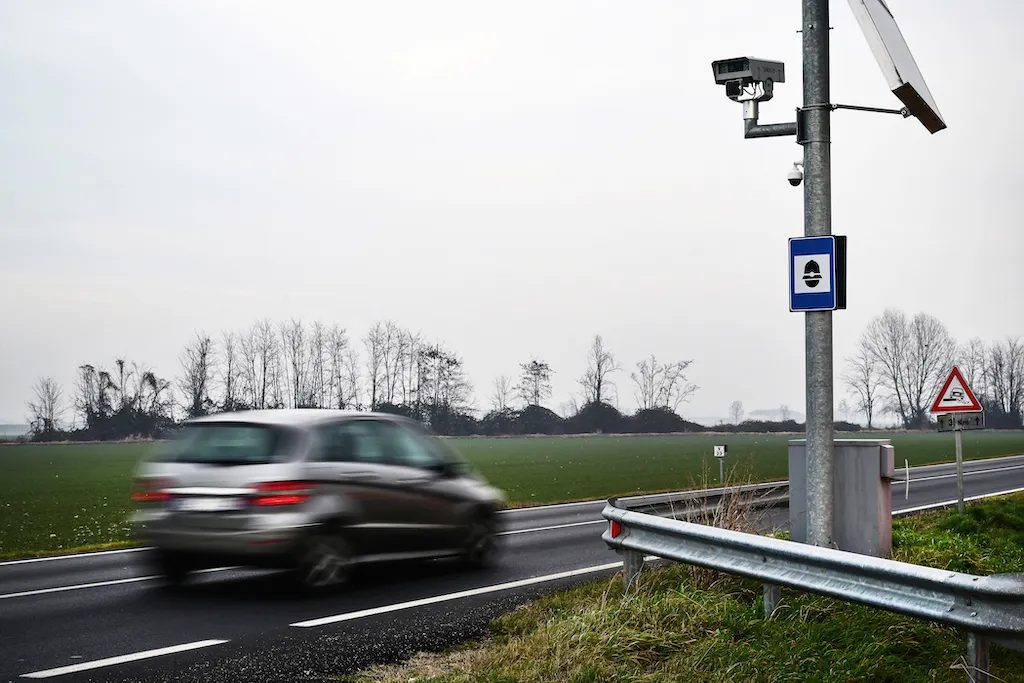
Italy has finally enforced long-ignored certification rules for speed cameras, forcing hundreds offline and threatening a vital source of municipal revenue despite the country's poor road safety record.
Italy's transport ministry has issued strict new technical standards for speed cameras, requiring devices to blur the faces of drivers and passengers while maintaining a margin of error of less than three percent above 100 kilometres per hour. Under the decree, 3,150 cameras currently meet the criteria and will continue to operate. However, manufacturers must now apply to certify roughly 850 additional devices in the coming months to keep them legally active.
The ruling resolves a sprawling administrative failure that left municipalities exposed. Italy's highway code has mandated formal camera certification since 1992, yet the government never issued the required implementing decree. This legal limbo finally collapsed in 2024 when the Supreme Court ruled that speeding fines were invalid if the cameras had merely been "approved" by the administration rather than independently tested and "certified." A torrent of legal challenges from penalised drivers immediately followed.
For local authorities, the sudden enforcement threatens a reliable, albeit controversial, revenue stream. Income from speed cameras in Italy's 20 largest cities dropped by nine percent in 2025. Between 2021 and 2025, these devices generated a total of 306 million euros for municipal coffers. Florence collected more than 86 million euros, making it the top earner ahead of Milan and Genoa.
Transport Minister Matteo Salvini framed the new rules as a necessary correction to penalise cities for relying on automated enforcement. “Enough with ghost speed cameras, which were nothing more than a hidden tax on millions of workers and had nothing to do with road safety,” he wrote on X.
Consumer advocacy group Codacons praised the technical standardisation but highlighted the cost of the government's historical inaction. The group noted that several local authorities had already preemptively switched off their cameras because any fines issued would have been thrown out in court. “This measure comes with enormous delay,” Codacons said.
The association stressed that legitimate enforcement remains critical. “Those who (...) endanger their own lives and the lives of others must be punished with the utmost severity, but penalties must be legitimate and imposed using devices that fully comply with the provisions of the Highway Code,” Codacons said.
This regulatory pivot arrives as Italy continues to grapple with a deadly road safety record. In 2025, the country recorded 49 road deaths per million inhabitants. According to the European Commission, this mortality rate places Italy alongside France as the worst-performing nations in Western Europe.