Wildfire risks shift to northern Italy amid national alert blackout
Wildfires are spreading unusually into northern Italy, exposing a critical gap in public risk communication as regional authorities independently manage escalating emergencies.
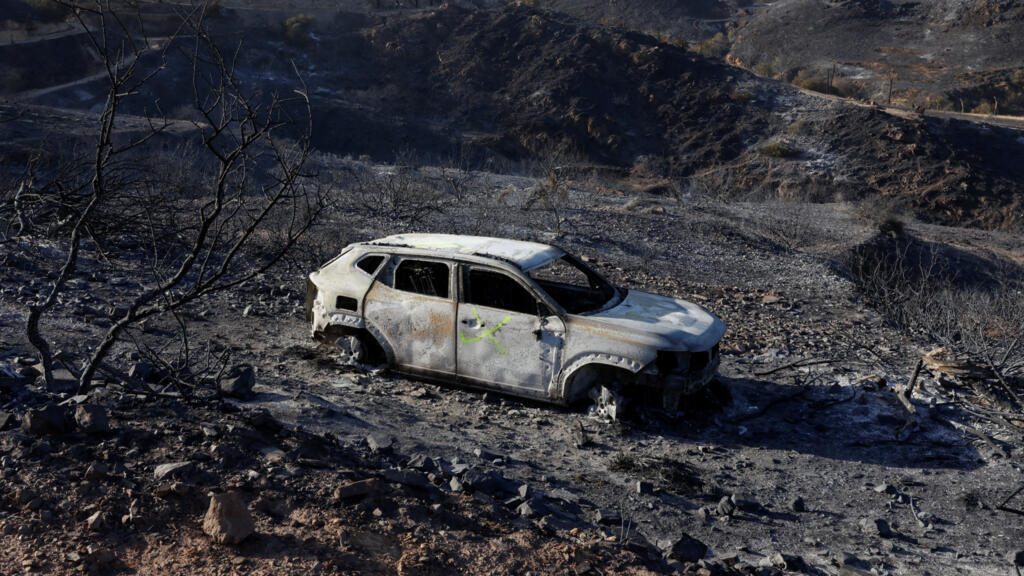
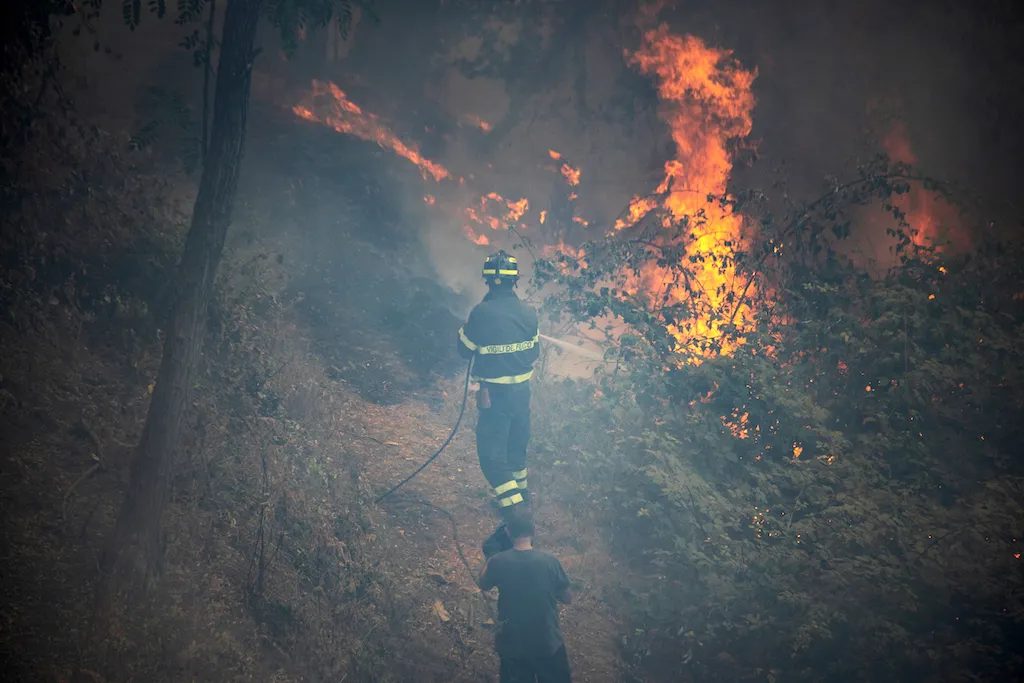
Unusually severe wildfires have engulfed northern Italy, with Friuli Venezia Giulia proclaiming a state of "maximum danger" on Monday as extreme heat rendered local vegetation "highly flammable."
The blazes mark a troubling departure from historical patterns, as northern regions typically face elevated fire risks only during winter and spring. Now, a summer heatwave gripping northern Europe has pushed the danger zone south along the Alpine arc.
The European Union’s Copernicus Earth observation program confirmed this shift, warning that "very extreme conditions dominate a large area of western and central Europe" for the week of July 8th-15th. The system forecasts high risk across Puglia, Sardinia, and Sicily, with Tuscany, Emilia Romagna, Piedmont, Abruzzo and Le Marche affected as the week progresses.
The geographic expansion of the fires increases the economic and administrative burden on regional governments, which are largely left to manage the crisis independently. Between January 1st and June 9th, flames consumed 60km² of Italian land, according to the National Institute for Environmental Protection and Research (ISPRA). Tuscany suffered the most, accounting for 28 percent of the destroyed land, followed by Calabria at 23 percent.
Recent days have seen over 800 hectares of forest destroyed in Piedmont, prompting ongoing operations by the National Fire Brigade. To cope with the strain, Basilicata President Vito Bardi declared a preemptive state of emergency for wildfires lasting until September 15th, a measure designed to guarantee additional firefighting personnel on critical days. Liguria and Valle D’Aosta have also issued elevated danger warnings this month.
Despite the escalating resource demands placed on local authorities, the national government maintains a blind spot in its public communication. While Rome publishes daily alerts for national heatwave and storm risks, it withholds equivalent wildfire bulletins from the public. The Civil Protection Department shares these daily risk assessments with regional authorities, but citizens are left in the dark. Puglia previously published these national alerts on its website but stopped doing so in 2023.
“There’s a high risk at the moment, because temperatures are very high and there’s a persistent shortage of rainfall,” Alfonso Scica, head of the Forest Fire Service at the National Fire Brigade, told La Repubblica. He noted active incidents in Puglia and continuous operations in Piedmont.
In the absence of a centralized national system, public safety now depends on a fragmented patchwork of regional websites. While Lombardy, Veneto, and Tuscany provide real-time or daily map updates, heavily forested regions like Calabria, Umbria, and the Autonomous Province of Trento offer no public wildfire updates at all. Residents and businesses must instead turn to the EU’s Forest Fires Information System or independent satellite trackers like Incendioggi for reliable forecasts.