French app Yuka drives supermarket chain to drop 160 additives
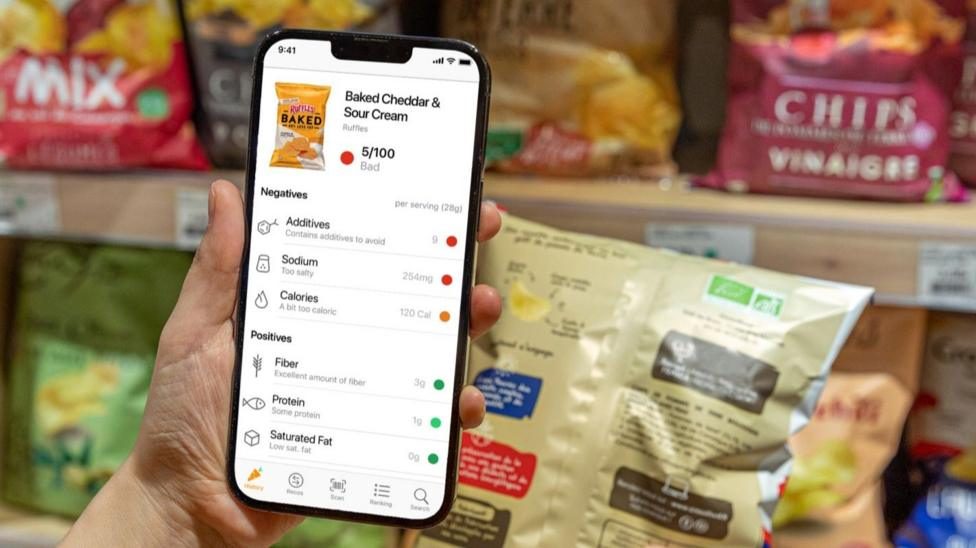
The French food-scanning app Yuka has grown to 85 million users and is now pressuring major European retailers like Intermarché to reformulate products to avoid losing sales.
France’s third-largest supermarket chain, Intermarché, has reformulated over 3,000 recipes and removed 160 additives from its own-brand products since 2017 to improve their ratings on the Yuka food-scanning app. In April, the retailer began displaying those Yuka scores directly on its online shopping site. The move highlights how a French tech startup is now exerting tangible pressure on European food manufacturers and retailers to alter their supply chains.
Yuka, founded in France in 2015, allows users to scan barcodes to receive an immediate health rating based on sugar, fat, additives and processing levels. The app now boasts 85 million users across 12 countries, including six million in France and five million in the UK. A 2024 company survey of 20,000 users found that 94% of them return a product to the shelf if the app displays a red warning.
This ability to shift consumer behaviour at the point of sale has turned Yuka into a profitable business without relying on food industry advertising. "We have never accepted money from brands to influence our ratings or recommendations," says Julie Chapon, Yuka’s co-founder and CEO. "Our revenue comes from users, through the premium version of the app." While only a tiny percentage of users pay for the premium tier, the sheer scale of the user base makes it sufficient.
Yuka operates alongside other French-originated food transparency tools, such as the non-profit Open Food Facts database and the government-backed Nutri-Score labelling system. While major manufacturers like Danone and Nestlé have widely adopted the voluntary Nutri-Score label, brands anticipating a poor grade often simply opt out. Apps like Yuka fill that information gap by providing detailed breakdowns of ultra-processed additives.
However, experts caution that these digital tools have structural limitations for the broader economy. "Unfortunately, they essentially only touch the more privileged section of the population, who are not those most at risk of health problems linked to the way they eat," says Serge Hercberg, the Sorbonne University researcher who created Nutri-Score.
For those who do use the apps, the economic effect is often a shift toward more expensive organic alternatives, raising questions about the inflationary impact of health-driven grocery shopping. "Few people have the time, capacity or inclination to engage with shopping and food choices beyond routine," says Christian Reynolds, Reader in Food Policy at City St George's University, London.