World Cup and heatwave lift UK spending but hurt high street
A temporary surge in UK consumer spending driven by football and hot weather masks a deepening structural shift towards online retail and persistent economic pessimism.
UK consumer spending rose 1.9% year-on-year in June, driven by the World Cup and a record-breaking heatwave. This represents a noticeable recovery from May’s lacklustre 0.8% growth, though it still falls short of the 3% rate of consumer inflation. The data suggests consumers are briefly putting aside deep-seated economic worries to indulge in short-term distractions.
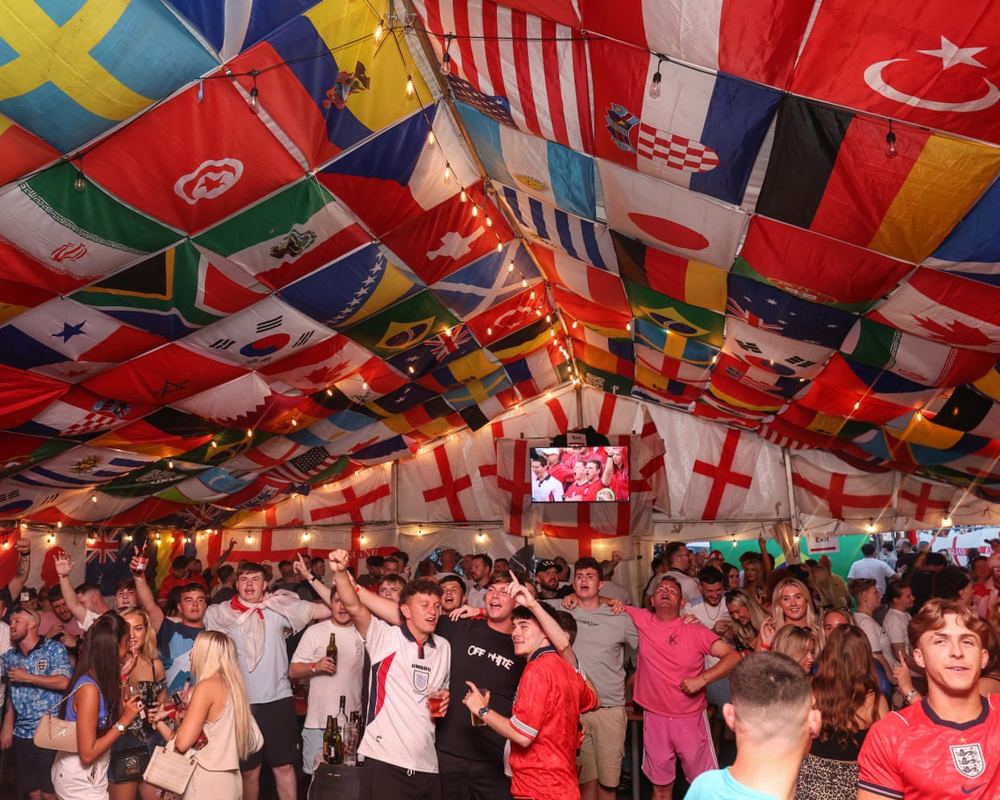
Pubs were the primary beneficiaries of the football, with fans taking advantage of extended opening hours. Barclays card transaction data shows England’s group stage victory over Panama was the busiest day of 2026 so far, with takings five times the daily average. The subsequent draw with Ghana saw pub spending surge 244% compared to the same day in 2025.
The commercial impact varied significantly by region. Data from payments company Dojo shows that during the round of 16 victory over Mexico, full-day pub sales in Southampton almost doubled compared to the previous week. In Newcastle upon Tyne, the same fixture yielded a more modest 11% increase.
The tournament’s economic injection is expected to peak ahead of Wednesday’s semi-final against Argentina. The British Beer and Pub Association anticipates an extra 6 million pints will be poured, surpassing typical New Year’s Eve levels. Industry estimates previously suggested England’s progress to the quarter-final alone could be worth £385 million to the wider economy.
However, the heatwave produced a starkly different commercial dynamic, accelerating a damaging structural shift for physical retailers. While clothing sales rose 2.4% and air-conditioned department stores saw a 9.7% jump in takings, consumers largely avoided the high street. British Retail Consortium data shows in-store non-food sales actually fell 1.1% in June compared to a year earlier.
Instead, shoppers turned to e-commerce to buy items like electric fans and paddling pools without braving the heat. Online non-food sales jumped 5.1%, well above the 12-month average growth rate of 1.5%. Consequently, the online penetration rate for non-food items climbed to 39%, up from 37.7% in June last year.
For the broader European economy, the UK data underscores a fragile consumer environment where spending is event-driven rather than confidence-led. The BRC warned that the temporary sales spike masks severe underlying pressures on retailers. "These pressures come on top of rising business rates, higher employment taxes and ongoing global uncertainty, all of which are squeezing retailers’ ability to invest, create jobs and keep prices down," said BRC chief executive Helen Dickinson.
Underneath the televised celebrations and temperature spikes, British consumers remain deeply pessimistic about the broader economy. The temporary relief offered by summer sports and weather is unlikely to alter the trajectory of a retail sector battling structural headwinds and permanently altered shopping habits.