Campaigners urge London to adopt city-wide right to grow food on public land
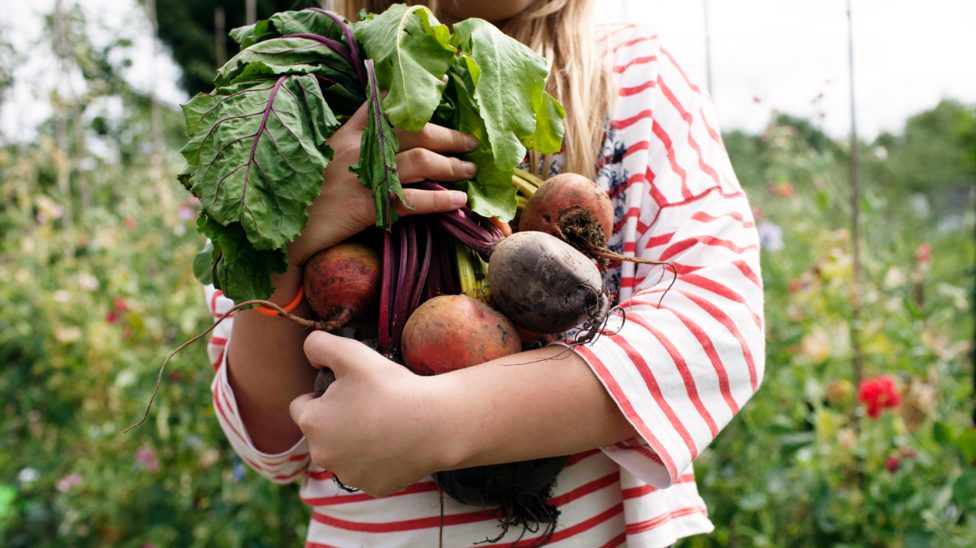
Activists are pressing the Greater London Authority to standardise access to unused public land for urban agriculture, highlighting the capital’s heavy reliance on imported food and severe shortages in local growing spaces.
Campaigners are urging the Greater London Authority to implement a standardized "Right to Grow" framework across all 32 boroughs and the City of London. The initiative aims to convert unused public land into community food gardens, allotments, and orchards.
While councils such as Hackney, Southwark, and Hounslow have already adopted similar local policies, advocates argue a unified municipal approach is necessary. A new report by the London People's Assembly on Food, Nature and the Right to Grow details twelve demands to make the city more edible by 2035.
These proposals include appointing dedicated community growing officers in every borough. They also call for integrating food cultivation directly into future urban planning and public health strategies.
The push comes amid a severe mismatch between the demand for agricultural space and its availability. A 2023 Freedom of Information request published by Greenpeace revealed that at least 30,500 residents are currently on allotment waiting lists, with sixteen boroughs closed to new applicants.
Local shortages are particularly acute in specific areas. In Camden, prospective growers face waiting periods of up to twelve years, while Islington offers merely 106 allotment plots for approximately 17,000 households lacking private garden access.
This scarcity underscores a broader economic vulnerability for the capital. Kalpana Arias, a leader of the Right to Grow Campaign, noted that London currently imports 94% of its food, making local food security and biodiversity critical issues for urban resilience.
Arias described the adoption of the policy as an "easy win" for City Hall. She emphasized that institutions must match public ambition by eliminating bureaucratic barriers and embedding the framework within existing housing and food policies.
In response, Deputy Mayor for Environment Mete Coban framed expanded green space access as a matter of social and environmental justice. He pointed to recent municipal efforts, including the planting of 640,000 trees and the deployment of a £12 million Green Roots Fund to support community-led environmental projects.
Despite these existing initiatives, City Hall has not confirmed whether it will formally draft the proposed city-wide Right to Grow framework. The decision will signal how seriously London’s leadership treats the integration of local food production into its long-term economic and environmental planning.