European stocks fall as Iran tensions lift oil and China exports surge
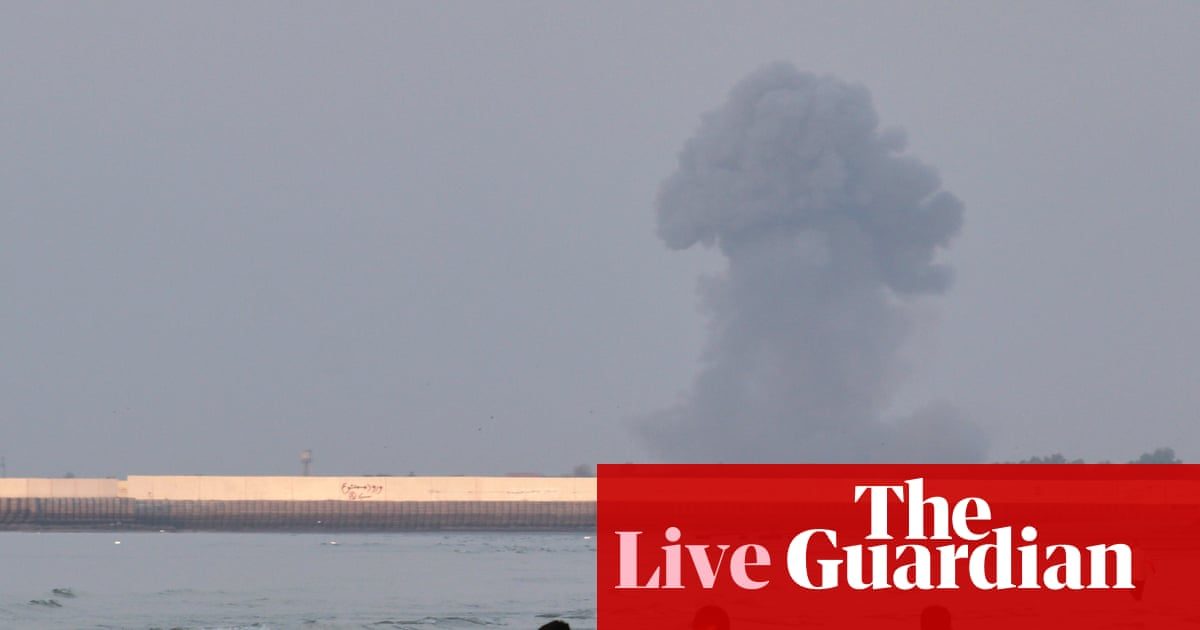
European equities dropped and oil prices surged above $86 a barrel after the US escalated strikes on Iran, while record Chinese exports threatened to deepen Europe's trade frictions.
European markets opened lower today as escalating military strikes between the US and Iran drove Brent crude above $86 a barrel for the first time since a ceasefire. The US carried out a third consecutive night of strikes against Iran, with two tankers coming under fire in the Strait of Hormuz. Donald Trump announced a naval blockade of Iranian shipping and a 20% fee on all cargo transiting the waterway, reversing last month's steps toward a peace deal.
The renewed conflict immediately pressured European indices, with the FTSE 100 down 0.5%, the French CAC falling 0.9%, and the Spanish Ibex dropping 1.07%. Investors are preparing for higher energy costs to filter through to the broader economy, with European gas prices hitting three-month highs. Susannah Streeter, chief investment strategist at the Wealth Club, said investors are in a state of stasis as they wait for the next twist in the conflict and brace for rising energy bills.
While the broader market suffered, energy giants BP and Shell bucked the trend, rising 3% and 1.7% respectively. BP forecast its net debt would fall to between $22bn and $23bn in the second quarter, down from $25.3bn in the first quarter, with oil trading results expected to be slightly higher. However, Victoria Scholar, head of investment at interactive investor, warned that BP's outlook remains highly vulnerable to a conflict beyond its control, even if short-term earnings benefit from the energy shock.
China’s record exports add to European pressure
Simultaneously, Europe faces growing pressure from a surge in Chinese exports, which climbed 27% in June to easily outpace forecasts and mark the biggest rise in four months. The export boom, driven largely by global demand for semiconductors and AI computing power, pushed China's trade surplus to $125.6bn. Imports also hit a five-year high, jumping 36% as purchases from chip manufacturers in South Korea and Taiwan soared.
The automotive sector remains a particular flashpoint for European manufacturers. Chinese car exports jumped 71.2% to a record 1.06m vehicles in June, putting the country on track to export more than 10m cars this year. This flood of vehicles comes despite the EU and other trading partners already imposing steep tariffs on Chinese car imports to protect domestic industries.
Exports now account for 24% of total Chinese manufacturing sales, the highest level since China joined the World Trade Organization in 2001. The consultancy Gavekal Dragonomics noted that such heavy reliance on exports would be considered high even for a small economy, making it remarkable for the world's second-largest. The firm warned this dynamic will further strain trade ties with Europe, leaving policymakers caught between imported energy inflation and deflationary pressure from Chinese factories.