China’s June exports jump 27% on AI demand, deepening European trade concerns
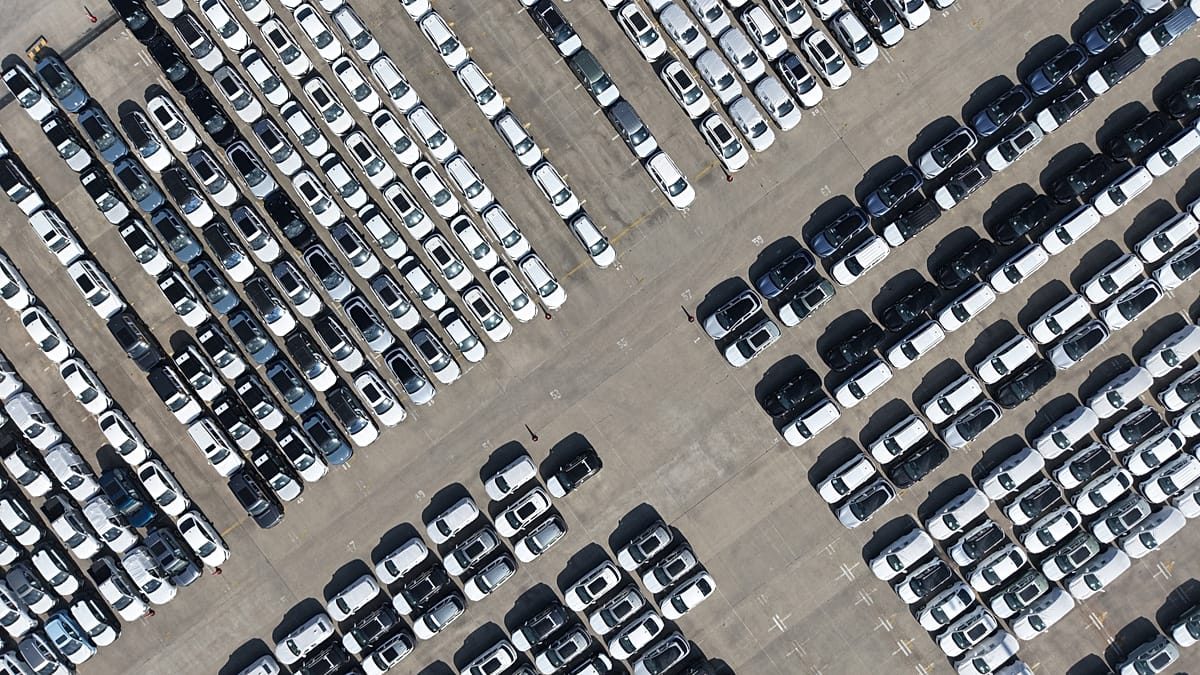
China’s trade surplus widened to $125.6 billion in June driven by artificial intelligence and electric vehicle exports, intensifying pressure on European markets already grappling with industrial relocation and tariff barriers.
China’s export growth accelerated rapidly in June, jumping 27% from a year earlier, the national customs agency reported on Tuesday. This surge significantly exceeded economist expectations and followed a 19.4% year-on-year rise in May.
The export strength drove China’s trade surplus to $125.6 billion last month, up from $105.4 billion in May. Imports also climbed steeply by 36%, an expansion analysts partially attribute to the Iran war driving up import costs.
The rally is heavily underpinned by the global artificial intelligence boom, which has spiked demand for semiconductors and electronic equipment. Julian Evans-Pritchard, head of China Economics at Capital Economics, observed that “trade values took another big leg up in June,” predominantly reflecting semiconductor price surges while underlying foreign demand remains robust.
For Europe, this dynamic presents a complex challenge. While exports to the European Union increased by more than 18% in June, policymakers in Brussels remain alarmed by the widening trade deficit. To circumvent higher tariffs and trade barriers, Chinese businesses are increasingly relocating manufacturing facilities directly into European regions.
Despite the headline strength, analysts warn the momentum is vulnerable. Wei Li, Head of Multi-Asset Investments at BNP Paribas Securities (China), cautioned that this export growth is becoming increasingly fragile, noting that robust shipments in autos and AI-related items will remain dependent on global demand and regulatory barriers.
This outward push is a direct response to prolonged weakness in China’s domestic economy. A persistent downturn in the property sector has suppressed local spending and investment, forcing Beijing to lean heavily on export manufacturing to sustain growth.
Chinese leaders have attempted to stimulate consumer activity through trade-in subsidies for automobiles and home appliances. However, ordinary households continue to avoid big-ticket purchases amid mounting economic pressure, leaving the annual growth target of 4.5% to 5% reliant on external markets.
The International Monetary Fund recently raised its forecast for China’s annual growth to 4.6%, though it projects a slowdown to 4.1% by 2027. As Beijing prepares to release second-quarter economic data on Wednesday, the sustainability of its export-led recovery will remain a critical focal point for European investors and regulators.