UK asylum hotel closures face court scrutiny over failed care checks

The UK government's push to close asylum hotels is facing legal challenges after vulnerable people were moved without medical assessments, exposing the fiscal and administrative costs of rapid policy shifts.
The UK Home Office is facing high court scrutiny over its accelerated programme to close asylum hotels, after lawyers argued the government failed to assess the vulnerability of residents before evicting them. A deputy high court judge, John Halford, ruled it was "arguable" the home secretary neglected to consider the "adequacy" of replacement accommodation.
On 25 June, the government announced the closure of 20 hotels, building on 11 shut earlier this year. The policy, driven by anti-migrant protests claiming the hotels were too luxurious, aims to move asylum seekers into military barracks or shared housing. However, legal representatives argue the execution has been deeply flawed.
Ralitsa Peykova, a solicitor at Deighton Pierce Glynn, which is mounting the challenges, described the process as "complete chaos and a waste of taxpayers’ money." Rather than moving people directly into permanent housing, many are simply being shuffled from one hotel to another without "any evaluative assessment of their needs," incurring repeated relocation costs while failing to end the use of commercial accommodation.
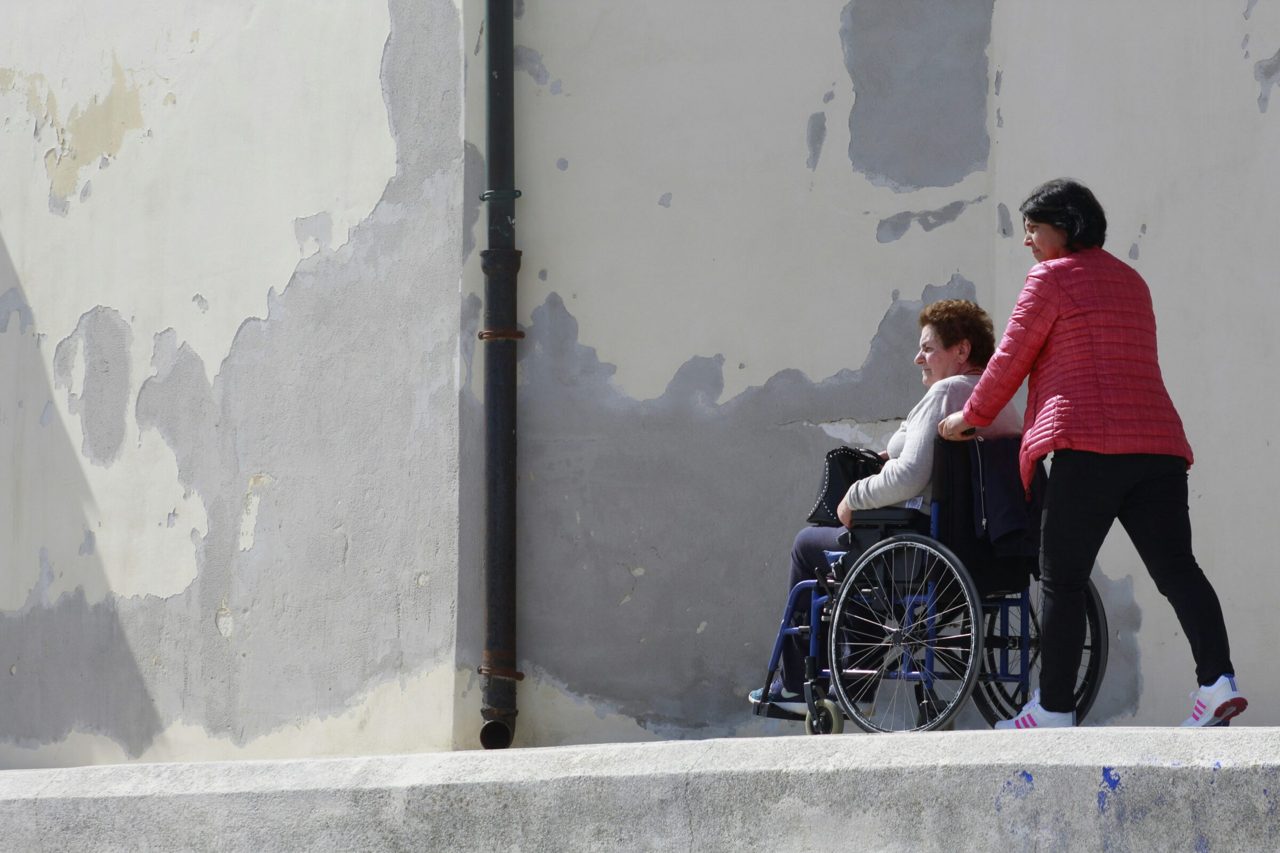
The logistical failures carry severe consequences for individuals and local authorities. When the Staycity hotel in London was closed, Huda, a 41-year-old engineering graduate from Tunisia, was moved with her two children. Her 12-year-old daughter, who uses a wheelchair and has epilepsy and a heart condition, was placed in a cramped room without a fridge for her medicine.
“I have so many different medical supplies just to keep my daughter alive that they take up almost one room on their own,” Huda said. “The room in the new hotel they have moved us to is so small I have to change my daughter’s nappies in the corridor. I’m worried I won’t be able to keep her alive.”
Other cases reveal similar disconnections from established care networks. A mother and her sons were relocated 549 miles to Aberdeen two days before one boy's A-level exams. Another resident, Farhad, who has post-traumatic stress disorder and depression, received notice of his move on a Post-it note, severing his access to mental health treatment. He noted that a fellow resident undergoing chemotherapy was also moved away from their hospital.
For European policymakers and public contractors, the UK's approach illustrates the hidden fiscal and administrative burdens of abrupt immigration policy shifts. Terminating contracts with commercial operators like Staycity without a functioning alternative intake system forces the state to rely on ad-hoc relocations, increasing legal costs and disrupting local public services.
A Home Office spokesperson maintained that closing the hotels remained the objective. “This government will close every asylum hotel, and work is well under way to move asylum seekers into more suitable accommodation,” the spokesperson said, adding that the department would “work closely with providers to ensure that additional needs are accommodated.”