European nations commit to 35 gigawatts of new energy storage by 2028
Twenty-two European Union member states have signed a landmark agreement to add up to 35 gigawatts of energy storage by 2028, a critical step to prevent the waste of surplus renewable power and reduce reliance on expensive fossil fuels.
Twenty-two European Union member states signed a first-of-its-kind tripartite agreement on 26 June to drastically expand the bloc’s energy storage capacity. The deal commits participating nations to add between 30 and 35 gigawatts of new storage by 2028, raising the EU’s total capacity to approximately 65 gigawatts.
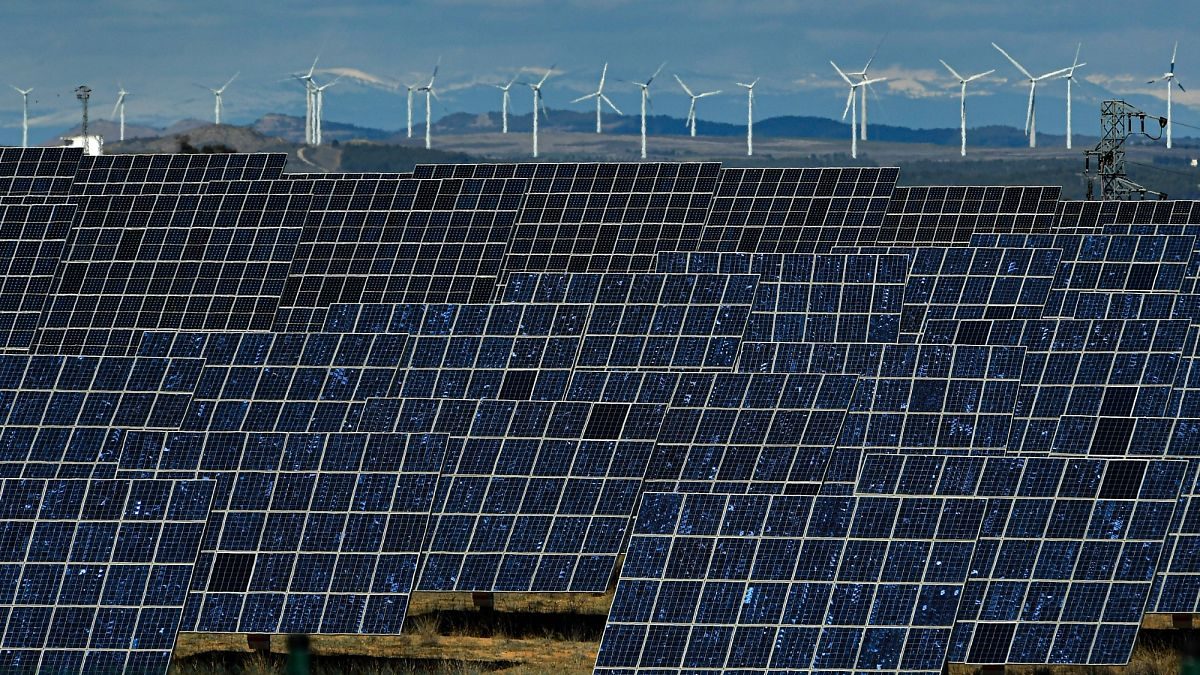
This expansion addresses a growing structural flaw in Europe’s green transition. While renewable sources supplied 44 per cent of EU electricity recently, the bloc lacks the infrastructure to absorb seasonal surpluses, leading to wasted clean energy and continued reliance on imported fossil fuels.
The economic cost of this bottleneck is already visible in wholesale markets. In the first quarter of 2026, EU day-ahead markets recorded 1,223 hours of negative electricity prices, roughly double previous levels, with Germany and Spain among the hardest hit.
Jacopo Tosoni, Deputy Secretary General at Energy Storage Europe, warned that the bloc is already experiencing a form of gridlock. "Negative prices are becoming common because we have a surplus of renewables and not enough storage to use that power later," he said.
The urgency is compounded by surging electricity demand across the continent. The International Energy Agency projects that AI and data centre consumption will double by 2030, exceeding 28 gigawatts. Simultaneously, the EU plans to deploy 30 million electric vehicles and 50 million heat pumps by the end of the decade.
Despite the new pledges, the 2028 target remains well short of the European Commission’s goal of 200 gigawatts of storage by 2030. Walburga Hemetsberger, CEO of SolarPowerEurope, noted that while the agreement is a "very good first step," the real test lies in implementation.
Hemetsberger emphasized that battery storage is the true "game changer" for the grid. She noted that scalable battery installations could cut 55 billion euros annually from power system operating costs while reducing gas imports.
To bridge the investment gap, the European Investment Bank plans to expand its €500 million corporate power purchase programme to include storage solutions. Seventeen countries have already submitted concrete national commitments, including 11,000 megawatts from Poland and 5,000 megawatts from Austria.
However, the agreement is not legally binding, requiring strict annual monitoring by the European Commission to ensure delivery. For households and businesses, successful deployment is the most viable path to decoupling retail electricity bills from volatile gas prices.
"Electricity prices are currently set by the most expensive generator needed to meet demand, and that's gas," Tosoni said. Removing gas from the peak-demand equation through stored renewable energy is the only way to drive costs down permanently.