Casa Batlló uses AI and 3D scanning to reveal hidden details of Catalan modernism
A new exhibition at Barcelona’s Casa Batlló merges historical archives with artificial intelligence, demonstrating how European cultural institutions are leveraging advanced technology to extract fresh value from heritage assets.
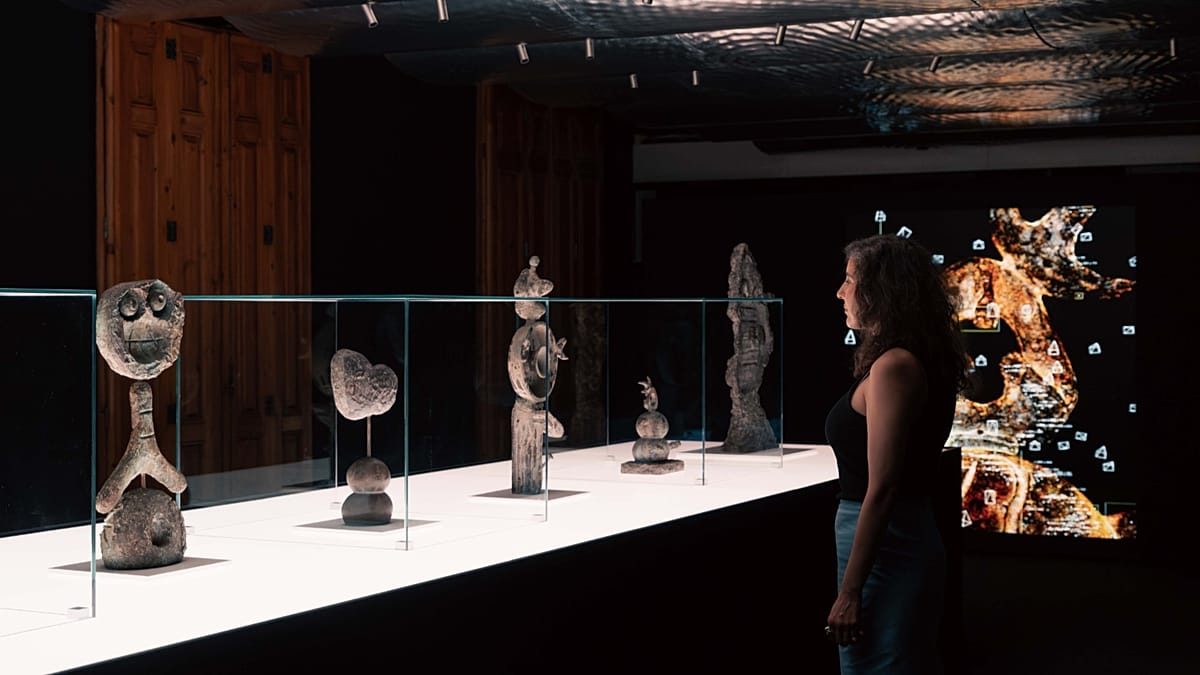
Casa Batlló in Barcelona has opened a reimagined exhibition titled "Gaudí–Miró–Gomis: Deconstructed," utilizing artificial intelligence and 3D scanning to explore the creative links between architect Antoni Gaudí, artist Joan Miró, and photographer Joaquim Gomis. The showcase is housed on the newly restored third floor and runs until January 2027.
Developed in partnership with the Fundació Joan Miró and creative studio Tomorrow Bureau, the project reflects a broader shift among European heritage sites deploying digital tools to modernize visitor experiences. By applying high-resolution photogrammetry and generative AI, the exhibition exposes tool marks and weathering on Miró’s sculptures that remain invisible to the naked eye.
The presentation also highlights the historically overlooked role of Joaquim Gomis. At a time when Barcelona’s artistic establishment dismissed Gaudí’s work as eccentric, Gomis documented the architect’s forms and textures, fundamentally shaping how later generations interpreted his vision.
Joana Seguro, co-curator and artistic director of Casa Batlló Contemporary, noted that the collaboration began with a dialogue about the impact of the building on Miró’s transition into three-dimensional art. "We commissioned Tomorrow Bureau not only to create the digital pieces, but also the set design and the audio soundscapes," Seguro said.
This approach allows the studio to deconstruct physical objects without the limitations imposed by conservation requirements or gravity. Seguro explained that the team is using artificial intelligence to transform Gomis’s 1940s photographic archive into a living database, creating new digital artefacts with contemporary techniques.
For the broader cultural sector, this model illustrates how digitization can unlock previously inaccessible archives. Seguro pointed out that a newly created digital carousel now makes Gomis’s entire digitized archive accessible to the public, offering a flexibility that physical exhibitions cannot match.
The exhibition underscores the continued relevance of Catalan modernism in the digital age. "Someone called Gomis the creator of Photoshop," Seguro observed, emphasizing that the experimental spirit of these historical figures aligns closely with the technological innovations reshaping Europe’s creative industries today.
I prefer this response