Texas surf real estate stall shows limits of artificial wave boom
The halt of a celebrity-backed Texas surf park amid millions in contractor liens reveals that artificial wave projects are fundamentally real estate gambles where infrastructure trumps technology.
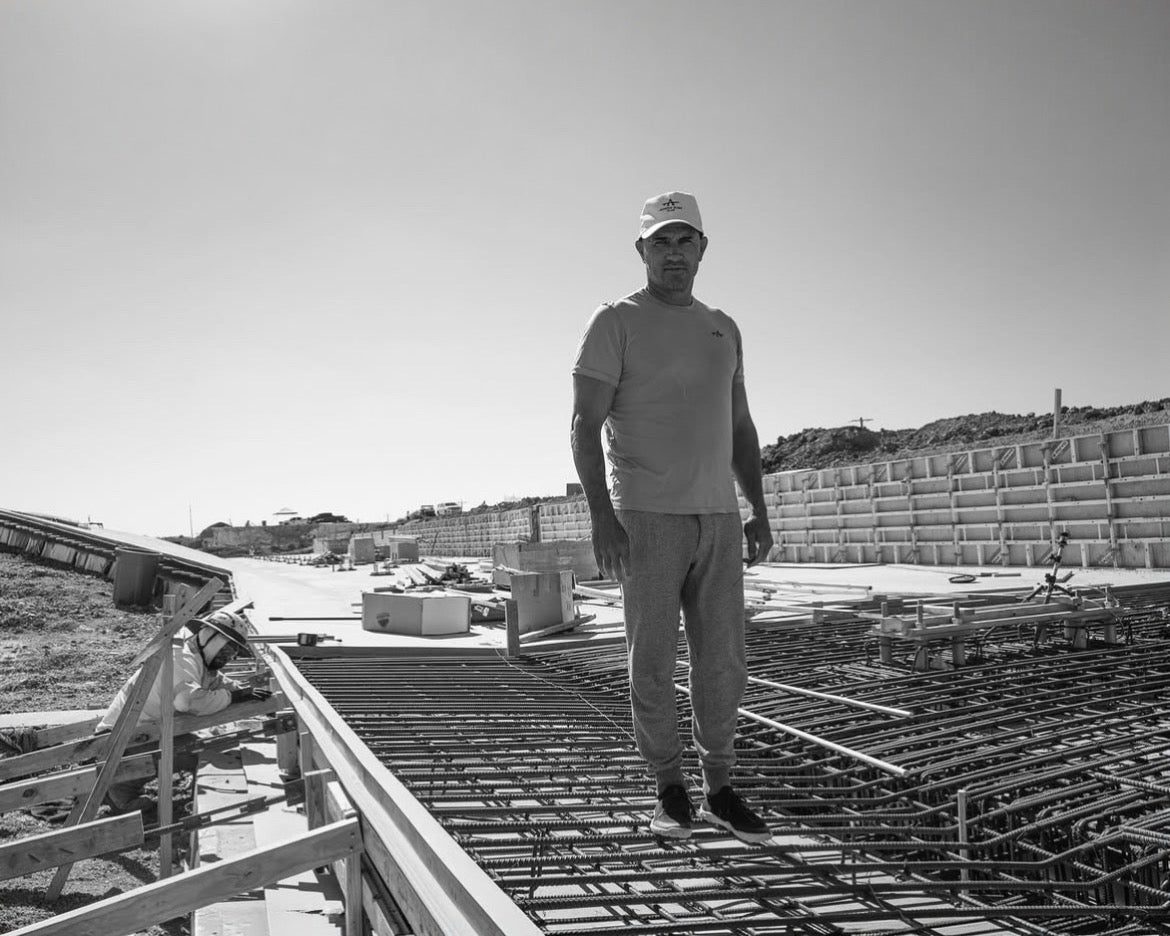
Work on the Austin Surf Club, an ultra-private development backed by 11-time world champion Kelly Slater, stopped in April. Contractors have since filed more than $16 million in liens against the project, up from $4.6 million just months ago. A 333-acre plot east of Austin-Bergstrom International Airport has now effectively stalled two major artificial wave ventures.
This latest project sits on the grave of NLand Surf Park, which opened in 2016 as the first public Wavegarden facility in North America. NLand closed after two years, defeated by a regulatory fight with Travis County. Austin Surf Club’s developers, led by Discovery Land Company, are now seeking a special tax district to raise roughly $171 million to fund essential roads, wastewater, and utilities.
For the wave-technology sector, the Texas struggles prove a blunt truth. "Artificial surf is a real-estate business wearing boardshorts." The technology itself takes a back seat to the unglamorous mechanics of utilities, zoning, jurisdiction, and financing. European tech firms providing the wave-generating equipment are only as successful as the local real estate developers laying the pipes.
On paper, the Austin project should be resilient. Developers reportedly raised roughly $66 million from investors, with homes averaging around $2.25 million and memberships near $1.25 million. The proposed buyer list includes Matthew McConaughey, Tony Hawk, and Drew Brees. Yet the mounting liens suggest the contractors actually building the site are losing faith in the timeline.
The contrast with California highlights that the business model works when the groundwork is handled first. Palm Springs Surf Club is already operating, and Coral Mountain is progressing. DSRT Surf in Palm Desert has filled its Wavegarden Cove lagoon and is targeting a summer opening, with the capacity to produce up to 1,000 waves an hour.
Texas developers continue to plan massive wave-centred communities. SonWest’s $1.5 billion Pura Vida community in Mustang Ridge cleared a key approval last fall, and Surf Lakes has signed an exclusive territory agreement for Austin. But until developers finish building the infrastructure that makes these isolated sites habitable, the scoreboard remains unchanged. Texas dirt has beaten the wave pool industry twice, and technology alone cannot change that dynamic.