Fogerty reclaims Fortunate Son rights and condemns its political misuse
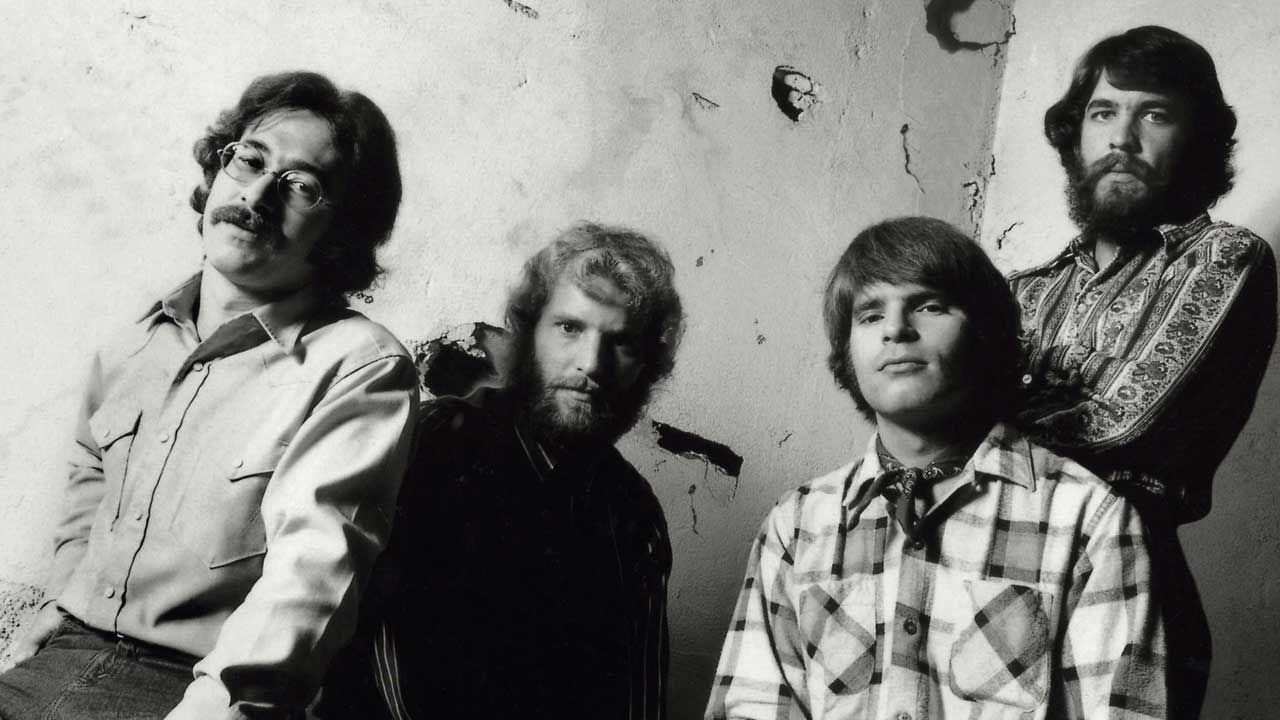
More than fifty years after its release, John Fogerty has rerecorded his anti-elitism anthem Fortunate Son after regaining its publishing rights, while continuing to challenge conservative politicians who misappropriate the track.
John Fogerty has rerecorded the Creedence Clearwater Revival classic Fortunate Son for his 2025 collection Legacy: The Creedence Clearwater Revival Years. This release marks the culmination of a half-century legal battle, finally returning the publishing rights of the 1969 anthem to its original songwriter.
Regaining control over his catalogue allows Fogerty to dictate how his work is presented and licensed. For the broader music industry, this underscores the enduring financial and cultural value of legacy publishing rights, alongside the growing movement of veteran artists reclaiming their intellectual property from historic corporate agreements.
Despite its explicit origins as a critique of class and elitism during the Vietnam War, the song remains a staple at rallies for the current US presidential incumbent. Fogerty has repeatedly pushed back against this appropriation, issuing a cease-and-desist notice in 2020 and publicly highlighting the president’s five draft deferments.
Written in 1969, the track was inspired by the lavish New York marriage of David Eisenhower and Julie Nixon. Fogerty viewed their union as a metaphor for political privilege, noting in his 2015 memoir that the sons of powerful figures avoided military service while ordinary citizens were sent to war.
In a 2025 interview, Fogerty described the track as his most misunderstood song, noting it is frequently co-opted by conservative and right-wing figures as a patriotic anthem. He emphasized that the lyrics deliver cynicism and absolute defiance, rather than nationalist celebration.
The song’s cultural weight was formally recognized in 2014 when it was added to the Library of Congress’s National Recording Registry. Its visceral, two-and-a-half-minute runtime has also made it a frequent subject of covers by major artists, including U2, Bruce Springsteen and the Foo Fighters.
By placing the newly rerecorded version as the final track on his legacy album, Fogerty cements the song’s status as an emphatic rebuke to privilege. It serves as a lasting reminder that artistic intent can outlive both protracted legal disputes and political misappropriation.