SoftBank forecasts $5tn annual AI spending by 2040 amid surging energy demands
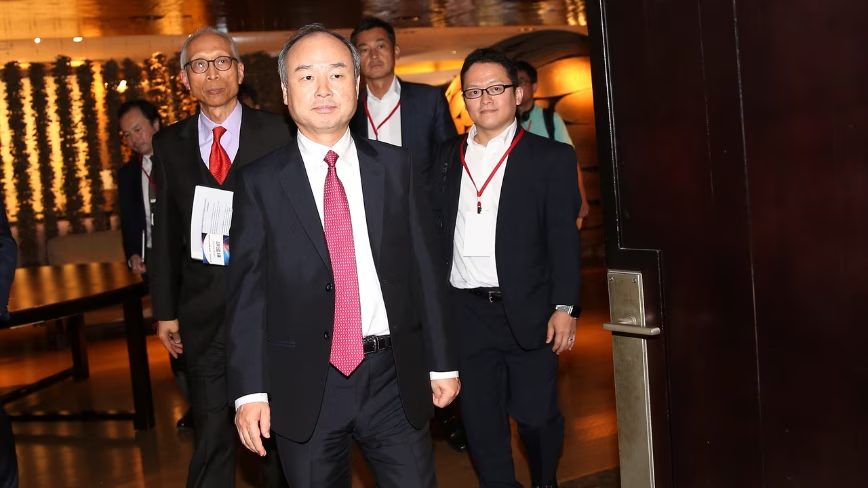
Masayoshi Son has outlined a staggering $5 trillion annual price tag for artificial intelligence by 2040, underscoring the immense capital and physical constraints that will test global markets and investors.
Masayoshi Son declared at SoftBank’s annual corporate conference in Tokyo on Tuesday that building artificial intelligence will cost $5 trillion, or 800 trillion yen, every year by 2040. The SoftBank chief did not provide a detailed arithmetic model for the figure, but insisted the spending would be a mere rounding error if AI revenue reaches 20 per cent of global GDP.
Son also dismissed concerns over an artificial intelligence bubble as absurd, stating that critics simply do not understand the technology. This conviction underpins SoftBank’s aggressive strategy, with its cumulative investment in OpenAI projected to exceed $60bn before the end of 2026.
This expansive programme, which includes financing data centres and acquiring robotics firms, is partially funded by a $40bn bridge loan syndicated across a group of banks. The stated goal is to transform SoftBank into a core platform of the AI era, though the market remains equivocal on whether future returns will justify the ballooning capital expenditure.
Investors are watching closely, as SoftBank briefly overtook Toyota as Japan’s most valuable listed company earlier this year. The conglomerate last held that position in February 2000, shortly before its shares plummeted by roughly 90 per cent, echoing the mixed legacy of a leader who backed both early Alibaba and the bankrupt WeWork.
The energy and autonomy bottleneck
Beyond capital, Son highlighted a severe physical constraint, predicting that AI data centres will require three terawatts of power generation by 2040. This represents 1.8 times total current global power consumption, a demand he expects to be met initially by gas before nuclear fusion takes over.
When questioned about alternatives like orbital solar power, Son dismissed space-based data centres and argued that earth-bound fusion will ultimately prove the cheaper and cleaner energy source. He further predicted that 100 trillion AI agents will operate and communicate independently by 2040.
"We will go from a human-centric world to an agent-centric world," Son said, adding that the age when humans are the highest life form on earth will end.
At 68, Son has requested another decade to see this thesis through, leaving the $5 trillion annual forecast on the record. For global markets and European policymakers alike, the coming years will test whether such monumental financial and energy commitments can be sustained without triggering a severe correction.