EU prepares unilateral tariffs on Chinese imports before October deadline
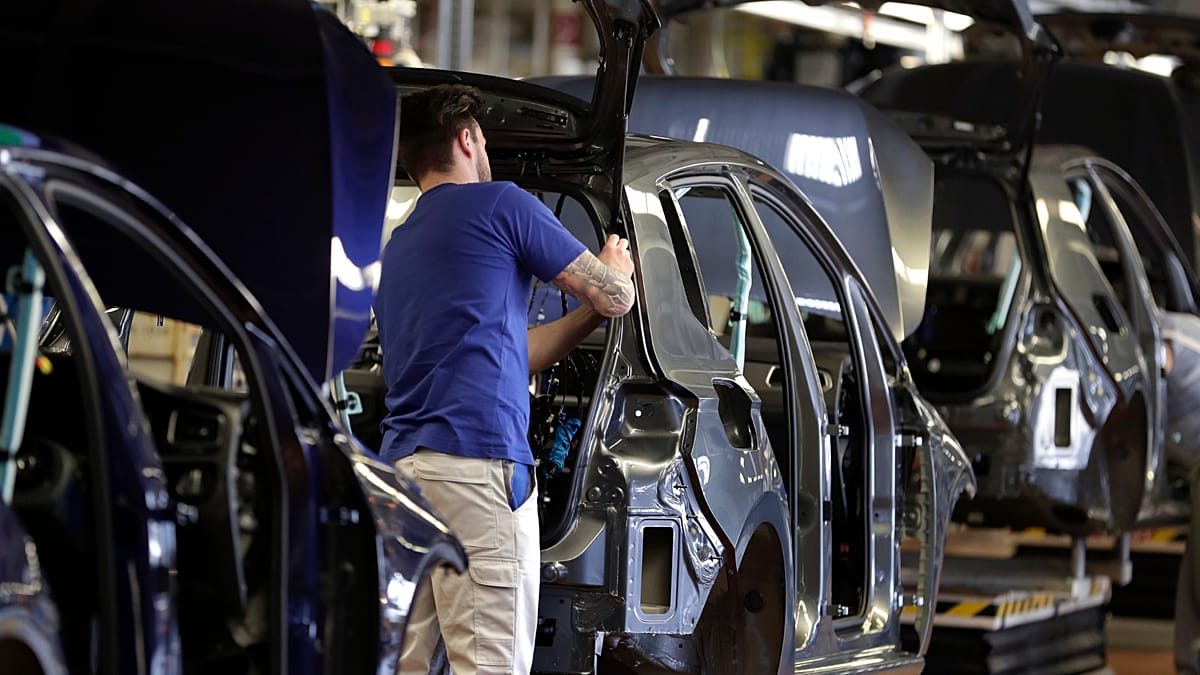
The European Commission will bypass stalled talks and impose unilateral trade defences against China to protect its manufacturing base, signalling higher costs for importers and a looming risk of retaliation.
The European Commission is preparing to implement unilateral trade defence measures against China before an October deadline, abandoning hopes that negotiations alone will solve the bloc's growing trade imbalance.
Denis Redonnet, the EU's Deputy Director-General for Trade, told MEPs on Tuesday that “dialogue alone will not suffice” to protect the European industrial base from a flood of cheap Chinese goods.
The move marks an escalation in Brussels' response to Chinese overcapacity, setting the stage for higher costs on a wide range of goods. European manufacturers in sectors like steel, chemicals, machine tools and electronics stand to benefit from reduced competitive pressure, but companies reliant on cheap Chinese imports will face higher input costs.
Brussels is already moving on this front. On July 1, it doubled tariffs on certain steel imports and reduced quotas for the sector. Redonnet indicated that similar safeguards could be applied to other industries in the coming weeks. The Commission also plans to defend the market product by product, launching an anti-dumping probe into Chinese Peking duck producers just last Thursday.
“What can we do ahead of that October deadline? We'll look at a number of sectors, we'll try to start rebalancing and rein in the export levels,” Redonnet said. He noted it is highly likely unilateral measures will be adopted at the EU level in parallel with ongoing discussions.
Internal divisions pose a risk
The strategy faces a significant hurdle within the EU itself. Deploying trade safeguards requires the backing of a majority of member states, and national economic interests sharply diverge across the bloc.
“If we had to defend European manufacturing in two to three member states, we would need the backing of a majority of all member states. And those other member states may be focused on users' interests rather than producers' interests,” Redonnet warned.
To bridge this gap, the Commission is developing a solidarity mechanism to financially compensate the countries most heavily hit by Chinese import surges.
The broader geopolitical stakes remain high. Negotiations between Brussels and Beijing began last month to reduce a record deficit that now exceeds €1 billion a day. Beijing has repeatedly threatened retaliation if the EU closes its market, leaving investors to weigh the benefits of domestic industry protection against the risks of a broader trade conflict.
EU leaders gave the Commission this dual mandate in mid-June: engage with China while keeping all defensive options on the table. The planned unilateral measures show Brussels is now heavily weighting the latter half of that instruction.