Lviv draft riot exposes Ukraine's deepening mobilisation crisis
A violent riot against draft officers in Lviv highlights a severe manpower shortage and eroding public trust that threaten Ukraine's ability to sustain its defence, forcing Kyiv to overhaul conscription and rely on foreign fighters.
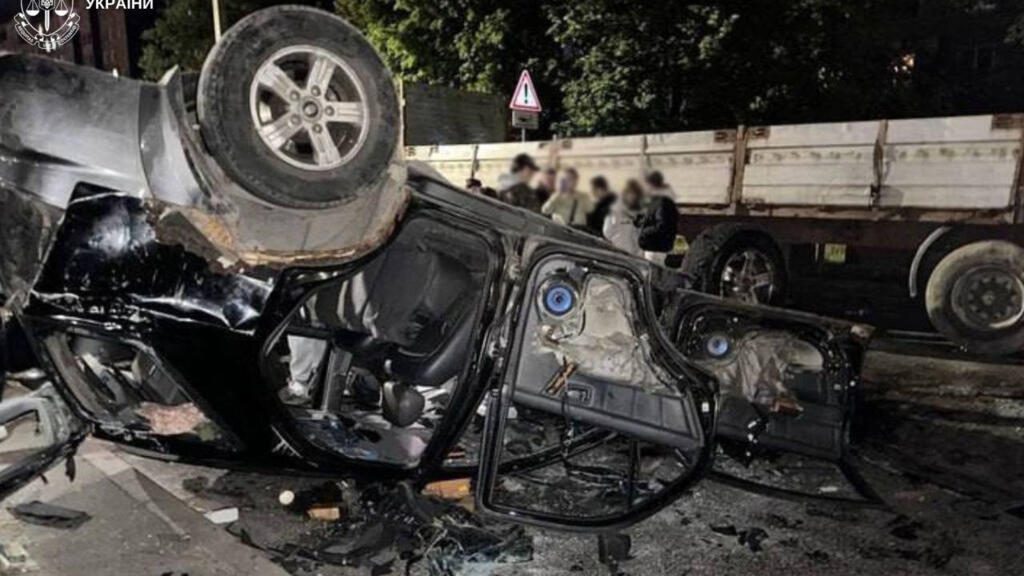
A crowd of around 200 people attacked draft officers in the western Ukrainian city of Lviv last week, tipping over their vehicle and injuring a police officer. The confrontation erupted after territorial recruitment officers stopped men in the street to check their documents and detained them for medical exams. While more dramatic than most, the riot is part of a sharp escalation in violence against conscription personnel.
Police recorded just five attacks on draft officers in 2022, but that figure jumped to 341 last year. In the first four months of 2026 alone, there have been nearly 120 clashes, including the fatal stabbing of an officer in April. Complaints to the Ukrainian Parliament Commissioner for Human Rights have followed a similar trajectory, surging from 18 in 2022 to 6,127 last year.
The unrest reflects a critical shortage of combat troops after more than four years of grinding war. The US-based Centre for Strategic and International Studies estimated this month that Ukraine has suffered 635,000 casualties since February 2022. With voluntary enlistments dropping sharply since the spring 2023 counteroffensive, Kyiv has had to rely heavily on forced conscription to replace losses.
This reliance has fuelled public anger, particularly over a practice known as "busification," where officers press-gang men off the streets. A March analysis by the Carnegie Endowment for International Peace noted that "highly visible cases of abusive practices, legal overreach, and selective enforcement of mobilisation have undermined Ukrainians’ perception of the process’s legitimacy, increased public anxiety, and provided fertile ground for Russian information operations."
Ryhor Nizhnikau, a senior research fellow at the Finnish Institute of International Affairs, said the sheer lack of manpower has forced the state's hand. "It’s quite banal, but there is a real lack of manpower, which makes the state more aggressive and more assertive in trying to find people," he said. "Which was obviously not the case two or three years ago, when so much of the mobilisation was based on volunteers."
For European capitals bankrolling Ukraine's defence, the internal fracture is a significant risk to long-term security planning. In June, Defence Minister Mykhailo Fedorov announced sweeping reforms to stabilise the ranks, including fixed-term contracts of six to 14 months and pay rises. The ministry also hinted at the long-awaited demobilisation of troops serving since 2014.
Fedorov revealed that an estimated two million Ukrainians are evading the draft, while 200,000 have abandoned their posts without leave. To fill the gap, Kyiv is now looking abroad, stepping up the recruitment of foreign nationals to eventually comprise up to half of its high-risk infantry and assault troops.
The social toll of the crisis was evident in the aftermath of the Lviv riot. Several participants, including teenagers, later appeared in forced video apologies posted by military Telegram accounts. Nizhnikau warned that the draft dysfunction is creating deep friction between civilians and those already fighting. "There’s a huge conflict between different social groups, because one of the key issues … is that people who are now in the army see that there are no lines of people who want to serve, and mobilisation is done by force," he said. "So, they see it as, ‘okay, I might be demobilised in two years, but they don't recruit people who will come in.’"