French quantum firm Pasqal seeks $2bn US listing with state veto
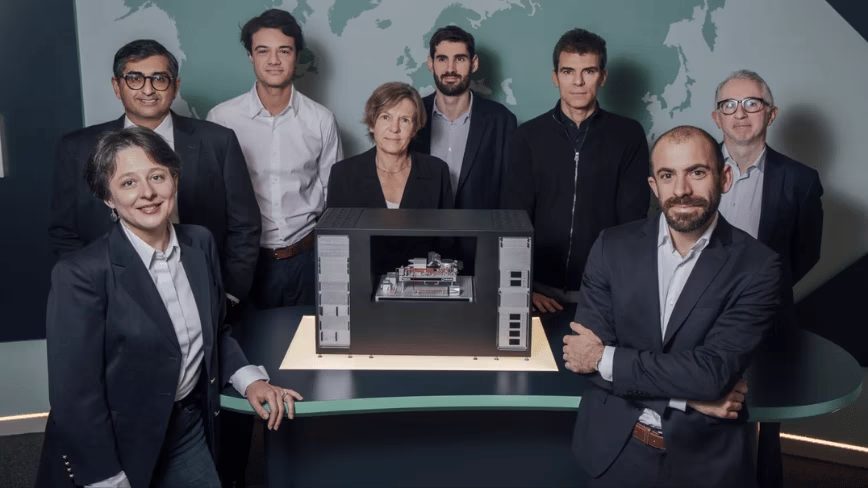
French quantum computing firm Pasqal is heading to Nasdaq at a $2bn valuation, exposing the tension between Europe’s desire to control strategic technology and its inability to finance it at home.
French quantum computing company Pasqal is going public in the United States through a merger with Bleichroeder Acquisition Corp. II. The deal values the Paris-based firm at $2 billion before cash and is expected to generate roughly $500 million in gross proceeds. The combined entity, named Pasqal Holding SA, aims to close on the Nasdaq in the second half of this year, according to a Form F-4 filed with the SEC on May 26 and amended a month later.
Pasqal recorded €16.5 million in revenue in 2025, meaning the $2 billion valuation represents roughly 100 times sales. Chief executive Wasiq Bokhari argues this is a relative bargain compared to peers like Quantinuum, which listed recently and trades near a $20 billion market cap at roughly 647 times its 2025 revenue. The disparity shows that quantum valuations rest entirely on future potential rather than current commercial performance.
The company’s filings are notably candid about that potential. They explicitly warn that “commercial traction of quantum computing technology may never occur” and that the machines may ultimately fail to deliver. For investors, this is a long-term bet on an unproven technology functioning at scale.
Beyond the technological risk, the documents reveal a political complication unique to European strategic assets. Pasqal operates under what the filings term “French state influence.” Any investor from outside France or the European Union seeking a significant stake must first secure authorisation from the French Ministry of the Economy. Paris effectively holds a veto over the company’s ownership structure.
This mechanism captures the central contradiction in Europe’s approach to building technology champions. Policymakers want to foster global leaders and protect critical infrastructure, but rigid sovereignty controls make European companies harder to sell to international capital.
The dynamic explains why Pasqal, like the European quantum firm IQM before it, chose to list in America. Bokhari cited the depth of US capital markets as the primary driver. European deep-tech firms are increasingly following the money across the Atlantic because local markets lack the patient, abundant capital needed to fund hardware development.
The result is an awkward reality for the continent. Europe is developing advanced companies in sectors it deems vital to its future, only to watch them fetch their valuations and raise their growth capital abroad. Pasqal’s $2 billion gamble shows exactly why: building a quantum champion requires vast sums of money, but asking global investors to accept both a high-risk technology and a French government veto is a difficult pitch to make in Paris.