Licence fee collapse pushes BBC to brink, warning for European media
The BBC has warned its funding model faces "real jeopardy" after licence fee income fell by a quarter in real terms, highlighting a structural threat to European public broadcasters from US streaming platforms.
The BBC’s annual report has laid bare a structural funding crisis, revealing that the number of households paying the television licence fee fell by half a million last year. The total number of licences in force has now dropped by two million, or 8%, over five years to 23.3 million.
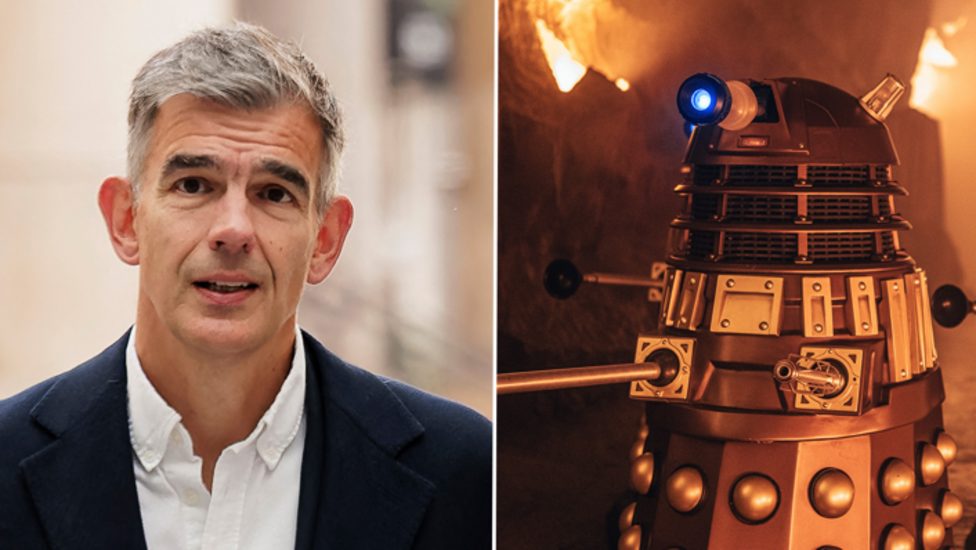
Director General Matt Brittin described the situation as "a moment of real jeopardy, not just for the BBC but for public service broadcasting and the UK as a whole". The blunt language is a deliberate overture to a new prime minister ahead of the broadcaster's charter renewal next year.
For European media markets, the BBC’s maths are a cautionary tale. Its licence fee income—its primary funding source—has been effectively cut by £1.2 billion, or roughly a quarter, since 2017 when accounting for inflation. This erosion stems from government-mandated fee freezes and an accelerating shift in consumer habits away from live broadcast television.
The report highlights a monetisation gap that plagues European public service broadcasters competing with American tech giants. While 94% of UK adults use the BBC each month, fewer than 80% of households pay the fee. The BBC argues the model is a "busted flush" focused on "yesterday's behaviour", pointing out that audiences are migrating to global streamers and YouTube.
The generational divide is stark. While 95% of over-55s use the BBC weekly, YouTube is now the dominant media brand for under-35s. The BBC remains the only domestic media brand in the top five for young audiences, but its reliance on a traditional television tax leaves it structurally exposed to Silicon Valley.
To secure its future, the BBC is pushing for a new funding model and has previously floated a corporate levy on global streaming platforms. However, Culture Secretary Lisa Nandy has already ruled out a streamer tax, general taxation, or allowing advertising. The political deadlock leaves the corporation searching for alternative revenue as it devolves 59% of its network TV budget outside London to support regional economies.
The financial strain is compounded by acute legal risks. The BBC is fighting a $10bn (£7.45bn) lawsuit from US President Donald Trump over a Panorama documentary. Against a total annual income of £3.88bn from the licence fee and £2.15bn from commercial operations, the report concedes "no provision" has been made for a potential payout.