xAI caught running 59 unpermitted gas turbines for AI data centre
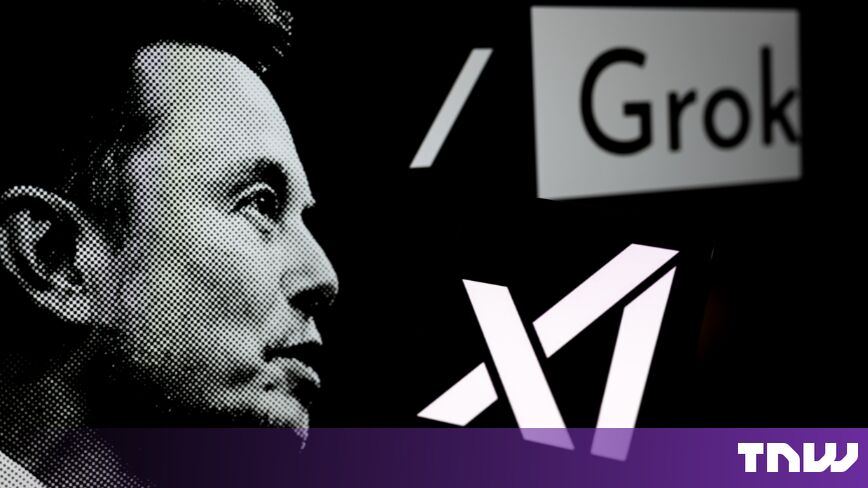
Elon Musk’s xAI has been running dozens of unpermitted gas turbines to power a data centre across a state line, exposing how the AI industry's immense energy demands are clashing with US environmental law and marginalised communities.
Elon Musk’s xAI is operating 59 unpermitted gas turbines in Southaven, Mississippi, to power its Colossus 2 data centre across the state line in Memphis, Tennessee. The figure, revealed in emails between regulators and xAI consultants obtained through a public records request, is roughly double the 27 unpermitted units the company publicly acknowledged in January.
xAI and its subsidiary MZX Tech argue the turbines are exempt from federal clean air permits because they are mobile units intended to run for less than a year. The Mississippi Department of Environmental Quality agrees, stating that "portable/temporary turbines do not require an air permit." However, the Environmental Protection Agency has previously stated that temporary turbines exceeding emissions thresholds must be permitted, though it is now weighing "regulatory flexibilities."
The environmental scale is significant. Based on manufacturer specifications for 32 of the units, operating just 30 turbines at typical capacity could emit roughly 2,500 short tons of nitrogen oxides, 4,000 short tons of carbon monoxide, and 22 tons of formaldehyde annually. That dwarfs the 100-short-ton threshold that triggers federal permitting under the Clean Air Act. Nicholas Mailloux, a postdoctoral researcher at the University of Wisconsin-Madison, noted such a facility would rank among the 25 highest nitrogen oxide emitters of any US gas plant.
The geography of the pollution is drawing intense scrutiny. By siting the turbines in Mississippi, xAI ensured that the predominantly Black residents of nearby Memphis have no standing in the state’s permitting process. Within a five-mile radius of the Southaven site, 94% of residents on the Tennessee side and 46% on the Mississippi side are Black. Asthma and chronic obstructive pulmonary disease rates exceed county averages in 27 of the 28 local census tracts.
Residents like Ervin Laws, who lives near the plant, say the units sound like jet engines. “I can’t do anything about it, because he’s got more money than me,” he said. The NAACP and the Southern Environmental Law Center have sued to halt the turbines. “The scale of it is astonishing,” said Patrick Anderson, an attorney for the SELC.
However, the US Justice Department intervened in June on xAI’s side, arguing that curbing the turbines threatens national security because Grok supports US military operations, including in Iran. For European investors and regulators, the dispute highlights a stark transatlantic divergence in how AI infrastructure is governed. While the EU attempts to bind AI development to strict environmental and transparency rules, US firms are leveraging legal loopholes and national security exemptions to rapidly deploy highly polluting infrastructure.
Sarah Gladney, a 72-year-old resident of a historically Black neighbourhood near the original Colossus plant, captured local fears about unchecked expansion. “Once they got their foot in the door in Memphis, I feel like it’s going to be a continuous movement of xAI into these other communities,” she said.