Sanctioned tankers carry Russian LNG modules through EU waters
Two sanctioned tankers carrying critical equipment for Russia's future Arctic LNG exports are sailing unchallenged through European waters, exposing a damaging enforcement gap as Brussels negotiates its 21st sanctions package.
The vessels Glory Ocean and Bright Ocean are currently transiting Norwegian waters after passing through Irish, British, and Danish seas. Both ships are carrying critical module components destined for Novatek’s Arctic LNG expansion projects at the Russian port of Belokamenka. They are travelling under false Malian flags while remaining on the Russian maritime register, a standard tactic used to circumvent European restrictions.
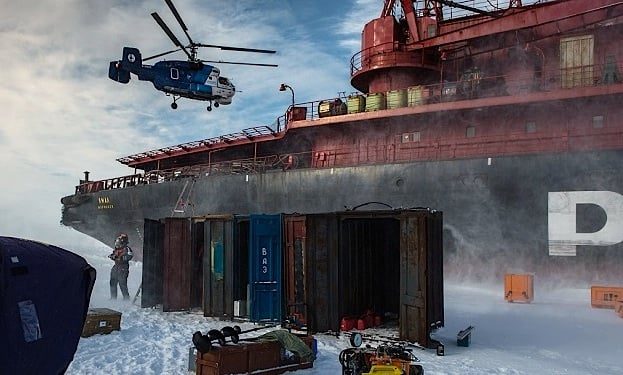
This cargo does not supply today's battlefield. Instead, the oversized steel pieces are essential for completing infrastructure like the Murmansk LNG project. That facility would be served by an ice-free port connected to new pipelines rather than relying on a limited fleet of specialised Arc7 ice-class tankers. Removing these logistical constraints allows Moscow to scale up liquefied natural gas exports and secure a long-term revenue stream to sustain its war economy, particularly as domestic oil production shows signs of decline.
The transit presents a direct challenge to Brussels as diplomats negotiate the bloc's 21st sanctions package, which aims to further restrict vessels and choke Russian energy revenues. The unimpeded passage of these ships demonstrates that simply designating vessels is insufficient. Sanctions only carry economic weight when they are physically enforced; otherwise, they risk functioning as political theatre rather than a genuine disruption to Russian infrastructure.
History proves that coordinated action can disrupt these supply chains. In 2024, sustained sanctions pressure forced a similar shipment bound for Arctic LNG 2 to turn back before reaching Russian territory. The window to repeat that success is narrowing rapidly as the two tankers approach their destination. Once the modules are unloaded and integrated into Russia's LNG infrastructure, the opportunity to stop them disappears.
The continued flow of capital complicates the broader economic strategy. Research from Urgewald indicates EU member states imported 91 cargoes from Russia’s Yamal LNG project in the first four months of 2026 alone, worth an estimated €3.88bn. These purchases funnel money directly to a regime funding daily attacks on Ukrainian cities while simultaneously building the next generation of Arctic export terminals.
Russia remains heavily dependent on Western technology and specialised logistics for its Arctic export system, presenting a clear vulnerability. The 21st sanctions package offers an opportunity to target the maritime services and engineering companies enabling these projects. If the EU and its partners fail to intercept these vessels before they reach port, the message to Moscow will be that European restrictions remain negotiable.