Directory maps 297 global community radio stations
A new interactive directory has launched to document nearly 300 community radio stations worldwide, offering a unified map of the independent cultural infrastructure that European cities rely on to counter algorithmic platforms.
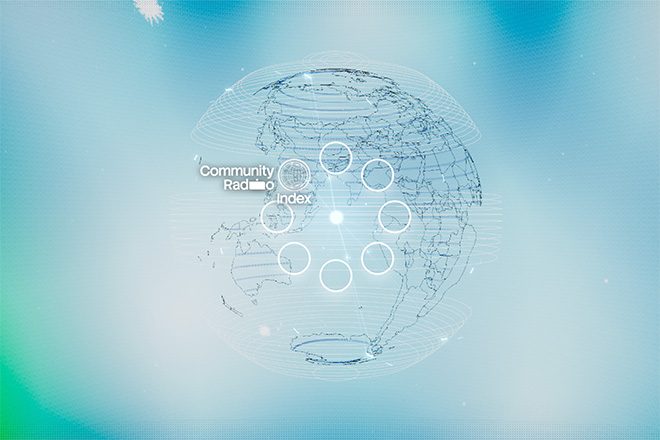
A new interactive platform, the Community Radio Index, has launched to map almost 300 community radio stations across the globe. The directory allows users to rotate a virtual globe, click on specific countries or cities, and stream independent broadcasts instantly.
The index currently features 297 stations, pinpointing major European cultural nodes like Berlin’s Refuge Worldwide and Brussels’ Kiosk Radio alongside smaller operations stretching from the Azores to Indonesia. Users can listen to live feeds, save favourites, and access each station's description and social media channels.
The project is the work of DJ and CTM co-curator Opium Hum, radio specialist Robbie Makes Radio, Bristol audiovisual artist Nov3c, and DJ-turned-visual artist Lukasopp. "To our knowledge, it’s the first centralised effort to document a majority of the world's operating online community radio stations in a single resource," the team announced yesterday.
Cultural infrastructure vs algorithms
For Europe’s urban economies, community radio represents a vital layer of independent cultural infrastructure that often goes unmeasured. These stations operate as grassroots hubs that support local artists, DJs, and broader nightlife ecosystems entirely outside corporate media and streaming monopolies.
The creators frame the directory as a response to the growing dominance of algorithmic media. "Community radio sits at the intersection of culture work and grassroots activism, and in a time when more and more of our cultural life is threatened by algorithmic monoculture, this work feels increasingly urgent," they said.
This mapping effort highlights what is at stake for local economies if these grassroots networks disappear. "These stations and projects maintain spaces of artistic possibility and cultural resistance, so this is as much of a story about what independent music infrastructure looks like in 2026, as about what gets lost if these spaces aren't actively maintained," the team explained.
The index is actively accepting public submissions to capture overlooked stations. The team plans to expand the platform into a comprehensive directory documenting the hosts, curators, and volunteers whose labour sustains this independent cultural sector.