Uber trades robotaxi tech for regulatory control of the road
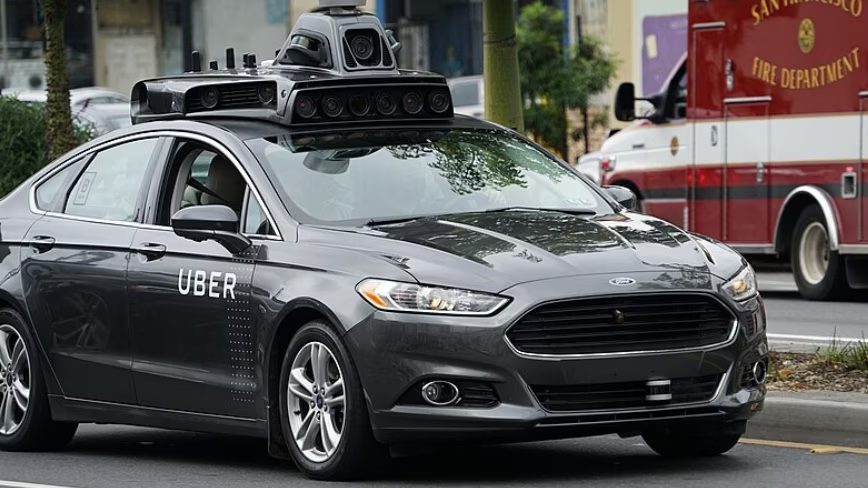
Having failed to build its own self-driving car, Uber is lobbying US states to force autonomous rivals onto its platform, a regulatory playbook that could soon reach European capitals.
Uber is lobbying lawmakers in Washington DC and New Jersey to mandate a "hybrid network" for autonomous vehicles, requiring robotaxi operators to run human-driven cars on the same platform.
Public records show the company wants legal guarantees that any driverless fleet shares an app with human drivers. In New Jersey, a draft proposal would mandate human drivers handle 85% of rides for three years. In DC, Uber is fighting legislation that would license fully driverless fleets funded by a per-mile tax and steep permit fees.
The strategy marks a pivot for a company that once tried to build the technology itself before selling its self-driving unit to Aurora in 2020. Having lost the hardware race to companies like Waymo, which operates over 500,000 rides a week across 11 cities, Uber is betting its value lies in owning the software dispatch.
Uber’s policy chief, Javi Correoso, told a DC Council roundtable that a driverless-only market would create a monopoly and cost jobs, claiming one autonomous vehicle displaces roughly four drivers. "There should be a requirement for consumers to be able to take an Uber that’s driven by a human," he said.
Critics view the hybrid mandate as a barrier to competition. Greg Rogers of think tank The Innovation Majority called the effort "regulatory capture," arguing it simply forces rivals to pay rent to operate. Waymo, which backs the DC bill, opposes being confined to a competitor's app.
While this regulatory battle is playing out in the US, the implications for Europe are direct. Uber already has a robotaxi launch planned with WeRide in Madrid. As European regulators draft frameworks for autonomous transport, they will face the same fundamental question: whether to allow dominant ride-hailing apps to become mandatory gatekeepers for driverless rivals.
Control of the dispatch also means control of the data. Through a unit called AV Labs, Uber is equipping hundreds of cars with sensors to collect millions of miles of driving data to share with autonomous firms. As chief product officer Sachin Kansal told TechCrunch, Uber is "not in the race to be an L4 autonomy provider" but is instead "laying down the race tracks so we can work with multiple players."
This cooperative tone is new. Chief operating officer Andrew MacDonald wrote in May that the company has grown up and now "partner[s] with cities instead of confronting them." Yet the underlying economics remain unchanged: owning the interface between the rider and the vehicle is a choke point worth legislating to protect.