Energy spike from Iran strikes revives European rate hike bets
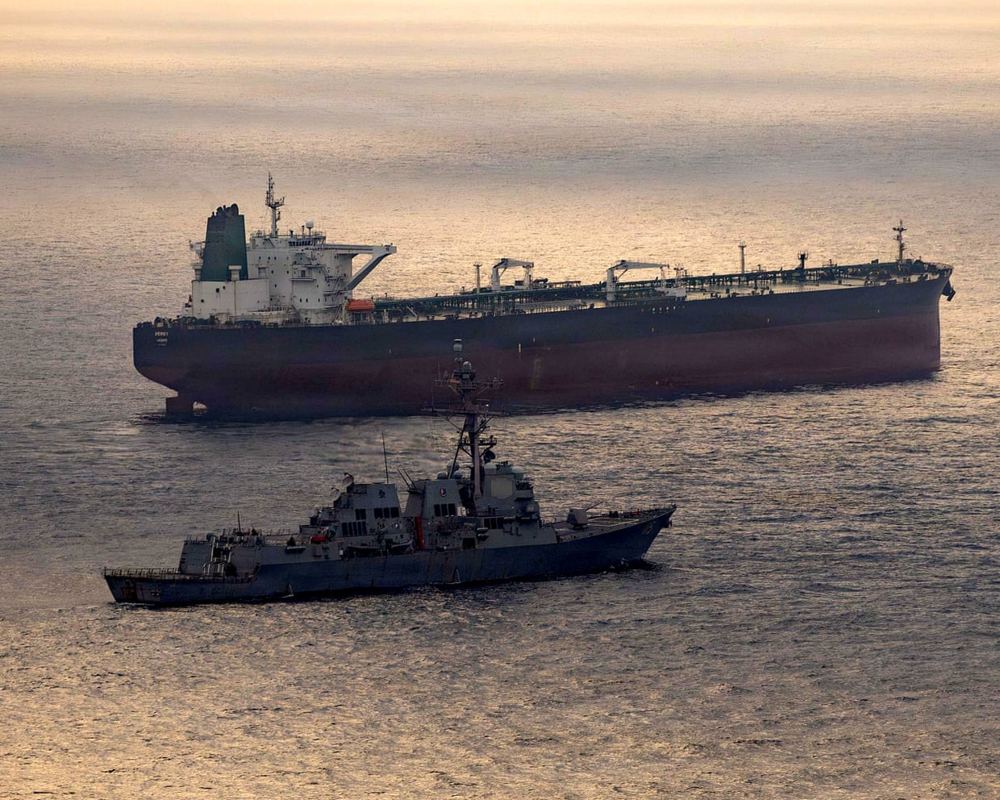
A sudden surge in oil and gas prices triggered by US strikes on Iran has forced financial markets to price in further interest rate hikes from both the European Central Bank and the Bank of England before year-end.
US military strikes against Iran for a third consecutive night drove a sharp increase in European energy prices on Tuesday, immediately altering the outlook for the continent's borrowing costs. Brent crude, the international benchmark, surged as much as 4.6% to $87.08 a barrel, its highest level in just over a month, before retracing to a 1% gain.
European natural gas markets reacted with similar force. The Dutch contract for August delivery, the regional benchmark, climbed nearly 3% to €52.8 a megawatt hour, marking the highest price since early April. In the UK, the equivalent August contract rose 3.3% to 129.4p a therm, a peak not seen in more than three months.
The market turbulence was heavily influenced by shifting rhetoric from Washington. The initial price jumps followed Donald Trump's declaration that the Strait of Hormuz would stay open "with or without Iran." He stated the US would require transiting ships to pay a 20% charge "for any and all costs necessary" to provide vessel safety. When Trump later abandoned this fee proposal, energy prices and equities partially recovered.
The most significant consequence for Europe is a sudden reversal in monetary policy expectations. Fears that elevated energy costs will reignite inflation forced traders to rewrite their rate forecasts. At the start of the month, when a fragile US-Iran ceasefire was in place, swaps priced less than a quarter-point of total tightening from the Bank of England and the ECB.
By Tuesday's close, those expectations had shifted dramatically. Financial markets are now pricing in a quarter-point UK rate rise by September, with a second increase expected by the end of the year. Traders forecast an identical path for the ECB, with a September hike followed by another in December.
Government debt markets reflected this renewed anxiety. The yield on the UK's 10-year gilt briefly surpassed 5% for the first time since May before settling at 4.97%. European equities initially bore the brunt of the repricing, with the Stoxx 600 dropping 0.5% and the FTSE 100 slipping 0.4%.
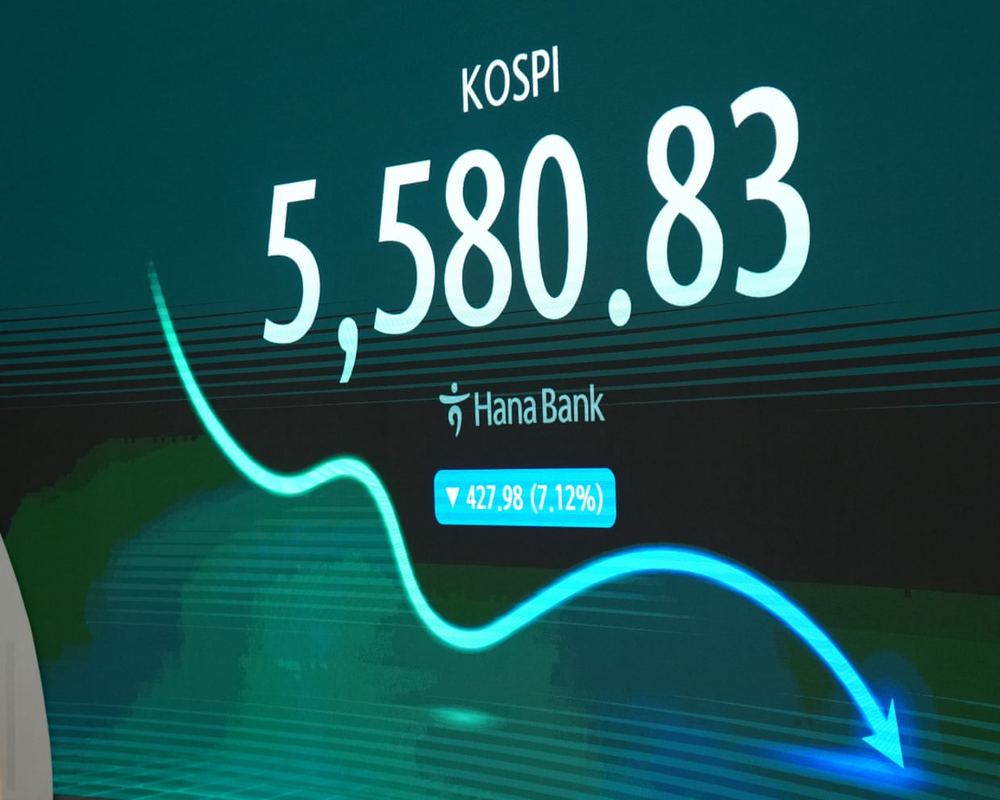
Both European indexes ultimately closed slightly higher after the transit fee plan was dropped. The FTSE 100 was supported by a 2.4% rise in BP and a 1.7% gain in Shell. Asian markets were more resilient, with tech shares lifting Japan's Nikkei 225 and South Korea's Kospi up 0.7% each, while China's Shanghai Composite added 1.4%.