SpaceX stock falls below IPO price in tech valuation reset
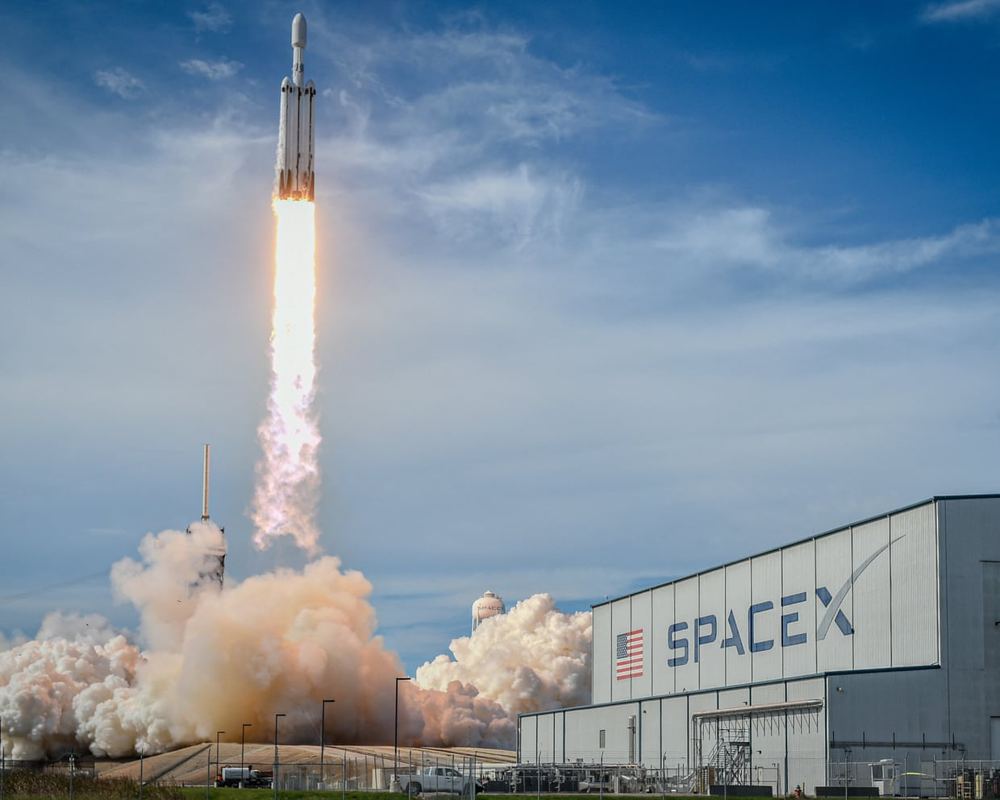
SpaceX shares have slipped below their listing price for the first time, signalling a potential reset in stretched global tech valuations that will test European investors' exposure to US AI infrastructure spending.
SpaceX shares fell 1.5% to $134 on Wednesday, dropping below the $135 initial public offering price for the first time. The slide comes just over a month after the company completed the largest IPO in history, a deal that briefly made Elon Musk the world’s first trillionaire and propelled its market valuation above $2.6tn.
The company’s valuation stood at $1.75tn by Wednesday afternoon, a sharp contraction from its peak. Investors who bought in at the IPO price are now sitting on paper losses. The decline also follows a 13% drop since SpaceX was added to the tech-heavy Nasdaq 100 index.
For European investors holding US tech assets, the retreat underscores growing anxieties over debt-fuelled artificial intelligence spending. SpaceX raised $25bn in the bond market last month to build out technology infrastructure, drawing capital that competes with European issuers and reinforcing a global debate about the profitability of massive AI investments.
The about-face is driven by concerns that potential Federal Reserve rate hikes could further strain tech valuations. “Seems to be a combination of profit-taking, valuation reassessment and the unwinding of extremely bullish positioning following one of the most anticipated listings in recent years,” said Daniela Hathorn, senior market analyst at Capital.com.
The drop bolsters critics who long argued the valuation was unjustified given the company's financials. SpaceX lost $4.9bn last year, and many of its long-term projects remain untested. “There hasn’t been anything lately to remind people of some of the catalysts for why they bought SpaceX,” said Steve Sosnick, chief market analyst at Interactive Brokers.
“The fact that a stock has fallen a couple of dollars below its IPO price in itself is not a tragedy, but SpaceX is heavily watched and has an important role in investor psyche,” Sosnick added.
Market attention is now shifting to the company’s first earnings report since going public, expected in the first week of August. That report will coincide with the expiration of the first phase of the IPO lock-up period, allowing eligible employees and early shareholders to sell their holdings. Analysts warn this could apply further downward pressure on the stock.
Investors are also monitoring the company’s 13th Starship test flight, which is critical to lowering launch costs and supporting orbital data centres. Still, analysts caution against reading too much into the early volatility. “We’re really on maybe 30 days or so into this experiment, still so very early,” said Parmar. “The big thing is Elon got his $85bn to take SpaceX to the next level of growth, which will take many years to see how that plays out. Not 30 days of trading.”