Ukraine defence minister Fedorov resigns in reshuffle
The departure of Ukraine's defence minister, a key driver of the country's drone expansion, comes amid a wider cabinet shake-up that could affect European defence supply chains.
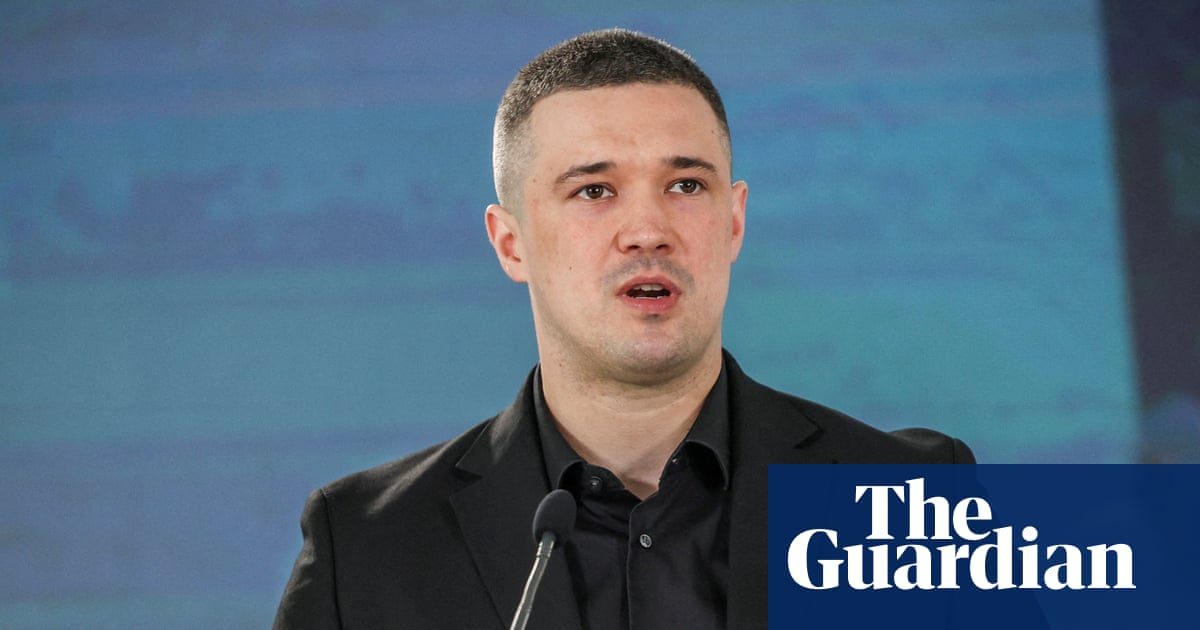
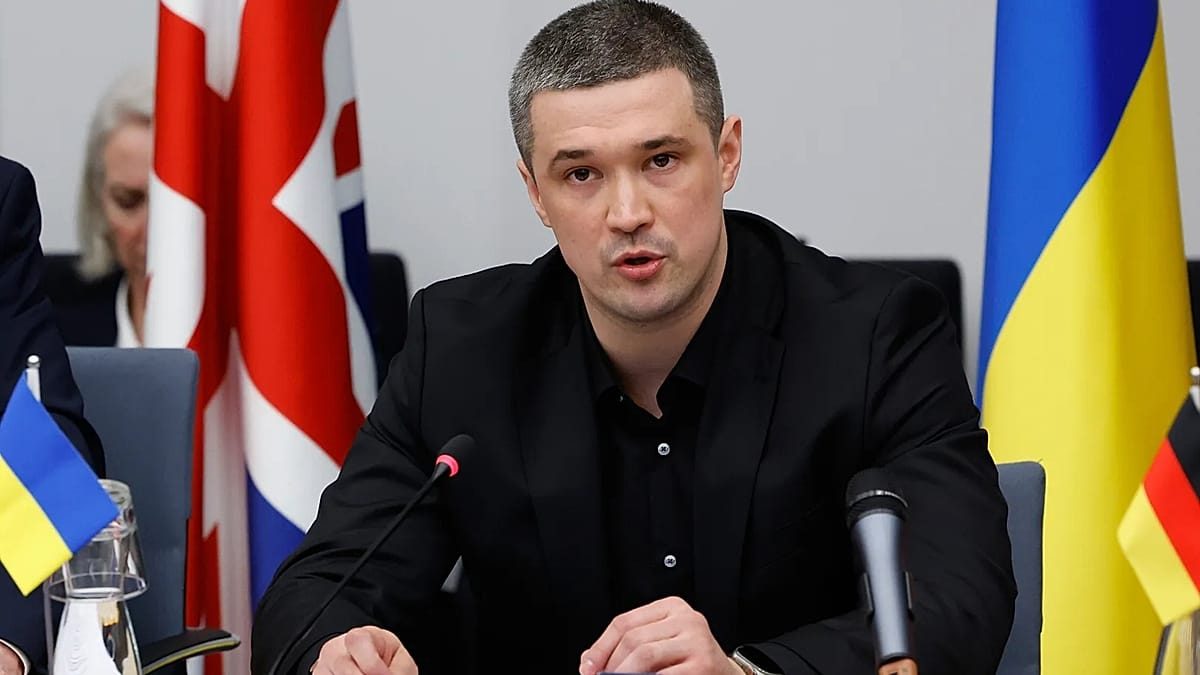
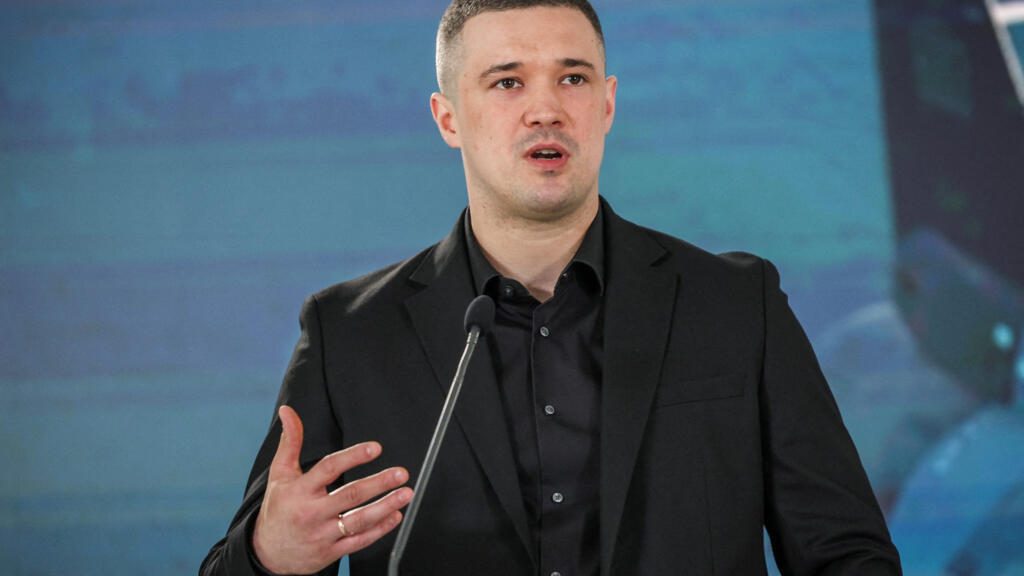
Mykhailo Fedorov announced his resignation as Ukraine's defence minister on Wednesday, confirming he is stepping down as part of a cabinet reshuffle by President Volodymyr Zelensky. "It was a great honour to serve the Ukrainian people as defence minister," he wrote on Telegram, using a lengthy post to list the achievements of his ministry since he took over in January.
The announcement came just a day after Ukraine's parliament approved the resignation of Yulia Svyrydenko as prime minister after a year in the post. The coordinated departures represent a major structural shake-up for Kyiv as it manages the ongoing economic and military pressures of Russia's full-scale invasion.
Appointed at the age of 35, Fedorov was the youngest defence minister in Ukraine's history, brought in to inject new energy into the country's war machine. He was one of the earliest advocates for the widespread use of drones, a shift that has turned unmanned systems into a defining feature of the front line and created new supply chain demands for European manufacturers.
Beyond the expansion of drone warfare capabilities, Fedorov's tenure included navigating complex commercial technology agreements. He cemented a deal with Elon Musk to obtain Starlink satellite connectivity for Ukrainian troops, while concurrently executing measures to cut Russian troops' access to the system. The stability of these satellite networks remains a critical factor for military communications.
Ukrainian media reports indicate that Interior Minister Igor Klymenko could be named as Fedorov's replacement. For European investors and defence companies, this transition requires close monitoring. A change in leadership at the defence ministry has the potential to alter the trajectory of the sweeping army reforms initiated earlier this year.
It also raises questions about the future pace of military procurement pipelines that have rapidly scaled up under Fedorov's direction. Any disruption to these established commercial relationships could have tangible effects on the European defence firms that have adapted to supply Kyiv's evolving battlefield requirements.