Wild deodorant backs £10m influencer marketing budget
Unilever-owned deodorant brand Wild is directing nearly £10m annually to social media influencers, highlighting a structural shift in European consumer advertising away from traditional media.
Wild, the British refillable deodorant company acquired by Unilever last year, is preparing to double its influencer marketing budget. The firm plans to increase the spend to almost £20m annually as it prioritizes social media creators over conventional advertising.
The company currently spends just under £10m a year on these partnerships and employs a dedicated team of more than 20 staff. Charlie Bowes-Lyon, the co-founder of Wild, described influencer marketing as his "secret sauce".
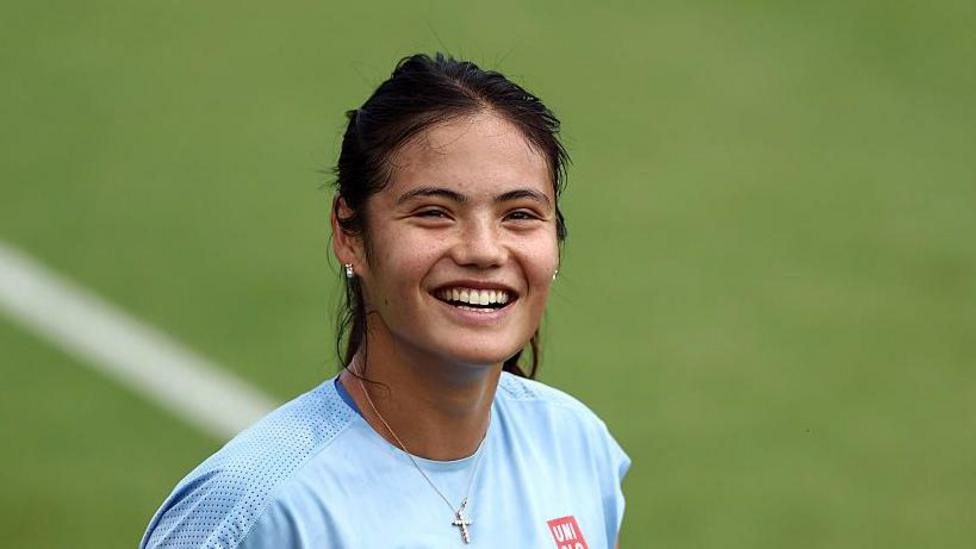
Securing top-tier celebrities requires significant capital, with campaigns ranging from £100,000 to millions of pounds. Wild has spent millions on a year-long partnership with British tennis player Emma Raducanu, including full-day shoots in New York and custom product development. The brand also pays hundreds of thousands for campaigns with television personalities Stacey Solomon and Molly-Mae Hague.
This spending underscores a broader economic shift in the consumer goods sector. Hannah Campbell, founder of One Twelve Agency, noted that younger audiences are no longer engaging with traditional media, making creator partnerships essential. "They have built audiences and communities that trust them, and the old adage 'people buy from people' is true," she said.
The scale of these operations has transformed influencers from solo creators into sophisticated media businesses. Katy Howell, a director at Rethink Social, pointed out that prominent creators now operate with "managers, agents, production teams, legal advice, licensing arrangements and several income streams." Individual post fees can reach £50,000.
However, this shift presents regulatory challenges. Recent research by the UK's Advertising Standards Authority found that only 54% of participants correctly identified an influencer advert, compared to 74% for conventional brand posts. Howell argued that the "#ad" label is "legally functional but informationally thin".
For brands, the return on investment relies heavily on perceived authenticity to avoid alienating savvy consumers. Bowes-Lyon noted that mismatched promotions fail because buyers "see through that". To maintain genuine appeal, Wild generated over 100 unique ad iterations for a single Solomon campaign. While targeted discount campaigns with figures like Hague cause immediate sales spikes, broader celebrity deals aim to build gradual, long-term retail awareness.