Yeti’s new LT enduro bike faces maneuverability challenges on European trails
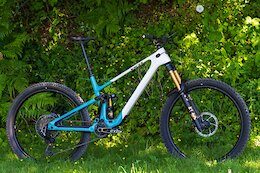
Early ride impressions of Yeti’s highly adjustable LT enduro bike suggest its focus on high-speed stability may limit its appeal on tight, technical European trails.
Yeti Cycles’ new LT mountain bike, billed as an enduro race model, is drawing attention for its extreme adjustability, though early testing indicates potential limitations for European riders. The bicycle prioritizes high-speed stability and long-travel performance over quick maneuverability, a design choice that could influence its market positioning.
Reviewers note that the bike’s geometry, including a 64-degree head angle and chainstays extending up to 475 millimeters in MX Slack mode, creates a massive wheelbase. This setup delivers exceptional stability on fast, straight sections but requires significant rider strength and pre-planning for tight corners. Testers on Enduro World Series stages in Whistler noted the bike demands constant attention to remain in control.
The design presents a notable contrast to competitors like the Santa Cruz Nomad, which testers describe as a highly maneuverable 170-millimeter bike that remains easy to handle at slower speeds. The LT’s steeper learning curve and preference for fast, wide arcs may hinder its reception in markets dominated by technical, switchback-heavy trails common across Europe.
Suspension testing revealed a mixed reception to the bike’s tuning options. While the 20 percent progression mode offered the best balance of small-bump absorption and big-hit support, the 25 percent setting reportedly consumed travel too quickly before catching the rider later in the stroke. Conversely, the bike’s rear suspension was praised for remaining impressively immune to rider weight shifts during climbs, avoiding excessive wallowing while maintaining traction.
Despite its impressive quietness on rough terrain, with only the electronic rear derailleur making noise, testers reported frequent contact between the derailleur and trail obstacles. This vulnerability, combined with its demanding ride characteristics, suggests the LT functions more effectively as a bike park smasher than a traditional enduro race bike.
For Yeti, this feedback highlights a potential mismatch between the LT’s race-bike billing and its actual on-trail behavior. Manufacturers targeting the European mountain bike market must carefully evaluate whether a design optimized for straight-line speed and massive wheelbases can succeed on the continent's tighter, more technical trail networks.