Precision Apps and Gels Replace Real Food at Tour de France
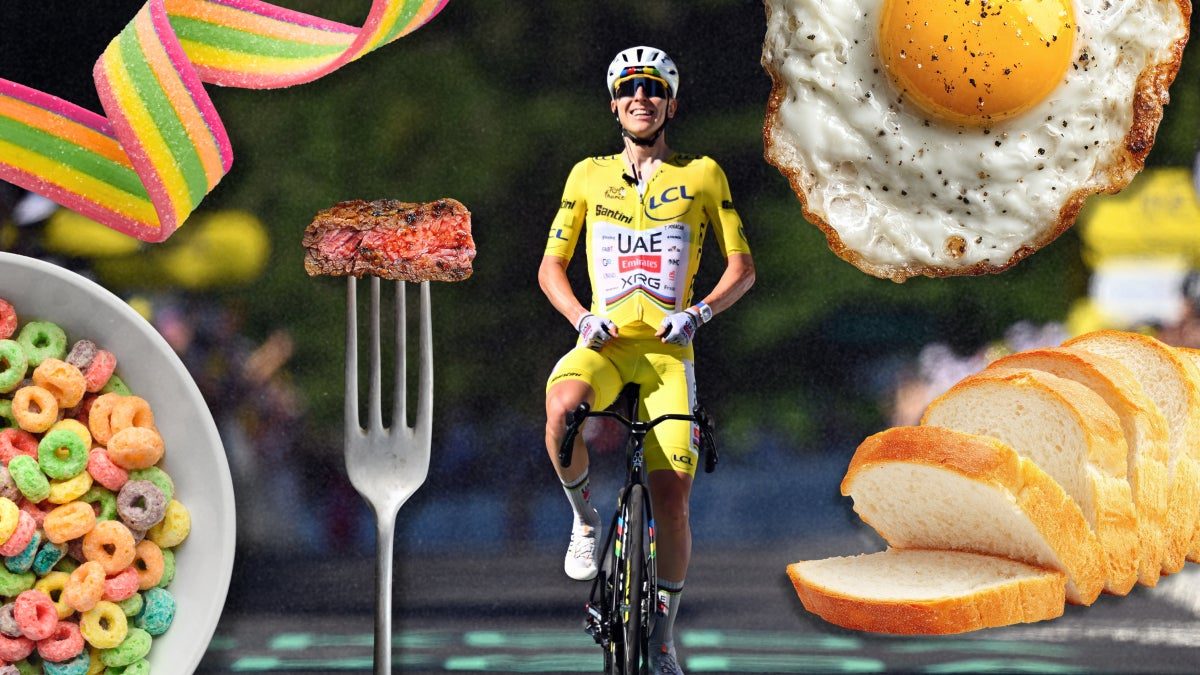
The Tour de France's shift to precision-calibrated, app-driven carbohydrate diets highlights how the sports nutrition industry has fundamentally replaced traditional food in professional cycling.
Riders at this year’s Tour de France are consuming up to 8,000 calories daily, but the fuel powering them has shifted dramatically from traditional meals to a high-tech ecosystem of precision-calibrated apps and specialized nutritional products.
This transformation carries significant implications for the sports nutrition sector. The "high-carb revolution" of the 2020s has effectively outlawed standard eating in professional cycling. Bespoke software now dictates exact daily macronutrient targets for every rider, turning elite fueling into a data-driven service that relies on specialized commercial products rather than whole foods.
The commercial displacement of "real food" is most obvious during the race itself. Rice cakes and wraps have been almost entirely exiled from the peloton. In their place, teams purchase vast quantities of gels, chews, and bottled drinks. On the hardest mountain stages, general classification contenders consume up to 150 grams of carbohydrates per hour. Tadej Pogačar is known to hit 130 grams per hour, the equivalent of 500 calories, or three to four gels, every 60 minutes.
Even on easier sprint stages, the minimum intake remains locked at 60 to 70 grams of carbohydrate per hour, ensuring a constant baseline demand for engineered sports fuels throughout the three-week race. The only traditional concession to flavor fatigue is a homemade take on a cereal-and-marshmallow Krispies Treat.
The morning logistics further highlight the industrialization of race feeding. For the hardest stages, nutritionists prescribe more than 4 grams of carbohydrate per kilo of bodyweight. For a rider of Pogačar’s size, that translates to roughly 1 kilo of cooked white rice eaten minutes after getting out of bed. White rice has become the preferred energy source of the modern peloton because it is low in fat and hits the gastrointestinal system fast, relegating pasta mostly to Italian purists.
The post-stage economy is equally structured. Muscle glycogen replenishment starts immediately at the finish line with fast-acting, commercially available sugars like Coke and Haribos, alongside cherry juice for its antioxidant properties. Protein, essential for the three-week cycle of muscular repair, is delayed until the bus ride home, portioned precisely based on the day's workload and the next day's demands.
Because travel, massage, and hotel check-ins delay dinner until 9 P.M. or later, teams must operate mobile catering infrastructures. Staffers convert spare hotel bedrooms into dedicated snack rooms stocked with cereals, bars, and bread. Dinner itself is a rotating, multi-course buffet cooked by team chefs in hotel kitchens or food trucks, where even fiber intake is algorithmically managed, cut before mountain stages to keep riders light and bloat-free ahead of gruesome 6.5 w/kg climbs.