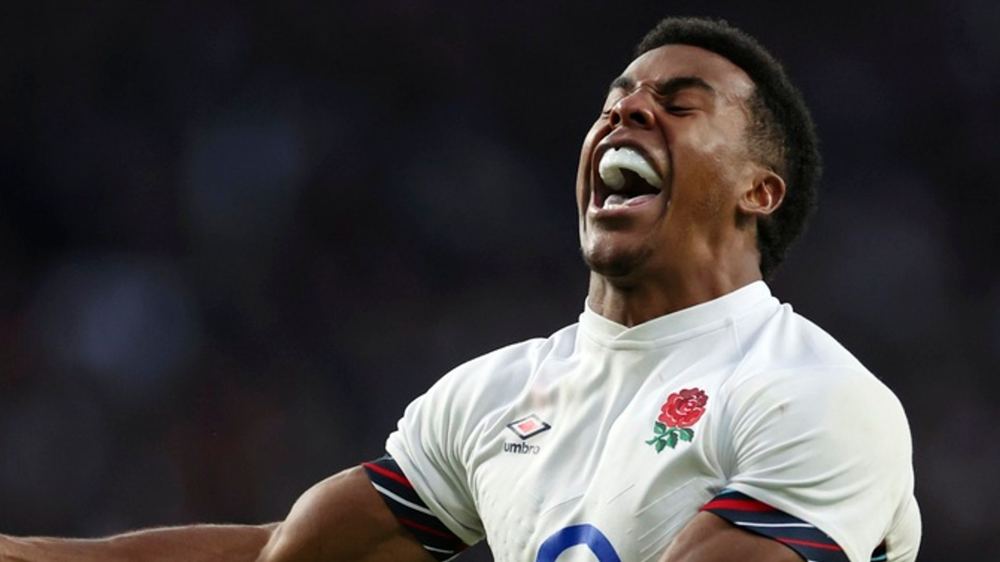
World Cup semi-finals expose Premier League's attacking talent drain

The English top flight is the most represented league at the tournament's business end, but its influence is heavily skewed towards defence rather than the forwards deciding matches.
The Premier League is the most represented domestic competition among the World Cup semi-finalists, supplying 41 players across the final four squads. La Liga is the next most represented league with 29 players, but the English top flight holds a distinct edge. However, a stark positional divide has emerged, with the league's influence heavily concentrated in defence rather than attack.
England's entire starting defence against Norway played in the Premier League last season, accounting for nearly 95% of the team's defensive minutes at the tournament. The trend extends to England's rivals, as Argentina, Spain and France all rely on Premier League defenders for roughly 45% of their defensive minutes. Stars like Cristian Romero, William Saliba and Marc Cucurella have anchored the final four backlines.
In attack, the picture reverses entirely. France's quarter-final victory over Morocco featured a front three based in France and Spain, with Premier League representation limited to late cameos from Rayan Cherki and Jean-Philippe Mateta. Argentina started a front two of Julian Alvarez and Lionel Messi against Switzerland, leaving their Premier League representation to midfielders like Alexis Mac Allister and Enzo Fernandez.
The goal statistics reinforce this split. England's 13 goals at the tournament have all come from players based abroad, a point highlighted by BBC presenter Mark Chapman, who noted the team lacks "a player who's scored in this tournament and who's played in the Premier League this season". France's 16 goals have also come without any Premier League input.
This dynamic has sparked debate about the physical demands of the English game. Journalist Rory Smith suggested on BBC Radio 5 Live that players based abroad may benefit from avoiding the Premier League's weekly "grind", even as Europe's elite clubs view the league as the "gold standard". Former striker Chris Sutton countered that there is "no clear way" to measure whether these physical demands are a genuine disadvantage.
Across the entire tournament, Premier League players still lead all leagues with 127 combined goals and assists. Yet as the World Cup reaches its climax, the structural reality of the English top flight is clear to observers across Europe. It continues to develop top-tier defensive talent, but the continent's most coveted attackers are increasingly gravitating towards other markets.