UK and EU sign Gibraltar treaty to cut border friction with Spain
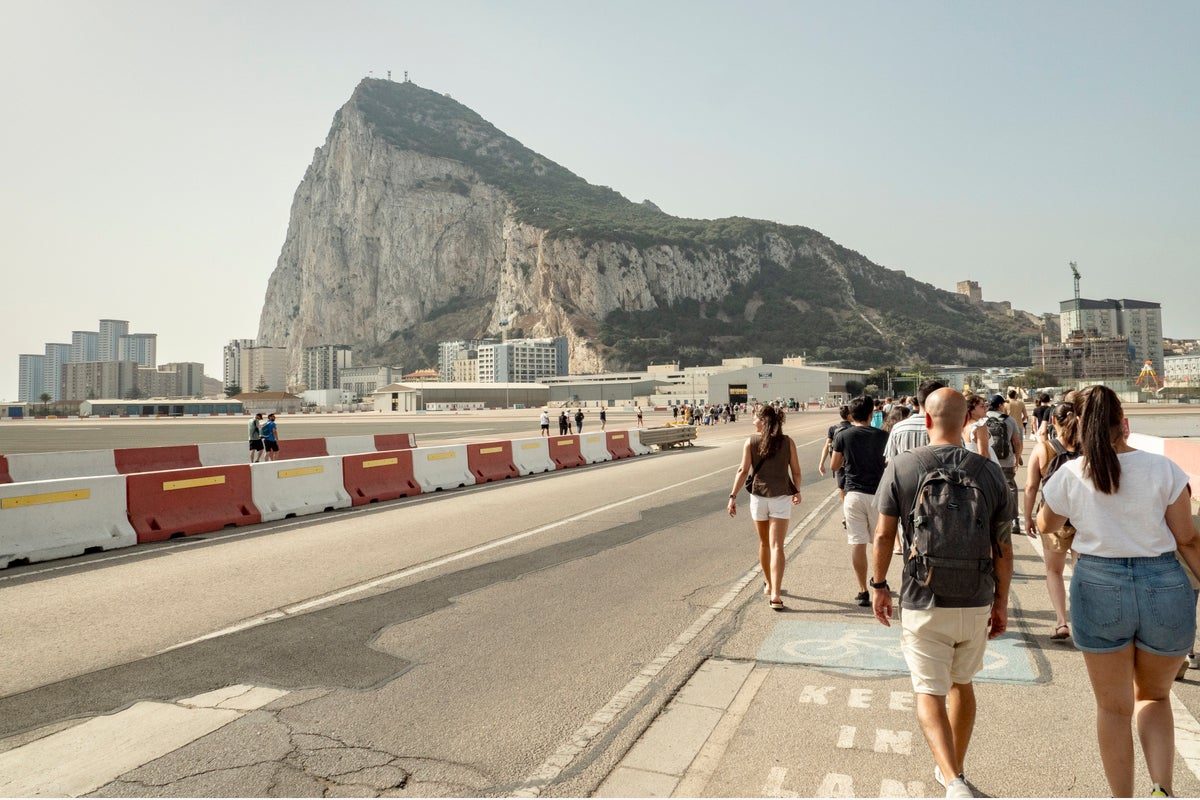
A new UK-EU treaty takes effect on Wednesday to end years of post-Brexit border uncertainty for the 15,000 people crossing daily between Gibraltar and Spain, removing a major hurdle for the local economy.
The UK and the EU have formally signed a treaty in Brussels to overhaul border arrangements at Gibraltar, bringing provisional measures into effect on Wednesday.
The agreement is designed to end the burdensome checks that have delayed the roughly 15,000 people who cross the frontier every day. By reducing this daily friction, the deal aims to support regional jobs and economic growth on both sides of the border.
For European businesses and investors operating in the area, the treaty resolves years of regulatory limbo that began when Gibraltar was excluded from the UK-EU Trade and Cooperation Agreement following Brexit. “Our support for Gibraltar remains as solid as the Rock,” said Stephen Doughty, Minister for the Overseas Territories. “This agreement opens a new chapter with the EU and Spain, supporting jobs, growth and prosperity on both sides of the border.”
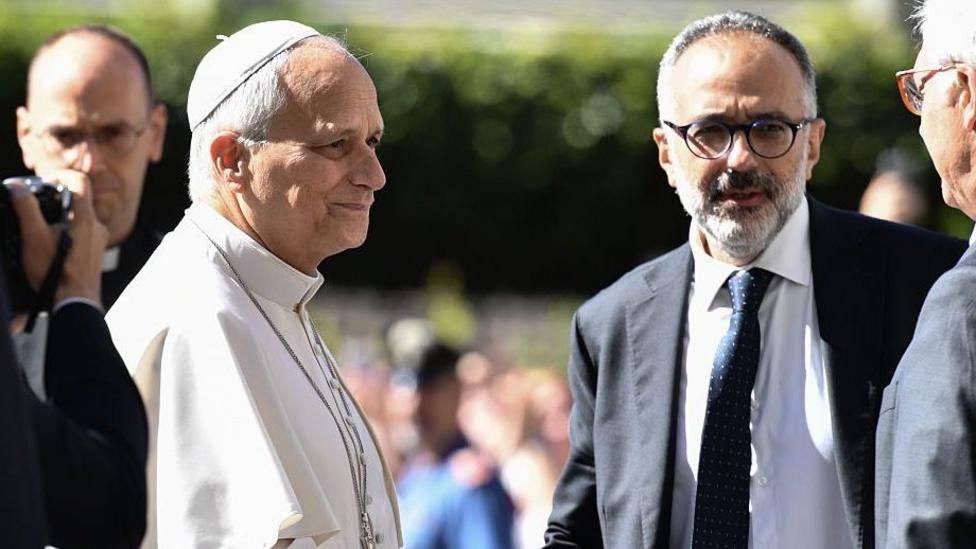
The signing ceremony brought together Doughty, Gibraltar Chief Minister Fabian Picardo, EU Commissioner Maros Sefcovic, and Spanish Foreign Minister Jose Manuel Albares. Sefcovic described the culmination of four years of “patient, complex negotiation” as a “truly historic moment.” “It is a very special feeling to see a fence come down,” he said.
While the treaty eases local commuter delays, UK visitors flying into Gibraltar airport will now face a dual-check system. Travellers must first pass existing Gibraltar Borders & Coastguard Agency checks, followed by a stricter Spanish frontier inspection.
Under the new rules, British arrivals will be subject to the EU's entry-exit system (EES). First-time crossers into the Schengen area must register both fingerprints and facial biometrics, with only a facial scan required on subsequent crossings. The EES process must be completed again upon departure.
The Foreign Office stressed the accord safeguards British sovereignty and protects vital military operations. Gibraltar, ceded to Britain under the Treaty of Utrecht in 1713, hosts a strategically significant RAF airfield and naval facility. Its population overwhelmingly rejected shared sovereignty with Spain in a 2002 referendum, where 99 per cent voted against the proposal.