UK Conservatives purge net zero and ECHR supporters
The UK Conservative Party has banned candidates who support net zero targets or the European Court of Human Rights, signalling a deeper rupture with standard European policy norms.
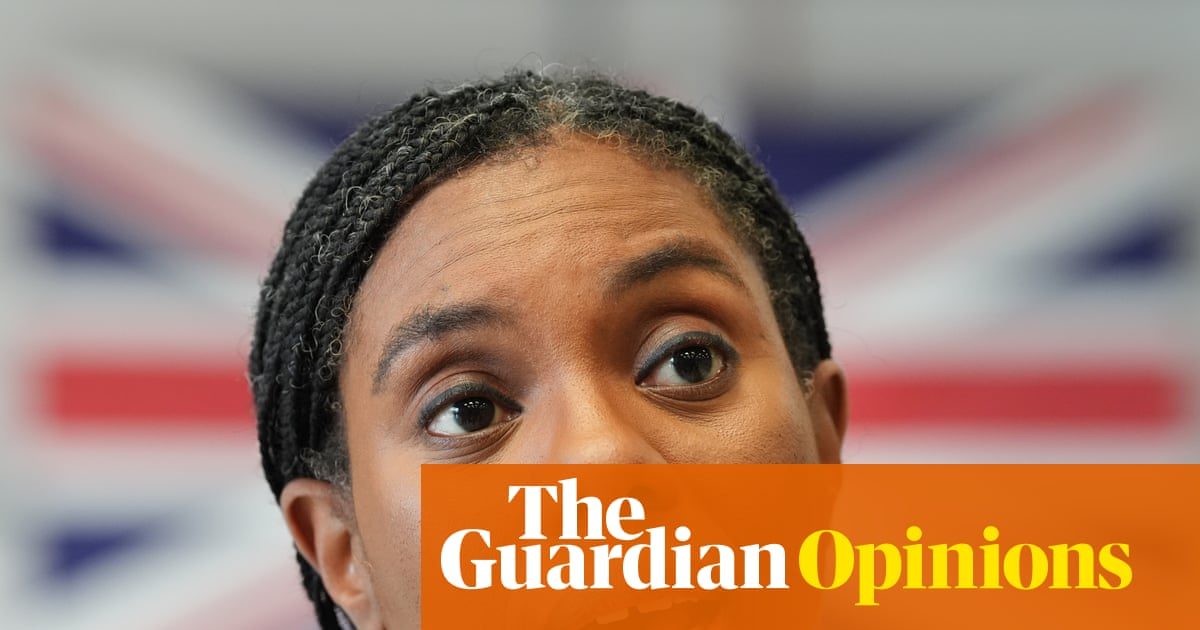
UK Conservative leader Kemi Badenoch has formally barred anyone who supports the country’s 2050 net zero targets or its membership in the European Court of Human Rights from standing as a party candidate. The move effectively marks out pro-climate and pro-international law Conservatives as political enemies within their own ranks.
The new policy has already claimed its first casualty. Gavin Barwell, a former chief of staff to Theresa May who now sits in the House of Lords, had the Conservative whip removed on Tuesday.
For European businesses and investors, this ideological purge removes any lingering expectation that a future Conservative government would align with the EU on climate regulation or human rights frameworks. It signals a shift toward an explicitly competitive fossil fuel strategy, driven by Badenoch's stated view that the UK should not curb emissions if other countries continue to burn fossil fuels.
The clampdown extends beyond prospective candidates. Sitting MPs who support net zero or the ECHR are reportedly on a watch list, leading many to keep a low profile to avoid being purged. Even Claire Coutinho, the current shadow energy and net zero secretary, previously held standard views on climate targets before undergoing what has been described as a rapid re-education programme to re-enter the shadow cabinet.
This hardline shift comes as the Conservative Party polls at roughly 19%. Rather than attempting to broaden its electoral appeal, Badenoch is enforcing strict ideological purity. She has also ruled out welcoming back defectors to the rival Reform UK party, including former MP Robert Jenrick.
Reform UK, meanwhile, has been dealing with its own controversies. Party figures Richard Tice and Robert Jenrick recently used the murder of Ann Widdecombe to deflect questions about a £5m windfall received by leader Nigel Farage. Farage has claimed the funds were for his security, demanding a greater level of protection than the King, despite being offered the same level of protection as the leader of the opposition.
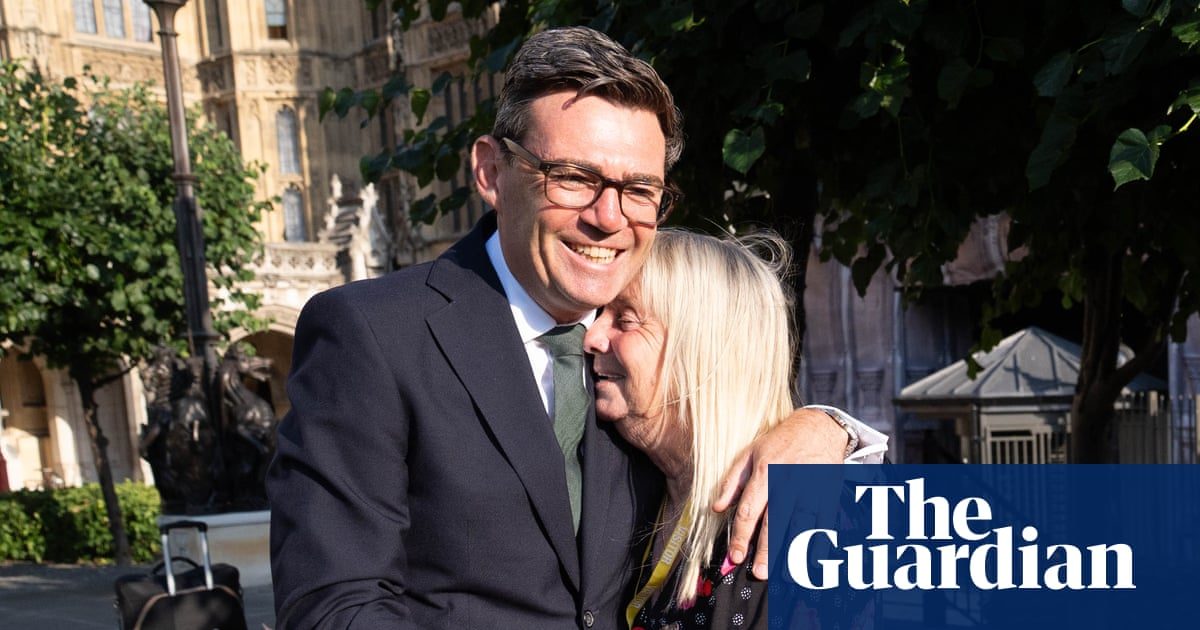
While the opposition fractures over climate and legal norms, Prime Minister Keir Starmer has focused on domestic politics. He drew criticism by telling Scotland and Wales to support England in the World Cup. Starmer also faced pushback after attempting to take credit for the Hillsborough law alongside Greater Manchester mayor Andy Burnham, having previously tried to amend it.