UK parliament reports record threats against MPs, curbing democracy
A sharp rise in death threats and violent abuse against British lawmakers is forcing them to retreat from public life, sounding an alarm for democratic participation across Europe.
British MPs are facing an unprecedented wave of death threats and physical intimidation, prompting counter-terrorism police to take over the investigation into the death of Ann Widdecombe this week. Reported offences against parliamentarians jumped from 364 in 2019 to 976 in 2025, including 50 direct death threats this year.
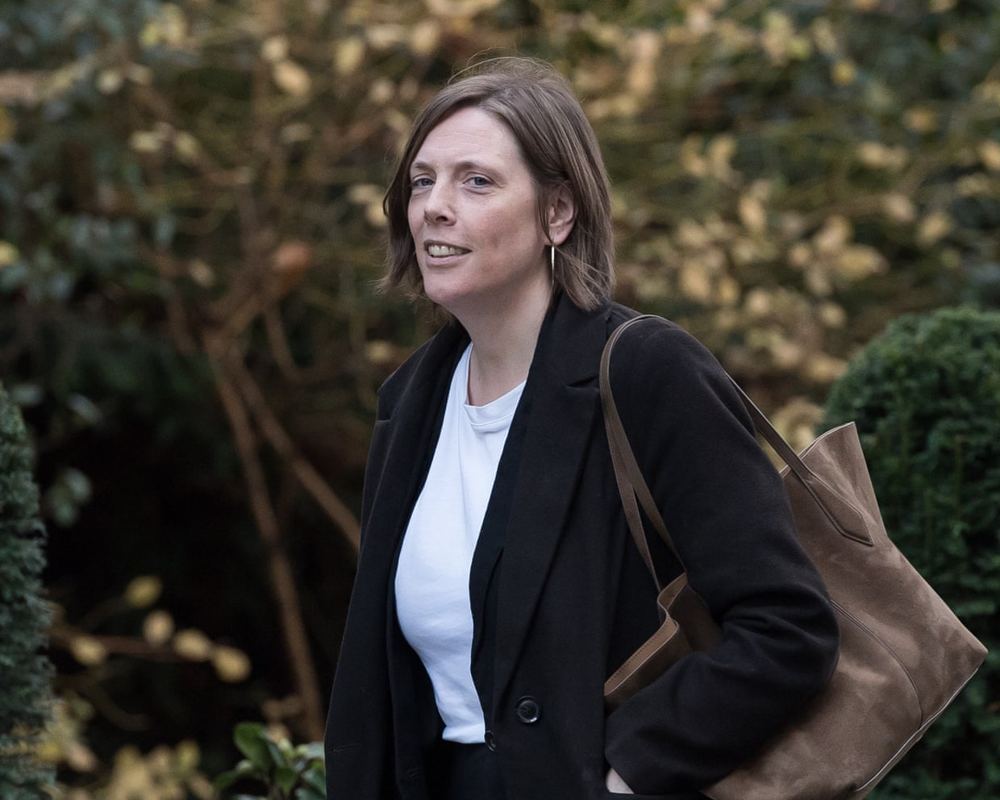
The statistics reflect a grim daily reality for lawmakers. Jess Phillips, a Labour MP, once received over 600 rape threats in a single night and had a man force his way into her office in 2019. Nigel Farage receives more than 300 threats a month, with his party logging 1,577 incidents against him since February.
For European democracies already grappling with political polarization, the UK experience serves as a stark warning. The toxicity is deterring potential candidates from entering politics, particularly women and minorities who are disproportionately targeted. Treasury chief secretary Lucy Rigby admitted the threats had “made her think twice” about standing for parliament.
The danger is forcing a fundamental change in how British politicians interact with the public. One MP said he now avoids pubs after being aggressively cornered over the Gaza conflict. Alex Davies-Jones noted that the weekly harassment means lawmakers are “constantly on alert and always looking out for danger.” Bernard Jenkin told the Commons that MPs are now “more likely to meet a violent death than a member of His Majesty’s armed forces or a member of the British police forces.”
A lethal trajectory
The anxiety is grounded in recent history. The deaths of Jo Cox in 2016 and David Amess in 2021, killed by a far-right extremist and an Islamic State sympathiser respectively, underline that these risks are lethal. Phillips received a picture of Cox from a white supremacist in 2019 alongside a promise that she would be “dealt with.”
Westminster has reacted by tightening physical security. Armed police now patrol the estate, and many MPs have installed panic buttons, bomb-proof letterboxes, and toughened glass. Former security minister Dan Jarvis recently announced a new national democracy protection unit to support local police forces, noting the “unprecedented” tempo of threats.
However, lawmakers argue that physical barriers cannot address the root cause. Phillips pointed to social media algorithms that feed users “a load of untrue stuff online.” She warned that without a serious reckoning with online radicalization and the rhetoric of politicians themselves, the safety of elected representatives will remain deeply compromised.