Widdecombe killing prompts incoming PM Burnham to demand security review
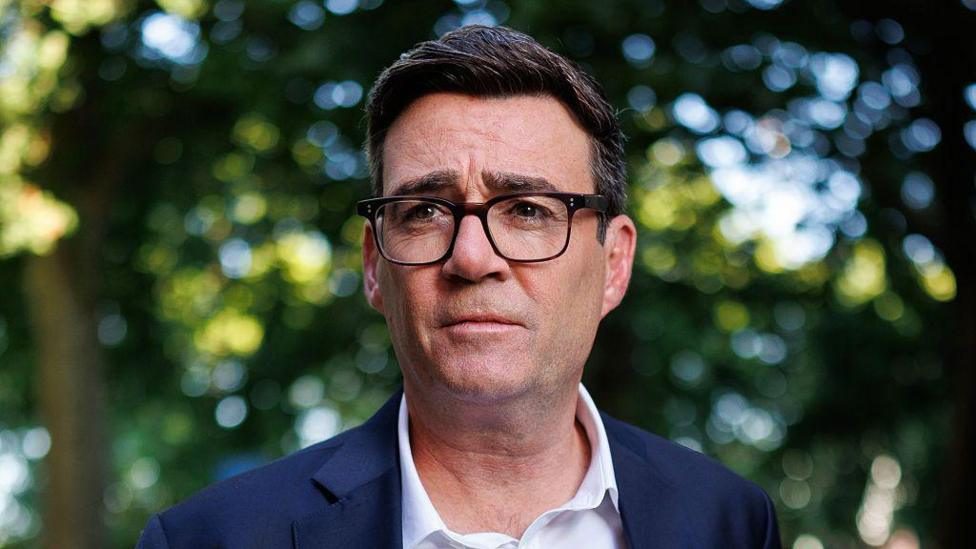
The killing of Ann Widdecombe has pushed the UK's incoming prime minister, Andy Burnham, to demand an urgent review of politician safety, highlighting a deepening toxicity in British public life.
Ann Widdecombe, a Reform UK spokeswoman and former Conservative minister, was found dead at her home in Haytor, Devon, on Thursday. Counter-terrorism police are now investigating the killing after a 28-year-old man from Rotherham was re-arrested on Monday on suspicion of terrorism offences.
Andy Burnham, the former Greater Manchester mayor who is expected to become prime minister next Monday, called for a serious review of MPs' security. He noted that politics had "darkened" during his decade away from Westminster and warned that current protections might still be insufficient.
The attack underscores a worsening climate of hostility toward British politicians, with direct implications for the stability of the country's public institutions. For European observers, the intensity of this polarization represents a concerning shift, coming after the murders of MPs Jo Cox in 2016 and Sir David Amess in 2021.
Burnham pointed to the online environment as a key driver of this physical danger. "It's easy to blame social media, but it feels like it's having some impact in just building that kind of toxicity that's around the political debate," he said. "I knew Ann over many years in the House - we got along and everybody got along, but it feels like something has changed."
The killing has also sparked a fierce political dispute over who bears responsibility for protecting politicians. Robert Jenrick of Reform UK accused the government of a "dereliction of duty" regarding the security of party leader Nigel Farage, claiming it had been downgraded. The Home Office stated these claims were "categorically untrue", noting that Reform had actually turned down an offer of taxpayer-funded security for Farage last year.
A costly protection apparatus
Decisions on MP safety are made independently by the House of Parliament's security team, while high-profile candidates fall under the Royal and VIP Executive Committee. The Conservative government allocated a £31m package to increase MP security in May 2024, following a 2022 review that moved away from standardized measures toward tailored advice. However, Widdecombe's death suggests these substantial investments may require further expansion as political discourse grows more volatile.