England to turn empty classrooms into community hubs amid pupil decline
The UK government is funding a £3.1m pilot to convert vacant school space into public facilities, offering a test case for how nations might adapt public infrastructure to falling birth rates.
England is launching a pilot scheme to turn empty classrooms into youth clubs, health centres, and family hubs. Six local authorities will share £3.1m from the Department for Education to fund initial conversion plans, with the first repurposed facilities expected to open next year.
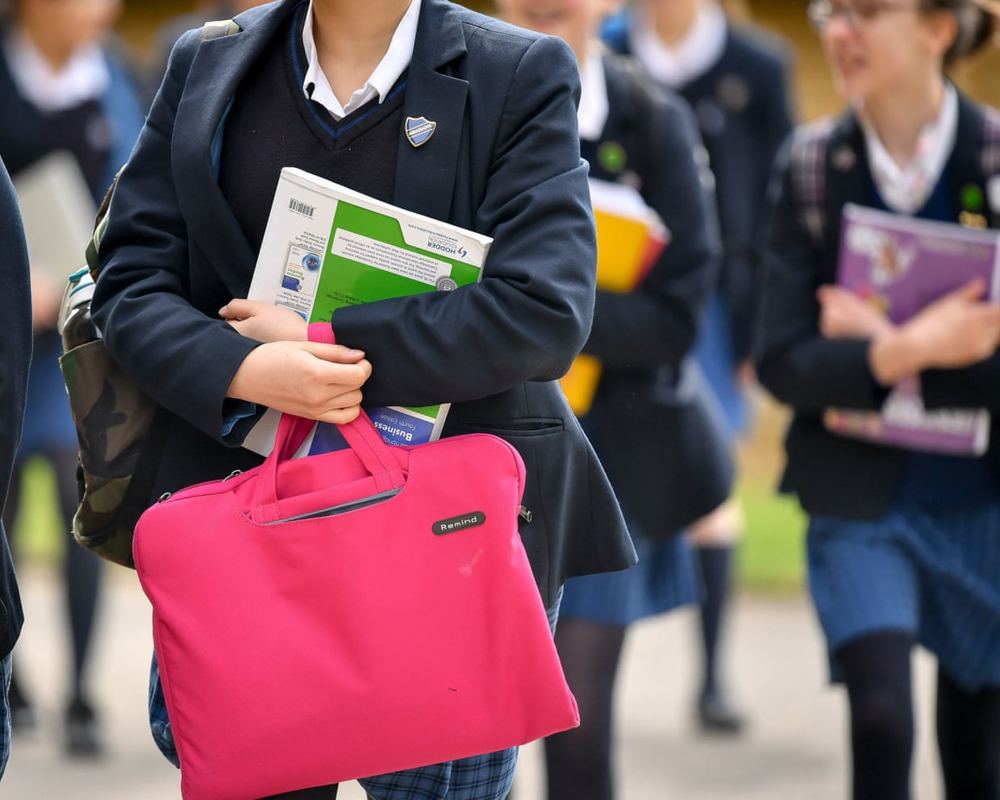
The programme is a direct response to a sharp, long-term decline in the number of children. Primary school rolls have dropped by 85,000 since 2019 and are projected to fall by another 205,000 by 2028, according to the National Foundation for Education Research. Over the next decade, the under-16 population in England is expected to contract by 6%.
This shrinking demographic threatens to strand vast amounts of public infrastructure. Forecasts suggest 800 primary schools could shut by 2029-30, creating a financial headache for local authorities that must maintain underused buildings. Officials are keen to prevent councils from selling off these properties, a move that would leave communities vulnerable to school shortages if birth rates eventually rebound.
Birmingham, Nottingham, Lincolnshire, West Sussex, and the London boroughs of Croydon and Lambeth will lead the initial phase. These areas were chosen because they combine a high surplus of school places with a lack of community facilities. London has been the hardest-hit region, while rural and coastal areas like Lincolnshire also face sustained drops in demand.
Josh MacAlister, the minister for children and families, said the government wants to give "a new lease of life to empty classrooms" as birthrates fall. The Department for Education said the selected councils will test different approaches to "making the best use of surplus school space where it can have the biggest impact." A spokesperson for the Local Government Association added that councils would work with residents to ensure the spaces benefit communities.
The initiative follows criticism from the National Audit Office, which recently warned the government had "no clear approach" to managing the drop in pupil numbers. Beyond community hubs, the department is also pushing schools to use spare capacity for nurseries and special educational needs facilities. The pilot's results will shape broader government proposals due later this year.